

A Fresh Flavour for Festive Feasting
Janmashtami, the celebration of Lord Krishna's birth, is a festival steeped in joy, prayer, and, of course, food. The customary 'bhog' or offering often includes a delightful array of sweets and savoury dishes. While classics like Panjiri, Kheer, and various
laddoos are central to the celebration, a health-conscious wave is sweeping through modern Indian kitchens. This movement isn't about restriction; it's about reinterpretation. Spearheaded by a vibrant generation of young food bloggers, home chefs, and community cooking enthusiasts, the focus is on creating festive treats that are both indulgent and mindful of well-being. This innovative approach ensures that everyone, including those managing their health, can partake in the festive feast without worry.
The Youth Cooking Vanguard
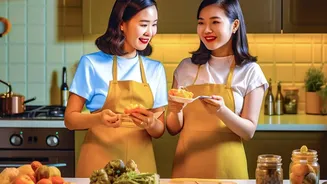
The driving force behind this delicious revolution is a network of young culinary creators. These digital-age chefs and home cooks are using social media platforms and local workshops to share their modern takes on age-old recipes. They are not formally organised groups but a widespread cultural movement of individuals passionate about food, health, and heritage. They demonstrate how to bake instead of deep-fry, how to incorporate nutrient-dense ingredients, and how to achieve delightful sweetness without relying on empty-calorie refined sugar. This new guard of food influencers is proving that traditional Indian cooking can evolve while retaining its soul, making it accessible and appealing to a new generation concerned with wellness.
Sweet Swaps and Clever Techniques
The secret to these healthier creations lies in smart ingredient swaps. Refined white sugar is being replaced by a host of natural sweeteners that offer more than just sweetness. Jaggery (gud), with its deep, caramel-like flavour and iron content, is a popular choice for traditional sweets like laddoos and panjiri. Dates, rich in fibre and natural sugars, can be blended into a paste to sweeten everything from kheer to energy bites. Other alternatives gaining traction include figs (anjeer), coconut sugar, and stevia for those seeking lower glycemic options. The innovation extends to cooking methods as well. For instance, a traditionally deep-fried gujiya can be baked to a perfect golden crisp, significantly reducing its oil content without sacrificing texture.
Reimagining Classic Prasadam
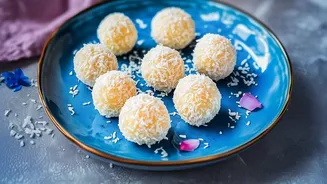
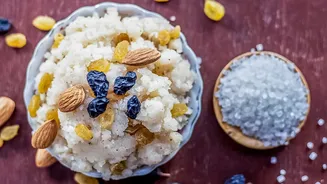
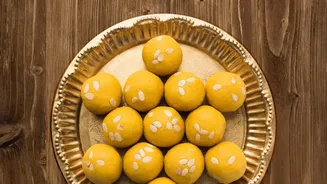
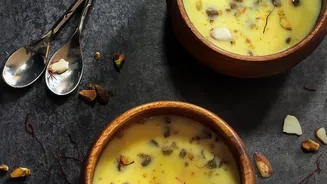
This new approach is transforming beloved Janmashtami prasad items. The classic Panjiri, for instance, can be made with jaggery and packed with roasted makhana (fox nuts) and seeds for extra nutrition. Laddoos are being reimagined with ingredients like oats, dry fruits, and nuts, held together with date paste instead of sugar syrup. Kheer can be prepared with almond milk and sweetened with fruit purees or a touch of coconut sugar. Even savoury items are getting a makeover, with recipes for baked mathri and quinoa murukku offering a healthier crunch. These modern renditions are not just about cutting calories; they are a creative exploration of flavour and a celebration of wholesome ingredients.
More Than Just a Health Trend
This shift towards low-sugar festive food is rooted in a broader cultural change. It reflects a growing awareness of wellness and a desire to make festivals more inclusive for all family members, especially elders and those with health conditions like diabetes. It's also a testament to the creativity of a generation that is deeply connected to its roots but not afraid to innovate. By making these small but significant changes, young cooks are ensuring that the culinary traditions of Janmashtami continue to thrive, adapting to the needs and values of the present day. They are preserving the spirit of the festival while adding their own chapter to its rich culinary history.