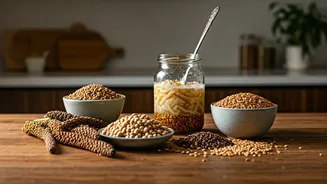




The Ancient Grains' Modern Revival
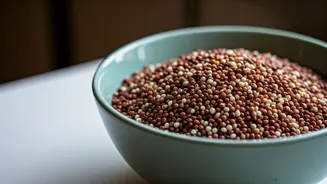
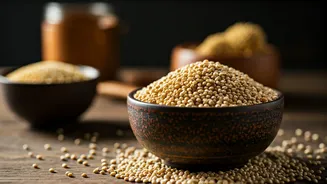
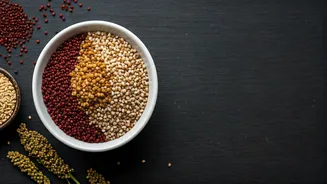
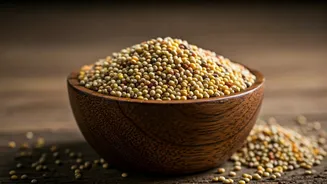
Not long ago, millets like jowar, bajra, and ragi were sidelined, often viewed as 'poor man's grain' as wheat and polished rice dominated our plates. [17, 26, 28] This shift, which began during the Green Revolution, saw a decline in both the cultivation
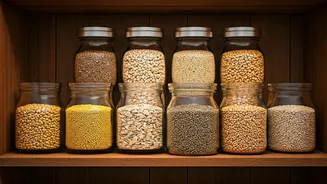
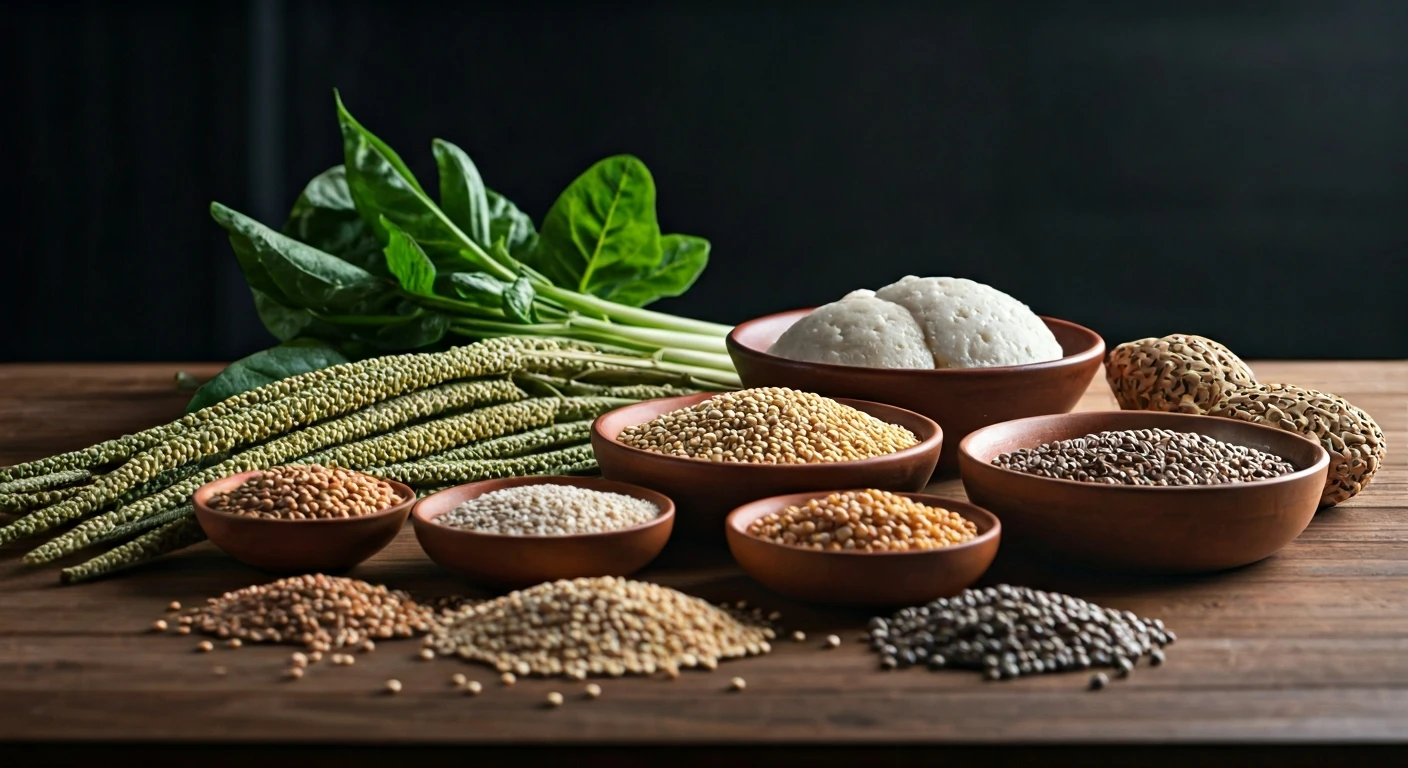
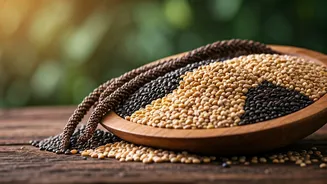
and consumption of these hardy cereals. [17] However, a powerful shift is underway. Driven by a renewed focus on nutrition and sustainability, millets are reclaiming their rightful place. The Indian government's push, including initiatives like the 'International Year of Millets' in 2023, has significantly boosted awareness about their benefits. [7, 11, 13] Unlike water-intensive rice and wheat, millets are climate-resilient, requiring less water and thriving in arid conditions, making them a smart crop for the future. [6, 10, 16] Nutritionally, they are powerhouses—gluten-free, high in fibre, and packed with essential minerals like iron and calcium. [6, 25] This profile makes them ideal for managing modern lifestyle issues like diabetes and promoting better digestive health. [6, 23]
Trust Your Gut: The Fermentation Story
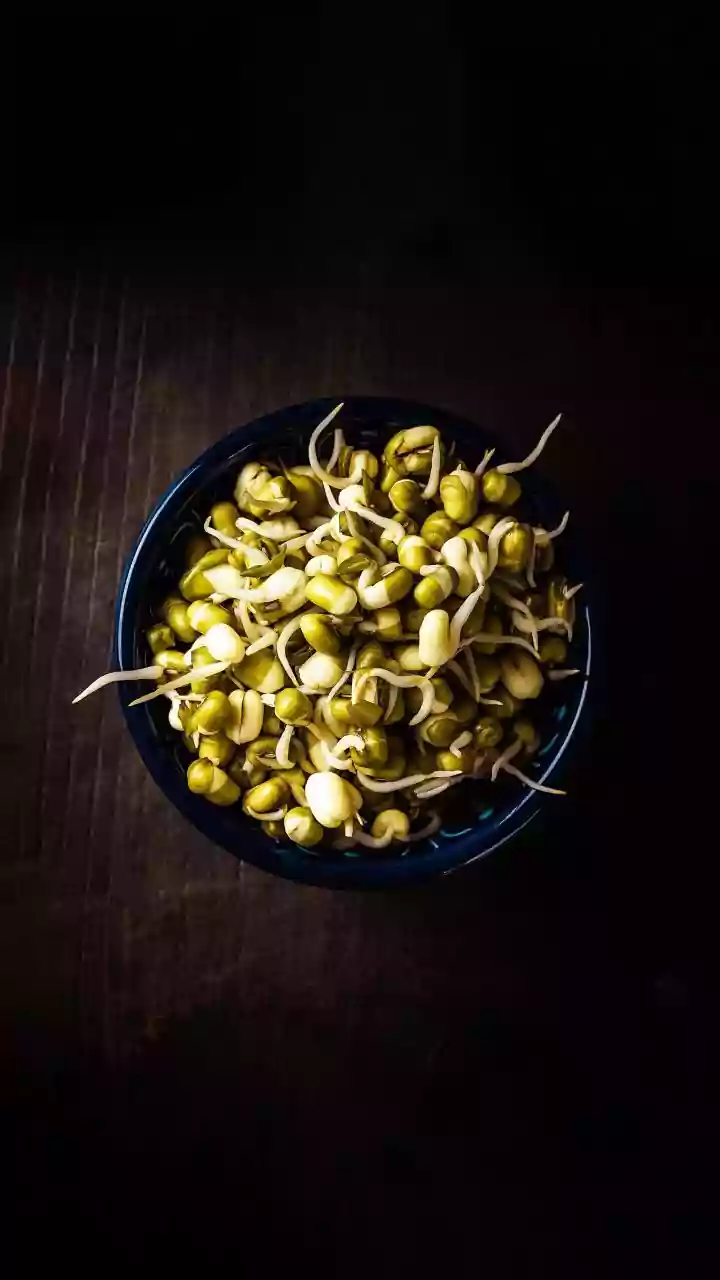
Parallel to the millet revival is the booming interest in fermented foods. While items like kombucha and kefir might seem like modern trends, Indian food culture is deeply rooted in fermentation. [5, 9] From the fluffy idli and dosa of the south to the humble dahi (curd) and tangy pickles found in every household, fermentation has been used for centuries not just for preservation but to enhance nutritional value. [2, 3] The process works by using beneficial microorganisms like bacteria and yeast to break down sugars and starches. [2, 9] This pre-digestion makes foods easier on the stomach and unlocks nutrients, increasing the bioavailability of vitamins and minerals. [5, 15] More importantly, these foods are rich in probiotics—live beneficial bacteria that support a healthy gut microbiome. A balanced gut is linked to improved digestion, stronger immunity, and even better mental well-being through the gut-brain axis. [5, 8, 15]
A Plate for the Planet
The return to millets and ferments is not just about personal health; it's a move towards a more sustainable way of eating. Millets are considered climate-smart crops that are naturally hardy and pest-resistant, reducing the need for chemical fertilizers and pesticides. [10, 11] Their low water requirement places less strain on our dwindling water resources, offering a viable solution for food security in a changing climate. [16, 21] Fermentation, too, is a sustainable practice at its core. It's a natural method of food preservation that reduces spoilage and food waste without relying on artificial preservatives or energy-intensive refrigeration. By embracing these traditional practices, we are choosing food systems that are kinder to our planet.
The New Culinary Wave
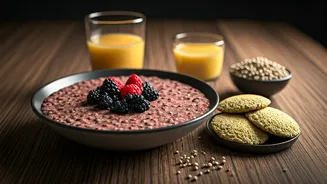
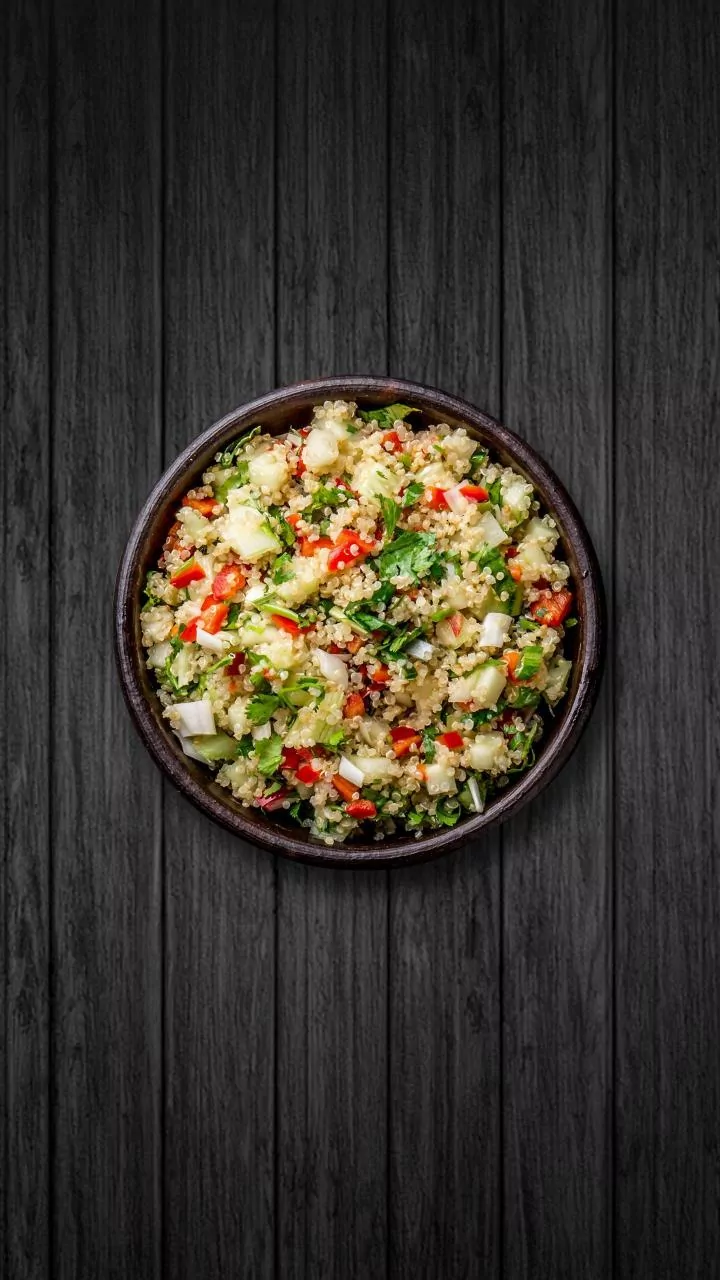
What makes this comeback truly exciting is how these traditional ingredients are being reimagined for the modern palate. Chefs and home cooks are moving beyond basic porridge and rotis. Today's menus feature everything from millet-based pastas, risottos, and crisp dosas to fluffy idlis made from foxtail or barnyard millets. [27, 29] Fermentation is also getting a creative makeover. You can find ragi ambli, a fermented millet drink, being hailed as a natural probiotic cooler, and gut-friendly bowls inspired by curd rice with a modern twist. [5, 22, 27] This culinary creativity proves that eating healthy and sustainably doesn't mean sacrificing flavour. It's about rediscovering the versatility of ingredients that have been part of our heritage all along.