






Ginger
A staple in Indian kitchens, ginger is a monsoon powerhouse. Its anti-inflammatory and antibacterial properties make it excellent for soothing sore throats and preventing colds, which are common during this season. Adding ginger to your daily tea or meals
can also aid digestion, which tends to be sluggish in the humid weather. Ayurvedic tradition values it for keeping the body warm and balanced.
Turmeric
Known as the golden spice, turmeric is celebrated for its potent compound, curcumin. This gives it powerful anti-inflammatory, antiviral, and antibacterial qualities, making it a crucial ingredient for boosting immunity during the rainy season. A pinch in your milk, curries, or soups helps fortify your body's defenses against seasonal infections.
Garlic
Garlic contains a compound called allicin, which has powerful antibacterial and antiviral properties. Incorporating garlic into your daily cooking, such as in dals, soups, and vegetable dishes, can help strengthen your immune system to fight off monsoon-related illnesses like the flu and common cold.
Jamun (Indian Blackberry)
This deep-purple seasonal fruit is a monsoon favourite for good reason. Jamun is low in calories but rich in nutrients like Vitamin C, iron, and potassium. Its antioxidant properties help protect the body, and its high fibre content aids digestion, which can be a concern during the rains. It is particularly celebrated for helping manage blood sugar levels.
Pears (Nashpati)
Crisp and juicy, pears are an excellent monsoon fruit. They are packed with fiber, which promotes good gut health and prevents constipation. Pears are also a great source of immunity-boosting Vitamin C and antioxidants. With their high water content, they also contribute to keeping you hydrated during humid days.
Corn (Bhutta)
No monsoon is complete without the classic roasted corn on the cob. More than just a nostalgic snack, corn is rich in fiber and antioxidants. It provides essential nutrients and is a healthier alternative to the deep-fried snacks many crave during rainy weather. It's a filling and satisfying way to enjoy the season's flavours.
Bitter Gourd (Karela)
While its taste can be divisive, the health benefits of bitter gourd are undeniable. It is known to be an immunomodulator, helping to strengthen the body's immune response. It is also excellent for digestive health and is traditionally consumed during the monsoon to help prevent infections and keep the gut healthy.
Bottle Gourd (Lauki)
Extremely easy to digest and rich in water, bottle gourd is an ideal vegetable for the monsoon. It has a cooling effect on the body and its high fiber content aids in digestion. It can be cooked in various ways, from simple curries to soups, making it a versatile and gentle option for your stomach during a season when digestion can be weak.
Amla (Indian Gooseberry)
Amla is one of the richest natural sources of Vitamin C, a vital nutrient for a strong immune system. According to some sources, it contains 20 times more Vitamin C than an orange. Consuming amla, either raw, juiced, or as a powder, can significantly protect you from the coughs and colds prevalent during the monsoon.
Moong Dal
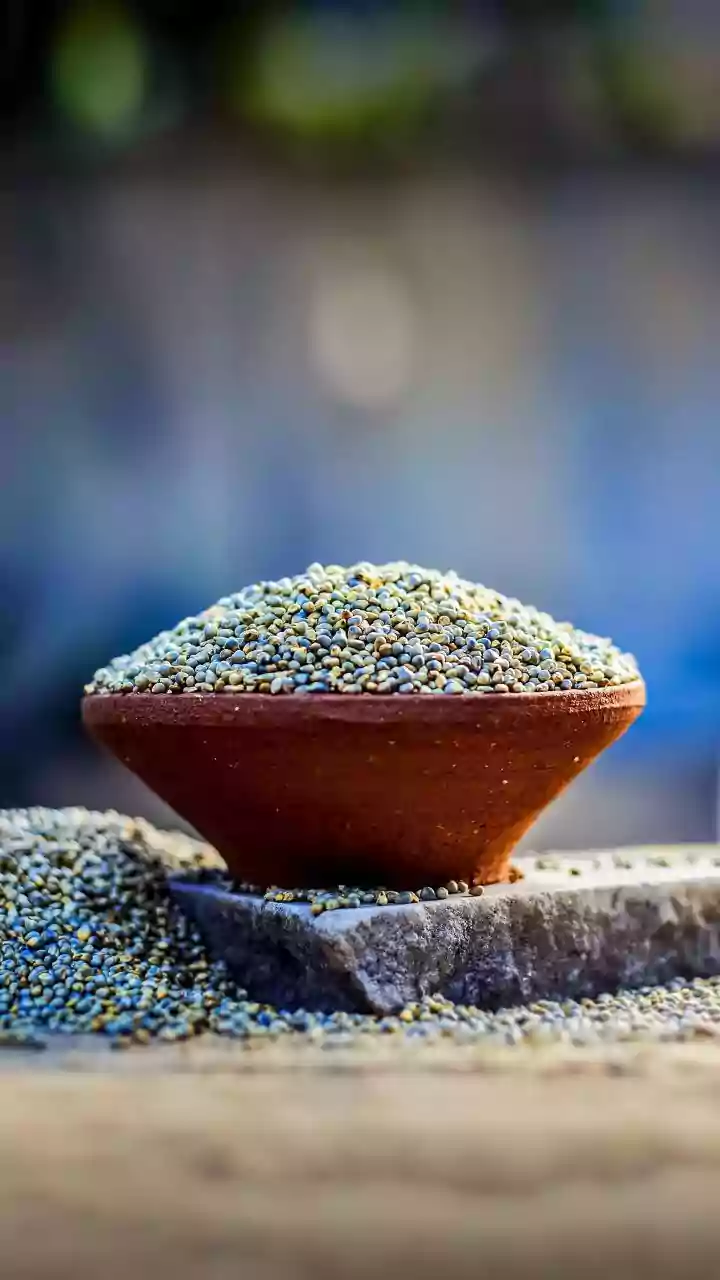
During the monsoon, it's wise to opt for foods that are light on the stomach. Moong dal is a perfect choice as it is easy to digest and a great source of protein. A warm bowl of moong dal khichdi or soup is not just comfort food; it's a highly nutritious meal that supports gut health and provides sustained energy without taxing your digestive system.