


Less Water Means a Creamier Bite
The primary reason Greek yoghurt excels in frozen applications is its low water content. Unlike regular yoghurt, Greek yoghurt is strained multiple times to remove most of the liquid whey. Water is the enemy of creamy frozen treats, as it forms large,
crunchy ice crystals when frozen. Because Greek yoghurt starts with less water, the final product has a much smoother, denser, and less icy texture. This creates a satisfying bite that feels more like a decadent dessert and less like a block of ice, which can sometimes happen with yoghurts that have a higher water content.
The Power of Protein
Tied to its low water content is a high protein concentration. Greek yoghurt can have up to twice the protein of its unstrained counterparts. This high protein content does more than just make the bark a more filling and nutritious snack. From a structural standpoint, protein molecules interfere with the formation of large ice crystals, much like fat and sugar do in traditional ice cream. This contributes significantly to that sought-after creamy texture. A higher protein yogurt simply freezes better, creating a bark that’s firm but not unpleasantly hard.
A Thick and Sturdy Base
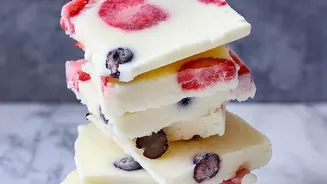
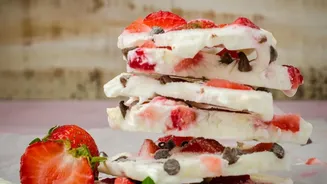
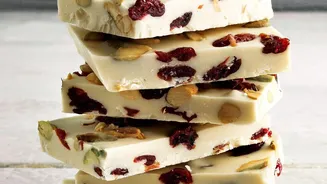
Anyone who has ever made yoghurt bark knows the frustration of toppings sinking to the bottom or sliding right off. Greek yoghurt's characteristic thickness provides a solution. Its dense, viscous consistency creates a sturdy canvas that holds toppings in place, ensuring you get a little bit of fruit, nuts, or chocolate in every single bite. Regular yoghurt, being more fluid, can cause toppings to cluster or sink, leading to an uneven final product. The thickness of Greek yoghurt ensures an even spread on the baking sheet and a professional-looking result, with all your colourful additions displayed beautifully on the surface.
The Perfect Tangy Counterpoint
Flavour is just as important as texture, and this is another area where Greek yoghurt shines. It possesses a natural, pleasant tanginess that regular yoghurt often lacks. This tart flavour profile provides a brilliant contrast to the sweetness of common bark additions like berries, honey, maple syrup, and chocolate. Rather than becoming overwhelmingly sweet, the finished bark has a balanced, more complex flavour that keeps you coming back for another piece. This inherent tang means you can control the overall sweetness more effectively, adding just enough sweetener to suit your taste without the final product tasting bland.