




The Pillars of a Vrat Diet
For nine nights, many Hindus observe a fast dedicated to Goddess Durga, which involves spiritual reflection and dietary discipline. This Navratri vrat means abstaining from grains like wheat and rice, lentils, onions, and garlic. Instead, the diet is built
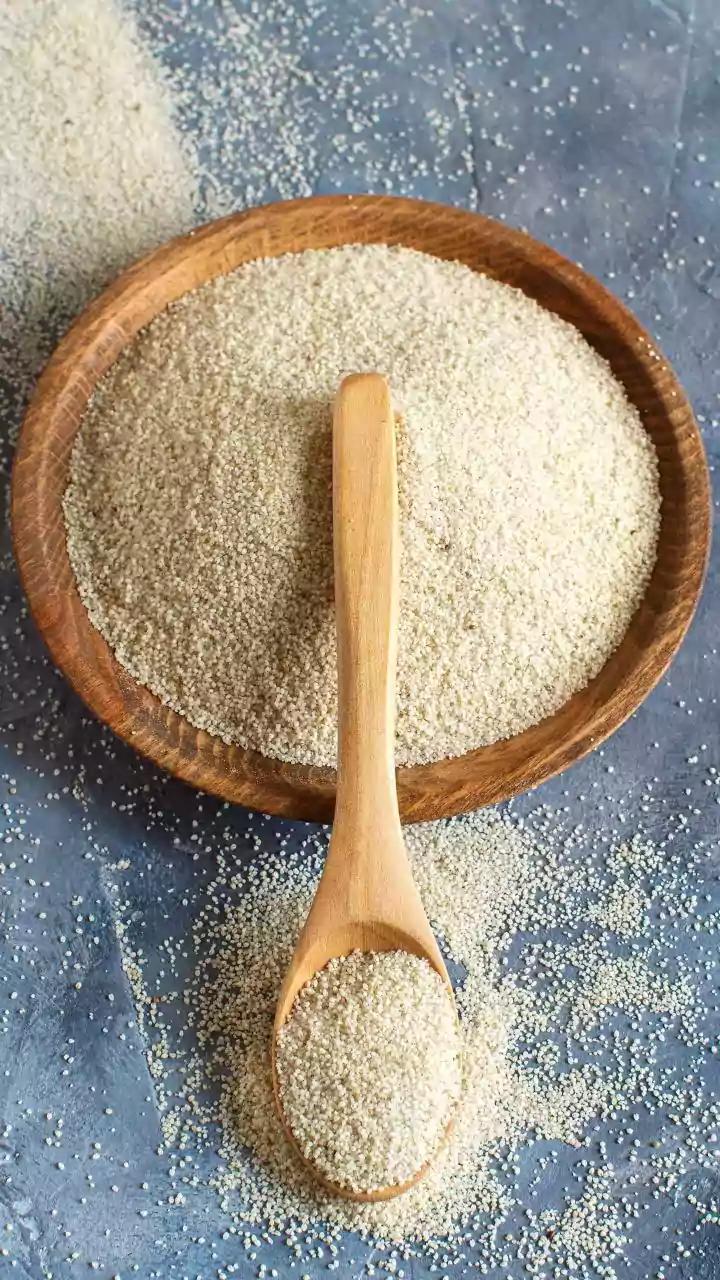
on a foundation of specific ingredients: flours like kuttu (buckwheat) and singhara (water chestnut), grains like samak rice (barnyard millet), and starchy staples like sabudana (tapioca pearls) and potatoes. Fruits, milk products, and certain vegetables form the rest of the Sattvic diet, which is meant to be pure, light, and easy to digest. These rules, far from being restrictive, have become the creative canvas for a fascinating culinary evolution.
Reimagining the Classics
The biggest trend in modern Navratri cooking is the delightful reimagining of traditional staples. Home cooks and chefs are no longer content with just kuttu ki puri and sabudana khichdi. That same kuttu flour is now being used to create crispy dosa, fluffy pancakes, and even the base for a vrat-friendly pizza. Sabudana, the versatile pearl, is moving beyond khichdi and vada to form the basis of paneer-stuffed tikkis and even innovative sweet waffles. Similarly, samak rice is being transformed from a simple pulao into comforting risotto-style dishes and savoury cutlets, showcasing how core ingredients can be adapted into new and exciting forms.
A Healthier Festive Platter
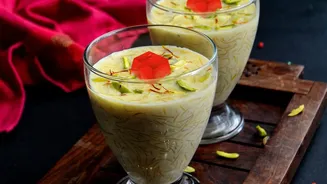
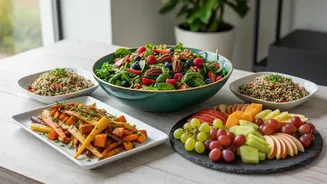
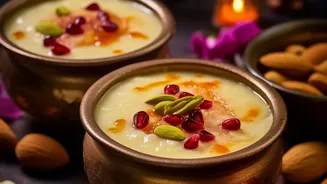
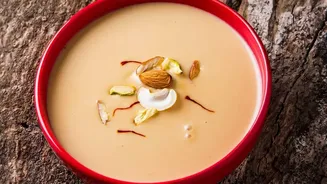
Alongside creativity, there's a strong shift towards healthier preparations. Deep-frying, once a mainstay of festive treats, is often being replaced by baking, air-frying, and shallow-frying. There's a conscious effort to make fasting food nourishing rather than just filling. Sweet potatoes are gaining popularity over regular potatoes for their lower glycemic index and added nutrients, appearing in dishes like baked patties and tangy chaats. Makhana (fox nuts), a low-calorie, high-protein snack, is now a star ingredient, roasted for a simple snack or blended into creamy, guilt-free kheer. This focus on health allows for indulgence without compromising the detoxifying spirit of the fast.
Global Flavours, Local Rules
Perhaps the most surprising trend is the infusion of global flavours into Navratri menus. Creative cooks are proving that fasting food doesn't have to be exclusively Indian. Buckwheat flour (kuttu) is being fashioned into Mexican-inspired taco shells, filled with spiced paneer or potato. In a truly inventive twist, some are even creating Sabudana sushi rolls, using steamed tapioca pearls in place of sticky rice and filling them with cucumber and avocado. Ingredients like quinoa, a seed and not a grain, are also making an appearance as a protein-packed substitute for rice in upma and pulao, demonstrating a clever blending of international food trends with traditional fasting guidelines.
Feasting Made Easy
The demand for diverse Navratri meals has not gone unnoticed by the food industry. Restaurants and cloud kitchens now offer elaborate Navratri thalis and à la carte menus, delivered right to the doorstep. These special menus go far beyond the basics, featuring everything from shakarkandi galoutis and paneer makhani to pumpkin curries and banana chips. This convenience makes it easier for everyone, including busy professionals and those living alone, to observe the fast while still enjoying a wide variety of delicious, rule-compliant dishes without spending hours in the kitchen.