



What Are These Patches, Really?
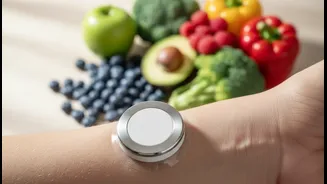
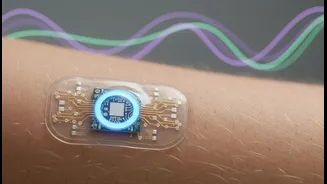
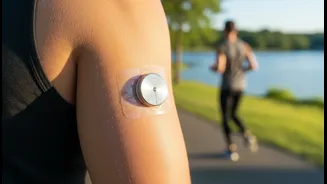
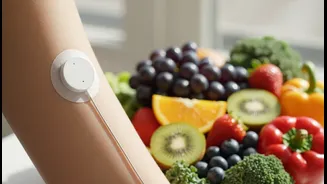
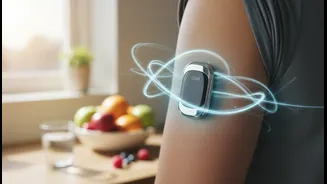
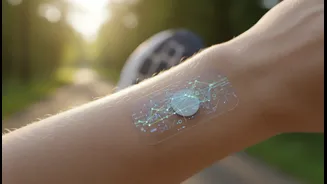
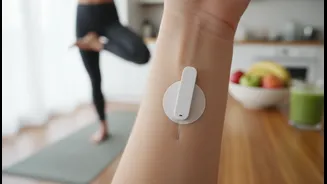
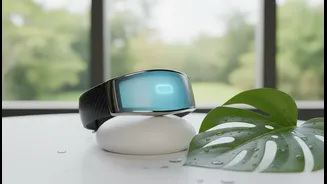
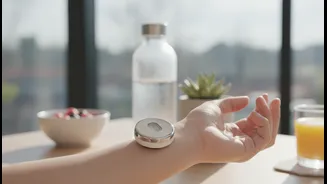
This trending device is a continuous glucose monitor, or CGM. Traditionally a medical tool for people with diabetes, a CGM is a small wearable sensor that painlessly inserts a tiny filament under the skin, usually on the back of the arm. For up to 14
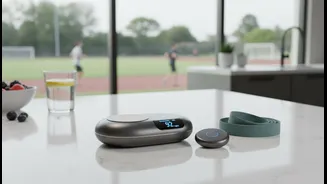
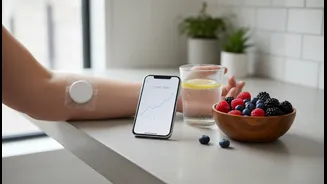
days, it continuously tracks glucose levels in the fluid between cells and sends this data to a smartphone app. Instead of periodic finger pricks, users get a 24/7 stream of information, revealing how their body responds to meals, exercise, stress, and sleep in real-time. This wave of data is now being embraced by a new cohort: healthy, ambitious individuals on a quest for peak performance.
Why the Sudden Craze Among Professionals?
For the modern urban professional, life is an optimization game. The latest trend fuelling this is 'biohacking'—a data-driven approach to improving one's own biology. And in a country with over 100 million people living with diabetes, proactive health monitoring has significant appeal. Professionals are using CGMs not to manage a disease, but to fine-tune their lives. The promise is alluring: by understanding how a breakfast of poha versus eggs affects their blood sugar, they believe they can eliminate afternoon energy slumps, sharpen mental focus, improve workouts, and even enhance sleep quality. It’s about moving from generic wellness advice to a completely personalized playbook for their body.
Decoding the Data for a Better Day
The insights can be revelatory. A user might discover that their seemingly healthy smoothie is causing a dramatic glucose spike and subsequent crash, explaining their 3 PM fatigue. They might learn that a short walk after lunch effectively blunts a post-meal spike, keeping their energy levels stable. These devices provide a powerful feedback loop, showing the direct metabolic consequence of every lifestyle choice. Companies and influencers in this space are using social media to demonstrate how everyday Indian foods impact blood sugar, creating a new level of nutritional awareness that goes far beyond calorie counting.
What Do the Experts Say?
While the biohacking community is enthusiastic, the medical establishment offers a more measured view. Doctors agree that CGMs are revolutionary for diabetes management. However, for healthy individuals, some experts caution against potential downsides. They warn that glucose levels naturally fluctuate, and misinterpreting these normal variations could lead to unnecessary anxiety or overly restrictive diets. A glucose reading without the full context of a person's overall health can be misleading. The consensus is that while the data is interesting, it should be used as a tool for awareness under expert guidance, not as a diagnostic device for self-treatment.
The Price of Peak Performance
This level of personalised data doesn't come cheap. In India, a single sensor, which lasts for about 14 days, can cost anywhere from ₹4,200 to over ₹5,000. Some wellness platforms bundle these sensors with their apps and coaching services, with plans running into tens of thousands for a few months' supply. For now, this makes it a luxury wellness tool, accessible primarily to a high-earning urban demographic. However, with market growth projected to be in the double digits and new, more affordable Indian-made devices entering the market, this technology is slowly becoming more accessible.