




A Scoop Driven by Demand
The move towards dairy-free desserts in India isn't just a fleeting trend; it's a response to a significant shift in consumer awareness and dietary needs. A large portion of the Indian population is estimated to have some degree of lactose intolerance,
making traditional dairy-based ice creams and gelatos a source of discomfort. Beyond digestive health, there's a growing wave of ethical veganism and general health consciousness, particularly among younger, urban consumers. People are more mindful of what they eat, seeking options that are perceived as healthier or more sustainable. This has fueled a booming market for all kinds of dairy alternatives, with plant-based milks like almond, soy, and oat becoming increasingly common in Indian households and cafes. The vegan food market in India is seeing significant growth, and the dessert category is a key part of that expansion.
The Creaminess Conundrum
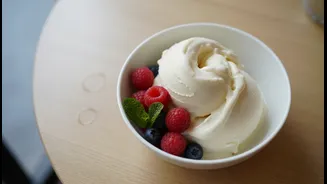
Creating a truly great gelato is a science. The secret to its dense, silky texture lies in the delicate balance of milk fat, proteins, and sugar. These components create a stable emulsion that minimizes ice crystals, resulting in a smooth mouthfeel. When you remove dairy, you lose this natural structure. Early attempts at dairy-free frozen desserts were often disappointing, yielding icy, thin, or bland products that couldn't compare to their dairy counterparts. The primary challenge for gelato makers is twofold: finding a plant-based substitute that provides enough fat and then ensuring all the ingredients bind together perfectly to prevent the formation of large ice crystals during freezing. Simply swapping cow's milk for a thin nut milk will likely result in a hard, icy block rather than a scoopable, creamy dessert.
The Plant-Based Pantry of Solutions
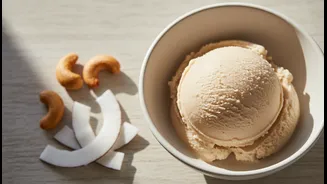
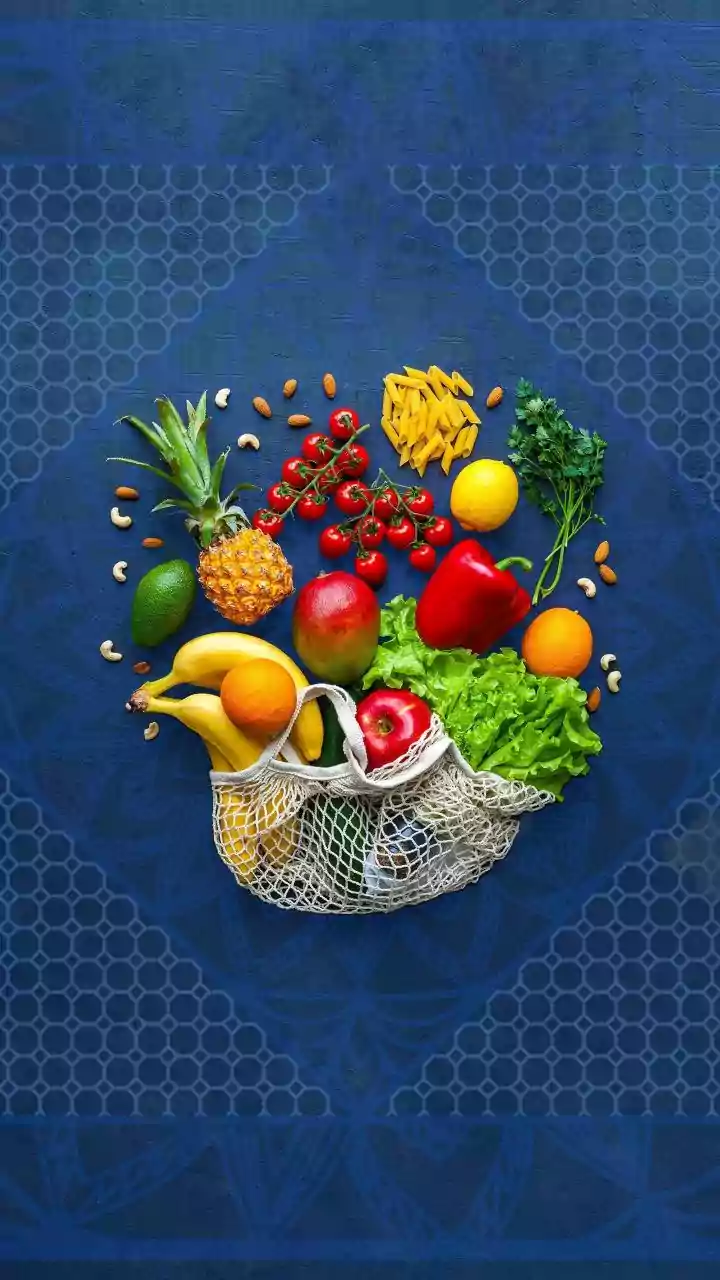
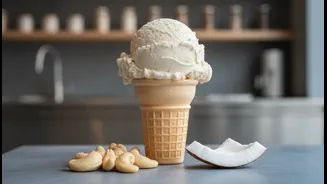
This is where the innovation begins. To replicate the richness of dairy, Indian gelato artisans are turning to a diverse plant-based pantry. Full-fat coconut milk has become a hero ingredient, prized for its high fat content that naturally mimics the creaminess of dairy. Cashew cream, made from blended soaked cashews, offers a luxurious texture with a more neutral flavour profile. Newer bases like oat milk are also gaining popularity for their subtle sweetness and versatility. To perfect the texture, chefs often combine these milks with other plant-based fats like coconut oil or cocoa butter. They also employ natural thickeners and stabilizers such as cornstarch, arrowroot, or guar gum, which help bind the mixture and ensure it stays smooth and stable. This careful combination of ingredients is the key to creating a dairy-free base that is rich, stable, and ready to be churned into a velvety gelato.
Artisanal Flavours on the Indian Scene
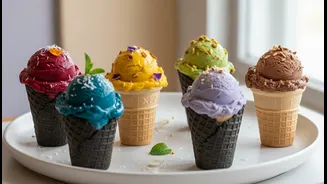
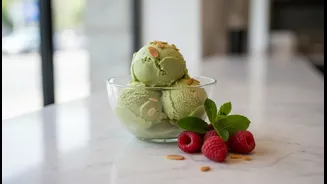
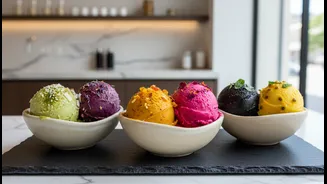
Across India, several artisanal brands are making a name for themselves in the vegan gelato space. These are not just offering basic chocolate and vanilla; they are infusing their creations with both classic and distinctly Indian flavours. Brands like Nomou, which won a PETA award, are crafting unique options like Paan and Saffron Pistachio gelato from plant-based ingredients. Others, such as White Cub, Minus 30, and Papacream, have also developed extensive vegan lines, with flavours ranging from Dark Chocolate and Green Tea Matcha to Espresso Cookie. This focus on premium, artisanal offerings reflects a wider trend where consumers are willing to pay more for high-quality, gourmet experiences. Many of these brands emphasize their use of natural ingredients, avoiding artificial additives and using sweeteners like dates or jaggery, which appeals to health-conscious dessert lovers.