




More Than Just Mess: The Health Risks of a Damp Coat
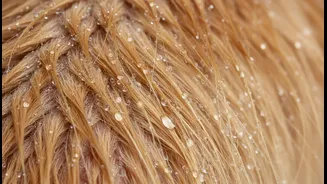
That trail of muddy paw prints is annoying, but the real problem with a wet pet is what happens when they don't dry off properly. The combination of rain and high humidity in India creates the perfect breeding ground for bacteria and fungi on your pet's
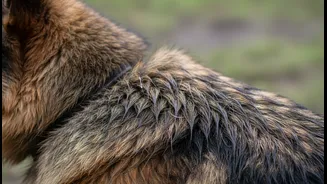
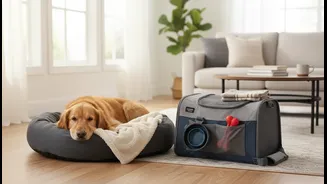
skin. When moisture gets trapped in a dog's undercoat or in skin folds, it can quickly lead to painful and itchy conditions like 'hot spots' (acute moist dermatitis) or yeast infections. These issues are particularly common in breeds with thick coats like Golden Retrievers and German Shepherds, or those with skin folds like Pugs. Furthermore, lingering dampness can cause that persistent “wet dog” smell, which is actually the odour of microorganisms multiplying in the fur. A proper drying routine is not just about cleanliness; it's a crucial step in preventing skin infections, discomfort, and costly vet visits.
The Essential Toolkit for Your Drying Station
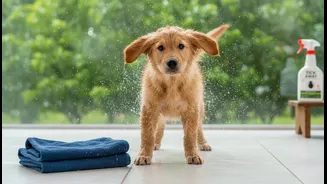
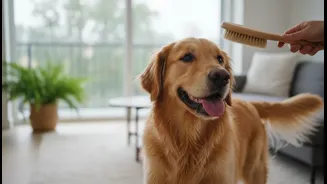
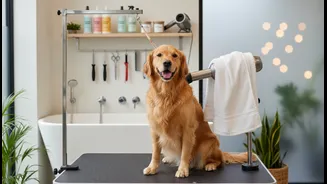
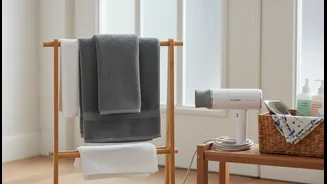
Creating an effective drying station doesn’t require expensive equipment. It’s about having the right tools organised in one convenient spot. Start with the floor. An absorbent mat is non-negotiable; it catches drips the moment your pet steps inside. Next, invest in high-quality towels. Standard cotton towels get saturated quickly. Microfiber towels are a far better choice as they can absorb significantly more water and dry faster, making them ready for the next walk. Keep a set of at least two—one for paws and the underbelly, and a larger one for the main coat. Also include a hook for leashes and raincoats, a brush to gently work through tangles once the coat is mostly dry, and a small bin or basket for used towels.
Location is Everything, Even in Small Apartments
The ideal location for your drying station is the area immediately inside your main entrance. This creates a buffer zone, preventing your pet from tracking water and dirt further into your home. For those living in apartments with limited space, this might seem challenging, but it's entirely possible with some smart planning. You don't need a whole room; a small corner or a narrow wall space in your entryway will suffice. Use vertical space to your advantage. Wall-mounted hooks, a slim shelf for supplies, and a hanging laundry bag for wet towels can keep everything organised without cluttering the floor. The key is to create a defined 'pause' area where your pet knows the post-walk routine begins before they are allowed free run of the house.
Step-by-Step: Assembling Your Station
Once you have your location and tools, setting up is simple. First, place your most absorbent mat directly in front of the door. This is your foundation. Above or beside the mat, install sturdy hooks. Dedicate one for your pet's leash and another for their raincoat if they use one. This keeps wet items contained. Next, place your stack of clean microfiber towels within arm's reach, either on a small shelf or in a waterproof basket. Having them ready means you’re not fumbling while holding a wiggly, wet dog. Finally, position a designated laundry bin for the dirty, damp towels. This simple step keeps mildew and odours from spreading and streamlines your laundry process. The entire setup should be logical, allowing you to move from one step to the next seamlessly: leash off, paws wiped, body towelled, and dirty linens stored.
Making the Routine Stress-Free for Your Pet
Some pets are anxious about being towelled down. The goal is to make the drying station a positive space, not a place of struggle. Always use gentle motions, patting the fur rather than rubbing vigorously, which can cause tangles and skin irritation. Keep a small jar of their favourite treats at the station. Reward your pet for their patience as you dry their paws, belly, and back. Consistency is key. By following the same routine after every single walk, your pet will learn what to expect. Over time, they will associate the drying station with a calm, rewarding experience that ends with a treat, rather than a frustrating battle. For dogs with very thick coats, you might consider a pet-specific, low-heat dryer, but always introduce it slowly and with positive reinforcement.