



Why Your Cat Craves the High Ground
To a human, a small flat is just a small flat. To a cat, it's a kingdom—and every kingdom needs its vantage points. In the wild, cats are both predator and prey. Climbing offers a distinct evolutionary advantage: it provides a secure perch to survey their
territory for potential threats and opportunities (like an unsuspecting toy mouse). This instinct doesn't disappear just because they live indoors with a steady supply of kibble. Vertical space expands their environment exponentially, providing crucial mental stimulation and a sense of security. A cat without access to vertical territory can feel stressed, anxious, and bored, which can lead to behavioural issues like scratching furniture or aggression. By building upwards, you're not just decorating; you're speaking your cat's language and tending to their psychological well-being.
Anatomy of a Cat Superhighway
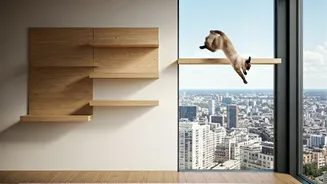
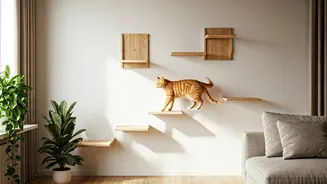
So, what exactly are these 'multi-tiered vertical wall bridge modifications'? Think of it as a modular playground for your cat, mounted securely to your walls. The system creates a 'cat superhighway' that allows your pet to navigate a room without ever touching the floor. The core components typically include: - **Shelves and Perches:** These are the basic building blocks, acting as steps or resting spots. They can be simple floating shelves covered in carpet or custom-made platforms. - **Bridges:** Often made of rope or wooden slats, these connect different perches, challenging your cat's balance and agility. They are the 'bridge' in the headline and a key feature of elaborate setups. - **Hammocks and Beds:** Wall-mounted hammocks or cushioned beds provide comfortable, elevated napping spots where a cat can feel safe and relaxed. - **Scratching Posts:** Integrating vertical scratching surfaces into the highway encourages good scratching habits, saving your sofa from destruction. These elements can be combined in countless ways, from a simple staircase of shelves in a corner to an elaborate network that spans multiple walls.
The Big Question: Buy or DIY?
Once you're sold on the idea, the next step is deciding how to bring it to life. You have two main options: purchasing a ready-made kit or embarking on a DIY project. Prefabricated systems from online retailers and specialised pet furniture brands offer convenience and professionally tested safety. They come with all the necessary hardware and instructions, making installation relatively straightforward for anyone comfortable with a drill. However, they can be expensive and may not perfectly fit your space or aesthetic. The DIY route offers ultimate customisation. You can choose your own materials, colours, and layout to perfectly match your home decor and your cat's abilities. A trip to a local hardware store for wood, brackets, and sisal rope can be much more budget-friendly. The trade-off is the time and skill required. You must ensure every component is securely anchored to the wall to support your cat's weight, especially during energetic leaps. Safety is paramount, so if you're not confident in your skills, a pre-made kit is the wiser choice.
Planning Your Vertical Playground Safely
Before you start drilling holes, take a moment to plan. First, observe your cat. Are they a bold acrobat or a cautious senior? The height and distance between shelves should match their physical abilities. Younger, more agile cats might love a challenging leap, while an older cat will need steps placed closer together. Map out a route that flows logically. It should offer a clear path up and down, with no dead ends that could trap a cat if they feel startled. Use a pencil to mark the wall and use a level to ensure shelves are straight. Most importantly, use the correct wall anchors for your wall type (plaster, brick, or drywall). A setup that wobbles or pulls away from the wall is a major safety hazard.
Making It Beautiful, Not Busy
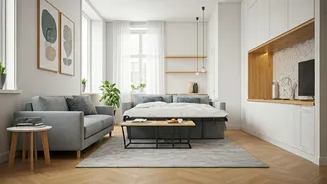
A common fear among style-conscious urban dwellers is that adding cat furniture will make their curated apartment look cluttered. But it doesn’t have to. The key is integration. Choose materials that complement your existing decor. If you have light wood floors, consider using shelves made of a similar wood. Paint brackets to match your wall colour so they visually disappear. Wrap shelves in a fabric or carpet that matches your colour scheme. By treating the cat highway as a piece of functional sculpture rather than just pet equipment, you can create a feature that is both enriching for your cat and a stylish addition to your home.