


The Rise of Root-to-Stem Cooking
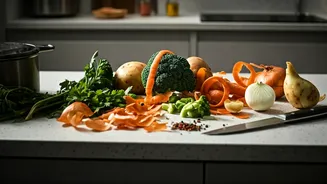
Forget complicated recipes and expensive imported ingredients. The most exciting food trend right now is rooted in something much simpler: using everything. Often called 'zero-waste' or 'root-to-stem' cooking, this philosophy challenges us to rethink
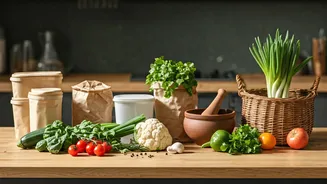
what we consider food scraps. That potato peel you were about to throw away? It can be a crispy snack. The tough stems of your coriander? They’re packed with flavour for a chutney base. This isn't about deprivation; it's about ingenuity. It’s a modern revival of the resourcefulness our grandparents practised, supercharged by a desire for sustainability and serious cost savings. In essence, it’s about unlocking the hidden potential in every single ingredient you buy.
Why Now? The Perfect Storm
This trend isn't emerging in a vacuum. A perfect storm of factors has brought it to the forefront. Firstly, economic pressure. With food inflation making every trip to the market more expensive, households are actively seeking ways to stretch their budgets. Using every part of an ingredient means you're literally getting more food for your money. Secondly, there’s a growing wave of environmental consciousness. We are more aware than ever of the problem of food waste, and this cooking style is a direct, tangible way for individuals to make a difference. Finally, social media has played a huge role. Chefs and home cooks on platforms like Instagram and YouTube are showcasing beautiful, delicious dishes made from parts of vegetables we once discarded, inspiring millions to see their kitchen 'waste' in a new light.
Start with a Scrap Stock
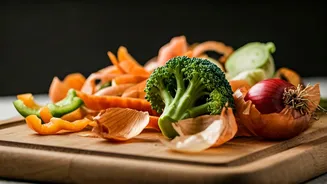
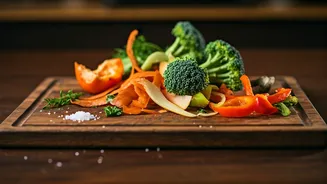
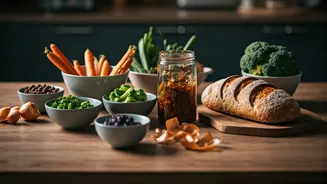
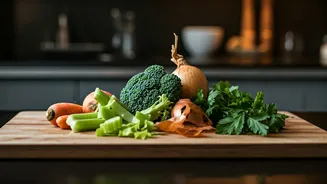
The easiest entry point into zero-waste cooking is making your own vegetable stock. Instead of tossing out onion skins, carrot peels, celery ends, mushroom stems, and herb stalks, keep them in a bag in your freezer. Once the bag is full, simply cover the scraps with water in a large pot, add a bay leaf or some peppercorns, and let it simmer for an hour. Strain it, and you have a deeply flavourful, nutrient-rich, and completely free liquid gold to use as a base for soups, curries, and sauces. You’ll never buy boxed stock again.
Turn Peels into Chips
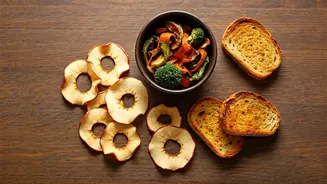
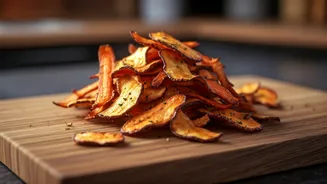
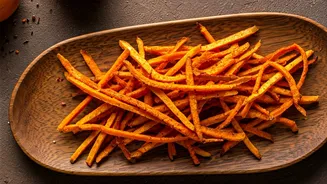
Potato, sweet potato, and even carrot peels are perfect for turning into a crunchy, addictive snack. After you’ve peeled your vegetables for a subzi or mash, don’t throw the skins away. Toss them in a bowl with a tiny bit of oil and your favourite seasonings—salt, chilli powder, chaat masala, or dried herbs work well. Spread them in a single layer on a baking sheet and bake in a hot oven (around 200°C) for 10-15 minutes, or until crispy. They are a fantastic, guilt-free alternative to packaged chips.
Give Leftovers a New Life
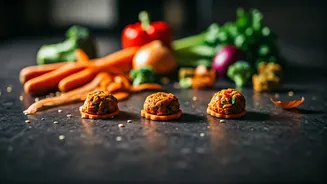
This goes beyond simply reheating last night's dinner. Think of leftovers as ingredients for a brand-new meal. Yesterday’s plain rice is the perfect base for today's flavourful fried rice or lemon rice. That small portion of leftover dal can be kneaded into flour to make nutritious and delicious dal parathas for breakfast. Leftover roasted vegetables can be blended into a creamy soup or folded into an omelette. This mindset shift—from 'old food' to 'new ingredients'—is a game-changer for reducing waste and keeping your meals interesting without extra effort.
Regrow Your Greens on the Windowsill
Some vegetables are eager to give you a second harvest with minimal effort. The white root ends of spring onions, for example, can be placed in a small glass with just enough water to cover the roots. Leave them on a sunny windowsill, change the water every couple of days, and you'll see new green shoots emerge within a week. You can do the same with the base of a head of lettuce or celery. It's a fun, simple project that provides a continuous supply of fresh greens for garnishing.