




The Core of the Flavour Debate
At first bite, the most apparent difference is the nature of their sweetness. A sweet potato, true to its name, possesses a pronounced, sugary-sweet flavour. This is layered with deep, earthy undertones, a characteristic that comes from it being a storage
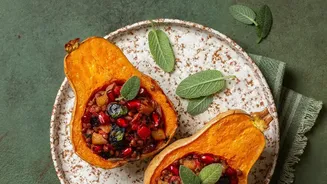
root grown underground. Different varieties can range from mildly sweet to richly so, with some having nutty notes. Butternut squash, on the other hand, offers a more delicate, complex sweetness. Its flavour is often described as nutty and slightly milder than a sweet potato's. Though it's botanically a fruit that grows on a vine, its taste when cooked is often compared to a blend of sweet potato and pumpkin. Roasting enhances its natural sugars, bringing out a richer, more caramelized character.
Texture: A Tale of Two Densities
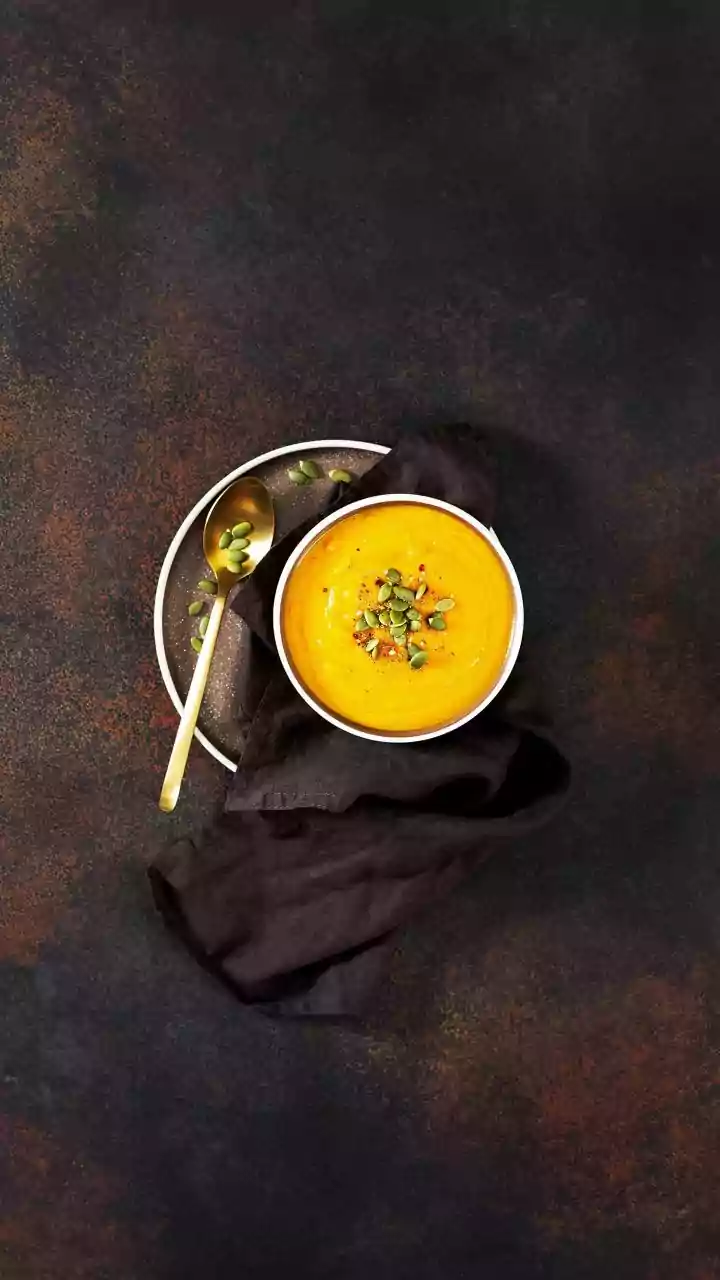
The divergence in taste is directly linked to texture. A sweet potato has a denser, starchier flesh. When cooked, it can become creamy and soft, but it can also sometimes have a slightly stringy or fibrous quality. This density is what allows it to hold its shape well when cubed and roasted, and it's what makes for a substantial, hearty mash. Butternut squash is less dense and contains more moisture. When cooked, its flesh becomes exceptionally smooth and creamy, rarely exhibiting the fibrousness of a sweet potato. This silky quality makes it a superstar for puréed soups and smooth sauces, where it blends seamlessly without any graininess. While it can be roasted, it softens more quickly than a sweet potato due to its higher water content.
Beyond Taste: A Nutritional Snapshot
While taste is our primary focus, nutrition often plays a role in the kitchen calculus. Here, the two diverge significantly. Butternut squash is the lighter option, containing less than half the calories and carbohydrates of a sweet potato per cooked cup. A cup of cooked butternut squash has about 82 calories and 22 grams of carbs, compared to a sweet potato's 180 calories and 41 grams of carbs. However, sweet potato packs more of a punch in other areas. It is higher in protein and offers significantly more Vitamin A and potassium. Both are excellent sources of dietary fibre, with a cooked cup of either providing roughly the same amount. Ultimately, neither is 'healthier' in a vacuum; the better choice depends on your personal dietary goals.
Choosing Your Champion in the Kitchen
Understanding these differences in taste and texture is the key to culinary success. Their unique profiles mean they cannot always be used interchangeably. Reach for a sweet potato when you want its starchy structure and robust sweetness. It is the undisputed champion for making crispy fries and wedges, as butternut squash's high water content prevents it from crisping up properly. Its density is also ideal for hearty gratins and casseroles where you want ingredients to hold their layered shape. Turn to butternut squash when a smooth, creamy texture and a milder, nuttier sweetness is desired. It is the perfect choice for velvety soups, risottos, and purées that can be swirled into pasta dishes. Because it collapses into a softer, more watery consistency, it excels in preparations where it is meant to be blended or mashed into a silky base.