


Makhana: The Humble Snack’s Powerful Return
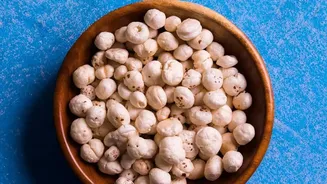
Not long ago, makhana, or fox nuts, were primarily seen as a fasting food. Today, they are a mainstream snacking sensation, replacing fried chips and namkeen in homes across the country. Harvested from the seeds of a water lily plant, these puffed kernels
are light, crunchy, and incredibly versatile. Their appeal lies in a fantastic nutritional profile; they are low in calories and fat, yet rich in protein, fibre, magnesium, and potassium. This makes makhana an excellent choice for weight management, as the combination of protein and fibre promotes a feeling of fullness. Furthermore, their low glycemic index makes them a safe and healthy snack for individuals managing blood sugar levels. Beyond a simple roasted snack, makhana can be added to curries, ground into flour for gluten-free parathas, or used as a crunchy topping for raita and smoothie bowls.
Millets: The Resurgence of Ancient Grains
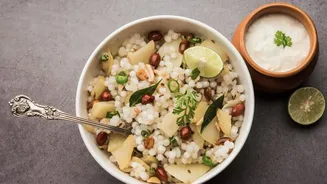
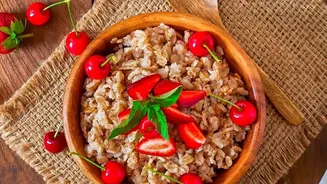
Millets like jowar, bajra, and ragi are not new to India; they have been a dietary staple for centuries. What is new is their rediscovery as a 'superfood' by health-conscious consumers. These small-seeded grains are nutritional powerhouses, packed with fibre, protein, vitamins, and minerals. As a naturally gluten-free option, they are a fantastic alternative to wheat and refined flour for those with sensitivities. The high dietary fibre in millets aids digestion, supports gut health, and helps in weight management by providing sustained energy and satiety. Ragi, for instance, is an exceptional source of calcium, crucial for bone health, while others are rich in iron and magnesium. Their versatility is a major factor in their comeback. Millets are now found in everything from breakfast cereals and dosa mixes to breads and cookies, making it easier than ever to incorporate these nutrient-dense grains into a modern diet.
Greek Yoghurt: The Protein-Packed Dairy Star
While traditional curd or dahi remains a beloved staple, its thicker, creamier cousin, Greek yoghurt, has carved out a significant space in the refrigerators of health-focused Indians. The key difference lies in the preparation: Greek yoghurt is strained multiple times to remove most of the liquid whey. This process results in a product that is much denser and contains almost double the protein of regular curd. This high protein content is a major draw, as it helps with muscle repair, increases satiety, and can aid in weight management. Additionally, the straining process reduces the lactose content, making Greek yoghurt easier to digest for some people with lactose sensitivity. It's also a great source of probiotics, which are essential for a healthy gut microbiome. While plain Greek yoghurt is a healthy snack on its own, it also serves as a versatile, high-protein base for smoothies, dressings, and dips.
A Modern Approach to Mindful Eating
The popularity of makhana, millets, and Greek yoghurt is more than just a passing fad. It represents a larger shift in how Indians are approaching food and wellness. There is a growing desire for 'clean labels' and a move away from ultra-processed foods, with consumers actively seeking out items that offer functional benefits like gut health and high protein. This trend is a beautiful blend of the old and new. We are embracing the wisdom of our ancestors by bringing back traditional ingredients like millets and makhana, while also adopting global health foods like Greek yoghurt that align with modern nutritional science. Together, these three foods offer a simple, effective, and delicious way to build a healthier diet. They prove that nutritious eating doesn't have to be about restriction, but rather about making smarter, more mindful choices that nourish the body from within.