


Why Bother with Quinoa?
Before we get into the kitchen, let's talk about why this swap is worth considering. Quinoa, technically a seed eaten like a grain, is a nutritional powerhouse. It's a complete protein, meaning it contains all nine essential amino acids, which is rare
for a plant-based food. It's also packed with dietary fibre, which helps with digestion and keeps you feeling full longer. Compared to white rice, quinoa offers significantly more protein, fibre, and essential minerals like iron and magnesium. For anyone looking to make their meals a little healthier without sacrificing satisfaction, quinoa is an excellent choice.
The Golden Rules of the Quinoa Swap
Successfully cooking with quinoa comes down to a few simple but crucial rules. First, always rinse your quinoa. It’s coated in a natural substance called saponin, which can taste bitter or soapy if not washed away. Even if the package says it's pre-rinsed, another good wash in a fine-mesh strainer is a great habit. Second, get the liquid ratio right. While many packages suggest a 2:1 ratio of water to quinoa, many cooks find this leads to a mushy result. A ratio closer to 1.75 cups of liquid to 1 cup of quinoa often yields a fluffier texture. Some even swear by a 1:1 ratio, but this requires a specific method of boiling and steaming. For classic Indian dishes like pulao or upma, starting with a 1:2 ratio of quinoa to water and simmering until the liquid is absorbed is a reliable method.
Perfecting Your Pulao and Biryani
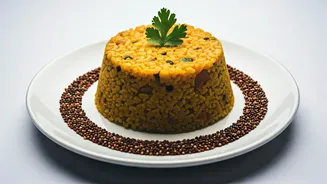
The thought of a quinoa biryani might seem sacrilegious to some, but it can be surprisingly delicious. Because quinoa cooks faster than rice, you'll need to adjust your method. You can't simply substitute it one-for-one in a traditional dum biryani recipe where rice and meat cook together for a long time. A better approach is to cook the quinoa separately until it’s just done—tender, with the little white germ ring visible. Prepare your vegetable or meat masala as you normally would. Then, you can either layer the cooked quinoa with the masala and give it a short 'dum' for about 10-15 minutes to allow the flavours to meld, or simply fold the cooked quinoa into the masala. For a one-pot pulao, sauté your whole spices, onions, and vegetables, then add the rinsed quinoa, toast it for a minute, add water or broth, and cook covered until the liquid is absorbed, which usually takes 15-20 minutes.
Upma, Khichdi, and Beyond
Quinoa's versatility extends far beyond rice dishes. It makes a fantastic substitute for sooji (semolina) in upma. The method is nearly identical: start with a tadka of mustard seeds, lentils, and curry leaves, sauté onions and vegetables, then add the rinsed quinoa, water, and salt. Cover and cook on a low flame for about 20 minutes until the quinoa is fluffy and translucent. The result is a more protein-rich and textured version of the breakfast classic. You can also use quinoa to make a healthier khichdi. Cook it with dal, turmeric, and other simple spices for a comforting and nutritious one-pot meal. Don't be afraid to experiment; quinoa’s mild, nutty flavour pairs wonderfully with a wide array of Indian spices and preparations.
Mastering the Fluff Factor
The difference between good and great quinoa is the texture. Mushy, waterlogged quinoa is a common complaint, but it's easily avoided. After the quinoa has absorbed all the liquid and is tender, turn off the heat but leave the pot covered. Let it sit and steam for another 5 to 10 minutes. This crucial resting step allows the grains to firm up and absorb any remaining moisture. After it has rested, use a fork—never a spoon—to gently fluff the quinoa. A spoon can mash the delicate seeds, while a fork separates them, creating that light, airy texture you're looking for. Toasting the rinsed quinoa in the pan for a minute before adding liquid can also enhance its nutty flavour and help keep the grains separate.