


What is Food Literacy, Really?
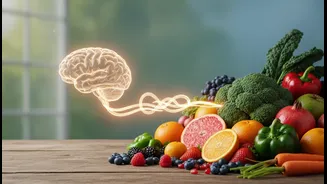
Food literacy isn't about creating mini-nutritionists who count every calorie. It's the practical ability to make informed decisions for long-term health. This means understanding where food comes from, how to read a confusing nutrition label, how to cook
a simple meal, and how to recognise one's own hunger and fullness cues. In India, where traditional food wisdom is colliding with an explosion of ultra-processed options, this skill is more critical than ever. Programmes like FSSAI's 'Eat Right School' aim to build this awareness from a young age, recognizing that children can be powerful agents of change within their families.
The Modern Indian Diet Dilemma
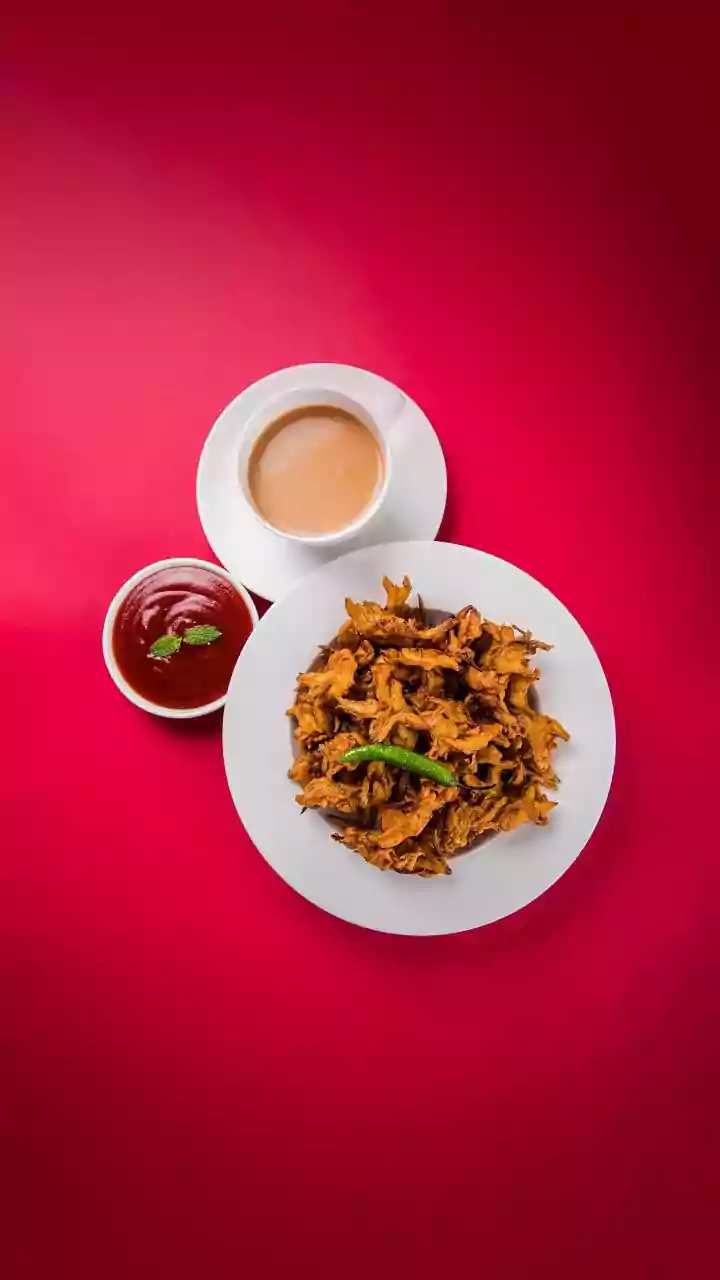
India is facing a 'double burden' of malnutrition: undernutrition still persists, while rates of obesity and lifestyle diseases like diabetes are rising alarmingly, even among children. This shift is largely driven by the increased consumption of ultra-processed foods (UPFs) – think packaged chips, sugary drinks, instant noodles, and biscuits. These products are cheap, convenient, and aggressively marketed, especially to younger audiences. Studies show high UPF consumption is linked to numerous health issues in children, making the case for early intervention not just important, but urgent.
The Danger of 'Nutrition Overload'
The goal is to raise mindful eaters, not anxious ones. Overloading children with rigid rules—'no sugar ever,' 'carbs are bad'—can backfire spectacularly. This approach can foster a negative relationship with food, leading to guilt, shame, and potentially disordered eating habits. The key is to move away from a 'good food' vs 'bad food' mentality. Instead, the focus should be on balance, variety, and moderation. Teaching that some foods are 'everyday' foods and others are 'sometime' foods is more sustainable than outright bans.
Decoding the Label: A Supermarket Survival Skill
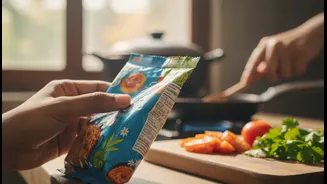
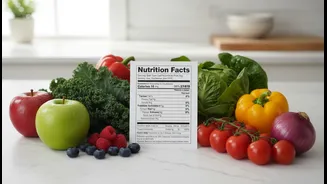
The back of a food packet is often more important than the front. Teaching a child a few simple tricks can be transformative. First, look at the ingredients list, which is ordered by weight. If sugar (or one of its many hidden names like corn syrup or sucrose) or maida is one of the first three ingredients, it's a 'sometime' food. Second, check the serving size. Manufacturers often list unrealistically small serving sizes; what looks like a single-serve pack might actually be two or three servings, meaning you have to multiply all the numbers to understand what's really being consumed.
Reclaiming the Thali: Portion Sense Made Simple
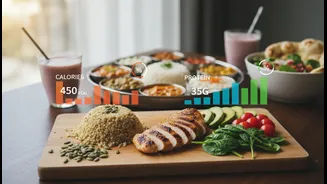
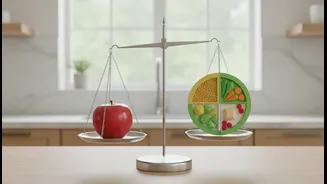
Forget weighing scales and counting grams. The traditional Indian thali offers a brilliant, visual guide to balanced eating. A simple approach is the plate method: half the plate with vegetables (sabzi/salad), one quarter with protein (dal, paneer, eggs), and one quarter with carbohydrates (roti, rice). Simple hand measures are also effective and easy for kids to learn: a fistful for carbs, a palm-sized portion for protein, and a thumb-sized amount for fats like ghee or butter. Using smaller plates and bowls can also naturally help control portions without making it feel restrictive.
From Kitchen to Classroom
Food literacy is best learned by doing. Involving children in meal preparation—whether it's washing dal, shelling peas, or rolling a chapati—connects them with their food. School programs that incorporate hands-on activities, like those promoted by FSSAI and other organisations, are crucial. However, currently, nutrition education in many Indian schools is often limited to rote learning within a home science curriculum, failing to impart practical, critical thinking skills. For food literacy to truly take root, it needs to be a partnership between home and a more practical, skills-focused school curriculum.