



From Vague Forecasts to Pinpoint Alerts
For decades, monsoon forecasts were a broad-stroke affair, covering entire states or large regions. While helpful, they lacked the granularity to inform daily, local decisions. A 'heavy rain in Maharashtra' warning didn't tell a commuter in Thane whether
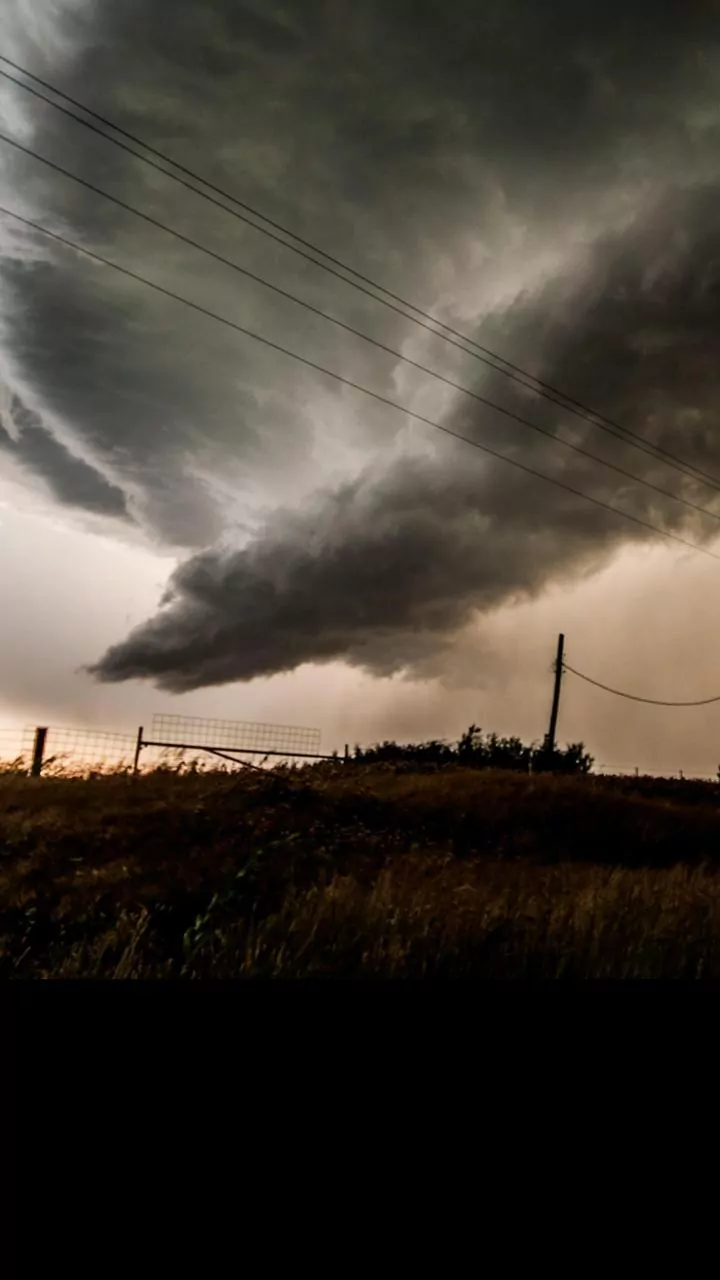
their specific railway line would flood. That era is ending. The India Meteorological Department (IMD) has rolled out new AI-driven systems that provide block-level forecasts, a dramatic leap toward hyper-local weather prediction. Using a blend of advanced weather models, AI, Doppler radars, and an expanding network of automatic weather stations, the IMD can now issue warnings for specific districts and even sub-districts. These nowcasts, updated every few hours, can predict the intensity and duration of rainfall with far greater precision, flagging the exact areas likely to face severe weather. This shift from regional to street-level intelligence is not just a technological upgrade; it's a fundamental change in our ability to manage monsoon-related disruption.
The Gridlock on Our Roads
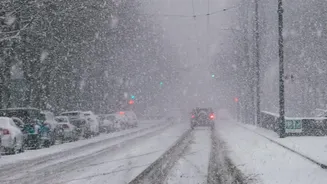
Urban flooding is the primary cause of monsoon traffic paralysis in cities like Mumbai, Delhi, and Chennai. Key underpasses and low-lying arterial roads become inaccessible, creating a domino effect that cripples the entire road network. Previously, traffic police and municipal corporations often reacted to flooding after it had already occurred. With district-level warnings, the approach can become proactive. If the IMD alerts that a specific cluster of districts will receive intense rainfall between 2 PM and 5 PM, authorities have a crucial window to act. They can pre-deploy water pumps to known waterlogging spots, issue timely advisories for commuters to avoid certain routes, and prepare traffic diversion plans in advance. Systems like Mumbai's iFLOWS, which integrates IMD forecasts with local topography and drainage data, already show what's possible, providing ward-level flood estimates up to three days in advance. The availability of such precise data means that being caught unprepared is no longer an acceptable excuse.
Keeping the Lifeline Running
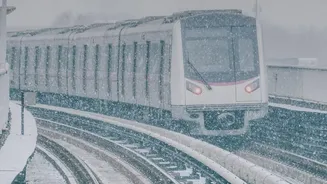
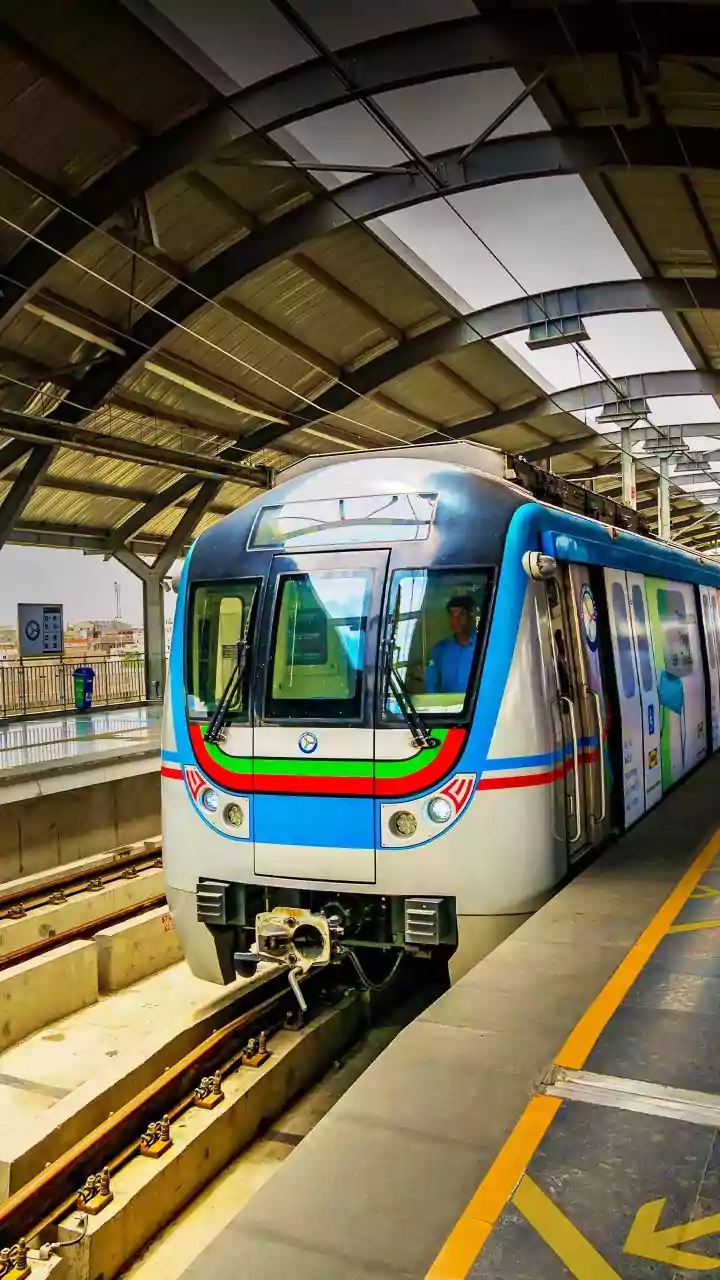
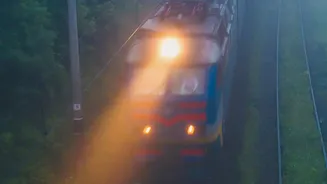
For millions, suburban railway networks are the city's lifeline. They are also notoriously vulnerable to the monsoon, with waterlogging on tracks being a primary cause of delays and cancellations. Indian Railways has traditionally undertaken extensive pre-monsoon preparedness, cleaning drains and inspecting tracks. However, these new forecasts offer an opportunity for dynamic, real-time management. For instance, Western Railway in Mumbai has begun installing dozens of dewatering pumps and flood gauges to monitor water levels in real time. When precise IMD warnings are integrated with this infrastructure, the response can be immediate. Railway authorities can be alerted to potential flooding on a specific section of track, allowing them to deploy maintenance crews and suction machines pre-emptively. Most importantly, it allows them to communicate specific and timely information to passengers, preventing the dangerous overcrowding at stations that occurs when services are suspended without warning. The Northeast Frontier Railway is already installing its own automatic weather stations in landslide-prone areas to ensure operational safety.
The Data is Here, Where is the Action?
The IMD's technological advancements have effectively passed the baton. The challenge is no longer a lack of information, but the capacity of local bodies to act on it. Having a precise forecast for a flood in a specific locality is useless if the municipal corporation's disaster management cell isn't equipped to interpret and act on it. It requires seamless coordination between the IMD, State Disaster Management Authorities (SDMAs), municipal corporations, traffic police, and the railways. This new era of forecasting demands a new era of governance—one built on data-driven decision-making, inter-agency collaboration, and clear communication channels to the public. The 'Act of God' explanation for civic failure during monsoons has worn thin. With science providing the tools to see what's coming, the public's expectation of a proactive, coordinated response will only, and rightly, grow.