







The Science of a Cool Roof
The secret to a cooler home lies on its most sun-beaten surface: the roof. Traditional concrete or dark-coloured terraces absorb a vast amount of solar radiation, heating up to over 60°C and slowly releasing that heat into the rooms below. Reflective
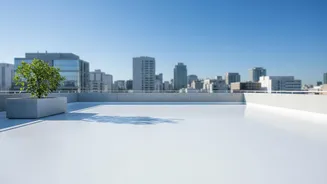
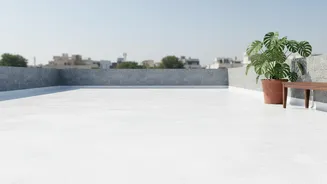
roof coatings, often called 'cool roof' paints, are engineered to combat this. They work on two main principles: high solar reflectance and high thermal emittance. High solar reflectance means the coating, usually white or a very light colour, bounces a majority of the sun's rays back into the atmosphere instead of absorbing them. High thermal emittance allows the surface to quickly release whatever little heat it does absorb. Together, these properties can dramatically lower the roof's surface temperature.
The Four-Degree Claim: How Real Is It?
The headline promise of a four-degree drop is not just marketing hype; it is a realistic outcome under the right conditions. Studies and real-world applications show that a quality reflective coating can reduce indoor temperatures by anywhere from 2°C to 7°C. The exact reduction depends on several factors: your home's top-floor location, the amount of direct sun exposure on the terrace, existing insulation, and ceiling height. While a standard grey cement roof might absorb 70-80% of the sun's heat, a high-quality reflective coating can bounce back 70-85% of that radiation. This translates to a surface temperature reduction of up to 30°C, which in turn leads to cooler rooms directly beneath the terrace.
Choosing Your Armour: Types of Coatings
Not all 'cool paints' are created equal. The market offers several types, each with its own strengths. Elastomeric coatings are a popular choice in India. These are thick, flexible, rubber-like paints that not only reflect heat but also provide excellent waterproofing, a crucial benefit during monsoon season. They can stretch to cover small cracks, adding to your roof's longevity. Acrylic-based coatings are another common, water-based option known for good reflectivity and UV resistance. For a premium solution, some coatings contain ceramic microspheres, which act as tiny heat shields to further block heat transfer. When shopping, look for the Solar Reflectance Index (SRI) value; a higher SRI (ideally above 90) indicates better performance.
DIY or Call the Pros?
Applying a reflective coating can be a DIY project if you are handy, but proper preparation is key to success. The process involves a few critical steps. First, the terrace must be thoroughly cleaned to remove all dust, grime, and loose material. Any existing cracks or damage must be repaired to ensure a smooth, stable surface. For porous surfaces like concrete tiles, a primer may be needed to ensure the coating adheres properly. The coating is then applied in two or three even coats, often with a roller or brush, with adequate drying time between each layer. While a DIY approach can save money, a professional application ensures that these crucial prep stages are handled correctly, guaranteeing better performance and durability.
The Cost vs. Comfort Equation
Investing in a reflective roof coating is not just an expense; it is an investment in comfort and energy savings. While the upfront cost is higher than standard paint, the benefits are long-lasting. Homeowners often report a significant reduction in their reliance on air conditioners, leading to lower electricity bills—sometimes by as much as 15-20%. Many find their fans become more effective and rooms cool down faster when the AC is used. The coating also acts as a protective shield for your roof, safeguarding it from thermal stress and UV degradation, which can extend the life of the underlying structure and its waterproofing. Most quality coatings are designed to last for several years, making the payback period relatively short when you factor in energy savings and enhanced comfort.