








The Promise and Perils of Speed
Quick-commerce platforms have revolutionised urban life by delivering essentials in minutes. This speed is possible due to a network of "dark stores"—small, local warehouses packed with inventory. However, the pressure to operate at lightning speed can
create food safety challenges. Issues like improper temperature control for dairy and frozen items, hygiene lapses in storage facilities, and a rush to move products can lead to consumers receiving spoiled or near-expiry goods. Recent reports show a rise in consumer complaints about receiving everything from rotten eggs to expired packaged meals. In response, India's food safety authority, FSSAI, has increased its scrutiny of these platforms, highlighting violations related to improper storage and the sale of unsafe food.
Your Pre-Purchase Digital Checklist
While you can't physically inspect items before buying, you can shop smarter. A major issue for online grocery shoppers is the lack of visible 'Best Before' or expiry date information on many platforms before purchase. Surveys show almost half of consumers struggle to find this crucial data online, leaving them vulnerable to receiving products with a very short shelf life. Before you add items to your cart, check if the platform displays this information. Be cautious of unusually deep discounts on perishable items like bread, milk, or yogurt, as this can sometimes be a way to clear stock that is nearing its expiry date. For fresh produce, consider sticking to vendors with consistently good reviews, and perhaps place a smaller trial order when using a new service to gauge its quality standards firsthand.
The Critical Post-Delivery Inspection
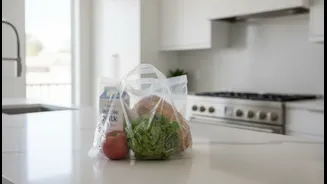
The moment your order arrives is the most critical time for a quality check. Don't just put your groceries away; take a minute to inspect them. For packaged goods like milk, bread, paneer, and snacks, immediately check the 'Best Before' or 'Use By' date. FSSAI rules mandate that products should have a significant portion of their shelf life remaining upon delivery. For fresh fruits and vegetables, look for any signs of wilting, bruising, mould, or foul odours. Squeeze leafy greens to check for freshness and ensure root vegetables are firm. If you've ordered frozen items, feel the packaging to confirm they are still frozen solid and not partially thawed. Damaged, leaking, or bloated packaging is another red flag that the product's integrity may be compromised.
From Door to Fridge: Smart Storage Habits
Food safety doesn't end with a successful delivery. Proper storage is essential, especially in India's varied and often humid climate. Once you've inspected your items, store them correctly without delay. Transfer dry goods like dal, atta, and rice from their original packets into clean, dry, airtight containers to protect them from moisture and pests. This simple habit can significantly extend their shelf life. Store fresh produce appropriately; for example, leafy greens last longer if washed, dried thoroughly, and stored in a container, while root vegetables prefer cool, dark places. For leftovers like paneer, submerging it in a container of water in the fridge can keep it soft and fresh for days. Always follow the 'first in, first out' rule: use older groceries before opening new ones.
What to Do When You Receive Bad Groceries
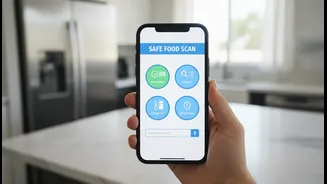
If you discover a spoiled or expired item, act immediately. Your rights as a consumer protect you against unsafe goods. Most quick-commerce apps have a customer support or grievance section. Take clear photos of the product, showing the defect and the expiry date, and submit them along with your complaint through the app. A prompt complaint is more likely to result in a refund or replacement. For more serious issues or if you don't get a satisfactory response, you can escalate the matter. The FSSAI encourages consumers to report food safety violations through its 'Food Safety Connect' app, where you can lodge a formal grievance by uploading details and photos. This not only helps resolve your issue but also contributes to regulatory oversight and holds platforms accountable.