








Why Recovery Is More Than Just Rest
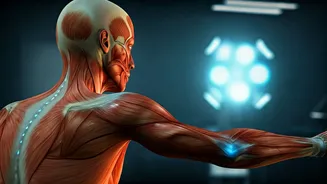
When you engage in strenuous physical activity, you're creating microscopic tears in your muscle fibres. [2, 5, 7] This isn't a bad thing; it's the necessary stimulus for growth. The recovery process is where your body repairs these tiny tears, rebuilding
the muscles to be stronger and more resilient than before. [2, 4] This repair cycle involves managing inflammation, synthesising new protein, and replenishing energy stores. [2, 8] Think of it less as downtime and more as the construction phase. Without a proper recovery strategy, you risk prolonged soreness, diminished performance, and a higher chance of injury. [8]
The Ultimate Recovery Tool: Sleep
If there's one magic bullet for recovery, it's quality sleep. While you're in deep sleep, your body gets to work on its most important repairs. [1, 14] The pituitary gland releases a significant amount of human growth hormone (HGH), which is essential for repairing and building tissues, including muscle. [1, 4, 14] Getting adequate rest helps regulate hormones, keeping muscle-degrading cortisol (the stress hormone) in check while promoting anabolic hormones like testosterone. [1, 4] Sleep is also when your body replenishes its primary muscle fuel source, glycogen, ensuring you have the energy for your next workout. [1, 14] Aiming for 7-9 hours of quality sleep is one of the most effective recovery strategies available. [2]
Fueling the Rebuild: Protein and Carbs
Nutrition is the foundation of muscle repair, and two macronutrients are king: protein and carbohydrates. After a workout, your muscles are primed to absorb nutrients. [25] Protein provides the essential amino acids that act as the building blocks for muscle protein synthesis—the process of repairing those microtears. [7, 10, 18] Consuming high-quality protein within a couple of hours post-exercise can maximize this repair process. [7] Meanwhile, carbohydrates are critical for replenishing the muscle glycogen you burned for energy. [11, 18, 23] Combining carbs and protein not only restocks your energy but can also enhance your body's ability to absorb and use that protein for repair. [11, 23]
Hydration's Critical Role in Repair
Proper hydration is about more than just quenching your thirst; it's a critical component of recovery. Water and electrolytes are essential for transporting nutrients to your cells, removing metabolic waste products, and regulating your body temperature. [10, 22] When you sweat, you don't just lose water; you lose crucial electrolytes like sodium and potassium that are vital for muscle function and fluid balance. [10, 20] Simply chugging plain water isn't always enough, as you need sodium to help your body retain and absorb the fluid effectively. [17, 20] Aim to replace what you've lost, paying attention to both fluids and electrolytes to ensure your body's internal environment is stable and ready for repair. [17]
Keep Moving: The Power of Active Recovery
It might sound counterintuitive, but sometimes the best thing for sore muscles is light movement. This is known as active recovery, and it involves low-intensity exercise like walking, gentle cycling, or yoga. [3, 6] Unlike passive recovery (complete rest), active recovery keeps blood flowing, which helps deliver oxygen and nutrients to your muscles while clearing out metabolic byproducts like lactate. [3, 19] This can help reduce muscle soreness and stiffness, keeping your muscles flexible. [6] Studies have shown active recovery can significantly reduce soreness compared to doing nothing at all. [7] However, if you are injured or extremely fatigued, passive recovery is still important. [6, 9]