



Redefining Value in Travel
For today's budget-conscious traveller, 'value' is no longer just about finding the cheapest ticket. It's about the entire experience. While a flight might get you to your destination faster, the associated costs of airport transfers, baggage fees, and
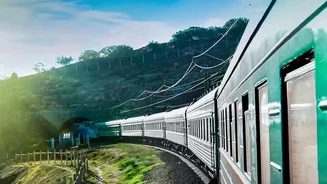
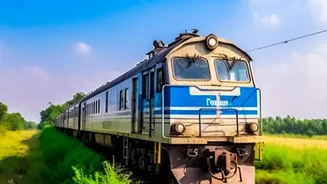
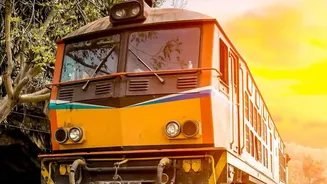
the general stress of security lines are leading many to seek alternatives. Slow rail travel presents a compelling proposition: the journey itself becomes a part of the vacation. It’s a shift in mindset from merely reaching a destination to truly experiencing the distance in between. This approach trades the frenetic pace of modern life for a chance to unwind, observe the changing landscapes, and arrive feeling refreshed, not frazzled.
The Economics of Slowing Down
The financial argument for choosing the train in India is undeniable. For most distances under 800 kilometres, train tickets are significantly cheaper than airfare. A third AC ticket can cost a fraction of a budget airline flight for the same route. This saving is compounded when you consider that an overnight train journey also saves you the cost of a hotel room, a clever hack that seasoned travellers have used for decades. For a family of four, these savings can be substantial, freeing up the holiday budget for better accommodation, local experiences, or simply a longer trip. Indian Railways offers various classes, from affordable Sleeper Class to comfortable AC coaches, ensuring there's an option for every budget.
Iconic Routes Offering Priceless Views
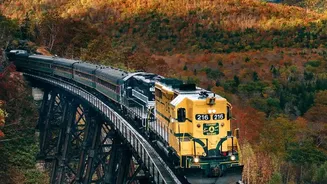
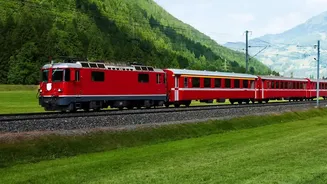
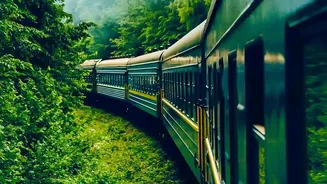
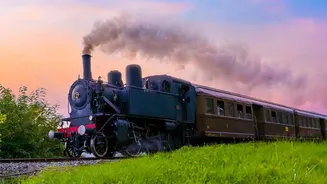
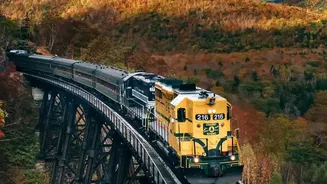
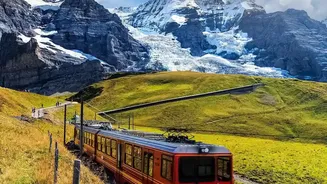
India's vast railway network is dotted with routes that are destinations in themselves, offering views that no flight can match. The Konkan Railway, stretching from Mumbai to Goa, is a monsoon favourite, with its path carving through the lush Western Ghats, revealing countless waterfalls and emerald-green landscapes. Similarly, the UNESCO World Heritage 'toy trains', like the Kalka-Shimla Railway and the Darjeeling Himalayan Railway, offer a nostalgic journey through misty mountains, pine forests, and charming hill stations. These trains move at a leisurely pace, deliberately designed for passengers to soak in the scenery, from the Batasia Loop's panoramic Himalayan views to the 800-plus bridges on the Shimla route.
A More Sustainable and Social Journey
The environmental benefits are also a significant factor for a growing number of travellers. On a per-passenger basis, train travel has a much lower carbon footprint than flying, making it a more sustainable choice. But beyond the green credentials lies a unique social fabric. Unlike the sterile environment of an airplane cabin, train compartments foster interaction and shared experiences. Conversations spark between strangers, home-cooked meals are shared, and friendships are forged over a cup of chai from a platform vendor. It's a return to a more connected, human way of travelling, offering a glimpse into the real soul of the country.
Planning Your Slow Rail Adventure
Embarking on a slow rail journey is straightforward, but a little planning goes a long way. Tickets can be booked up to 120 days in advance on the official IRCTC website or app, and booking early is recommended for popular routes, especially during peak season. Consider Vistadome coaches on scenic routes like the one to Araku Valley for panoramic glass ceilings and large windows. For overnight journeys, pack essentials like a travel pillow, snacks, and a power bank. Most importantly, embrace a flexible mindset. Trains can sometimes be delayed, but as any slow traveller will tell you, it’s all part of the adventure.