





The Case for Booking Now: Price Hikes and Festive Cheer
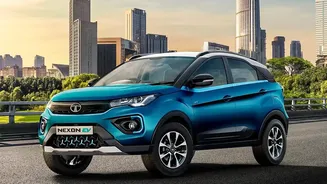
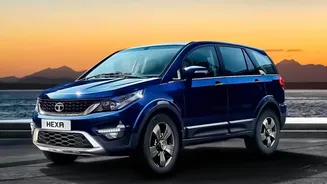
The most compelling reason to buy a car in September is to beat the impending price hikes. Several major manufacturers, including Tata Motors, Hyundai, and Maruti Suzuki, have announced price increases starting from September 2026. Tata Motors plans to increase prices
by up to ₹25,000, while Hyundai is implementing a hike of up to 1%. Maruti Suzuki already raised its prices in August. Booking now means you lock in the current, lower price before these revisions take effect. Beyond avoiding price shocks, September kicks off the festive season, a period when dealerships are eager to attract customers. You can often find attractive offers like cash discounts, exchange bonuses, free accessories, and favorable financing schemes designed to convert festive footfall into sales.
The Drawback: Are Festive Deals the Best You Can Get?
While festive offers are appealing, they may not be the absolute best discounts of the year. Historically, the most aggressive deals emerge in December. This is when dealerships are under immense pressure to clear out their existing year's stock before the new model-year vehicles arrive in January. This pressure to meet annual sales targets often gives buyers greater negotiation power in December compared to the festive rush of September and October. So, while a September deal is good, waiting could potentially yield even deeper cash discounts and more substantial overall savings, especially on outgoing models.
The Waiting Game: New Launches and Long Queues
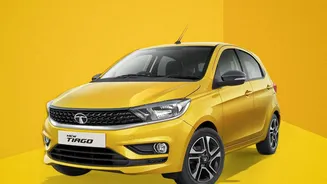
Waiting isn't just about discounts; it's also about what's new. The latter part of the year often sees the launch of facelifted models or entirely new vehicles. For example, a facelifted Maruti Baleno is expected in September 2026. If having the very latest model is important to you, waiting a few months might be worthwhile. However, you must also contend with waiting periods. For popular models, the queue can be long. As of August 2026, certain variants of the Tata Punch and Tiago have waiting periods of up to 10-12 weeks, while their EV counterparts can stretch to an astonishing 18-24 weeks. In-demand models from other brands also face significant delays. Booking now, even with a wait, gets you in the queue sooner. If you need a car urgently, readily available models like the Tata Tigor or Altroz, with a waiting period of just 1-2 weeks, might be a better choice.
The Resale Value Factor
An important, often overlooked, aspect is the impact of the manufacturing year on your car's resale value. A car purchased and registered in December 2026 will be considered a year older than one registered in January 2027, even if they are bought just a few weeks apart. This can lead to a lower resale value down the line. If you plan to keep your car for many years, this difference becomes marginal. However, if you upgrade your vehicle every three to five years, buying at the very start of a new year can offer a small but significant financial advantage when it's time to sell.
How to Make Your Decision
So, what's the final verdict? It depends entirely on your priorities. Create a checklist to guide your choice: 1. Urgency: Do you need a car immediately? If so, focus on models with short waiting periods and take advantage of the current festive offers. 2. Budget: Is securing the lowest possible price your main goal? You might find better leverage and deeper discounts by waiting for the year-end clearance sales in December, but you risk being affected by the September price hikes if the deals don't offset them. 3. Model Preference: Are you eyeing a specific, popular model with a long waiting list? Booking now secures your spot in the queue. If you want the latest tech and design, research upcoming launches to see if a newer version is just around the corner. 4. Long-Term Value: Do you frequently change cars? If so, waiting until January to get a newer model year on your registration certificate could be a financially savvy move for future resale.