



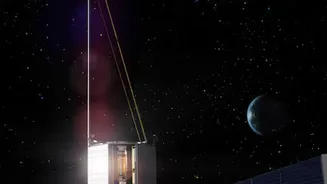
An Early Start at the Lunar South Pole
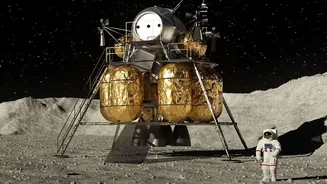
The day for a lunar astronaut begins early, governed not by sunrise but by a strict schedule synced with Mission Control back on Earth. In the low gravity, you don't so much walk as glide out of your sleeping pod, a small personal space within the main
Foundation Surface Habitat. Personal hygiene is a challenge; water is a precious, recycled resource, so showers are replaced by no-rinse soaps and antimicrobial wipes. Breakfast isn't cooked but reconstituted—think pouches of food you inject with hot water. After the morning meal, the crew gathers for a daily planning conference with the ground team, reviewing the day's objectives, which are a mix of science, exploration, and maintenance.
The Morning's Mission: Science on the Surface
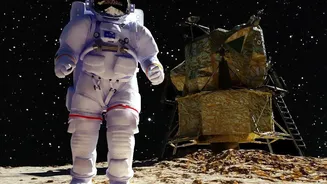
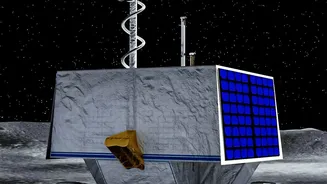
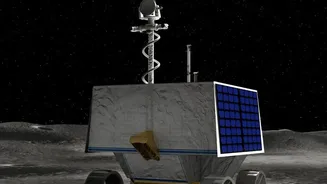
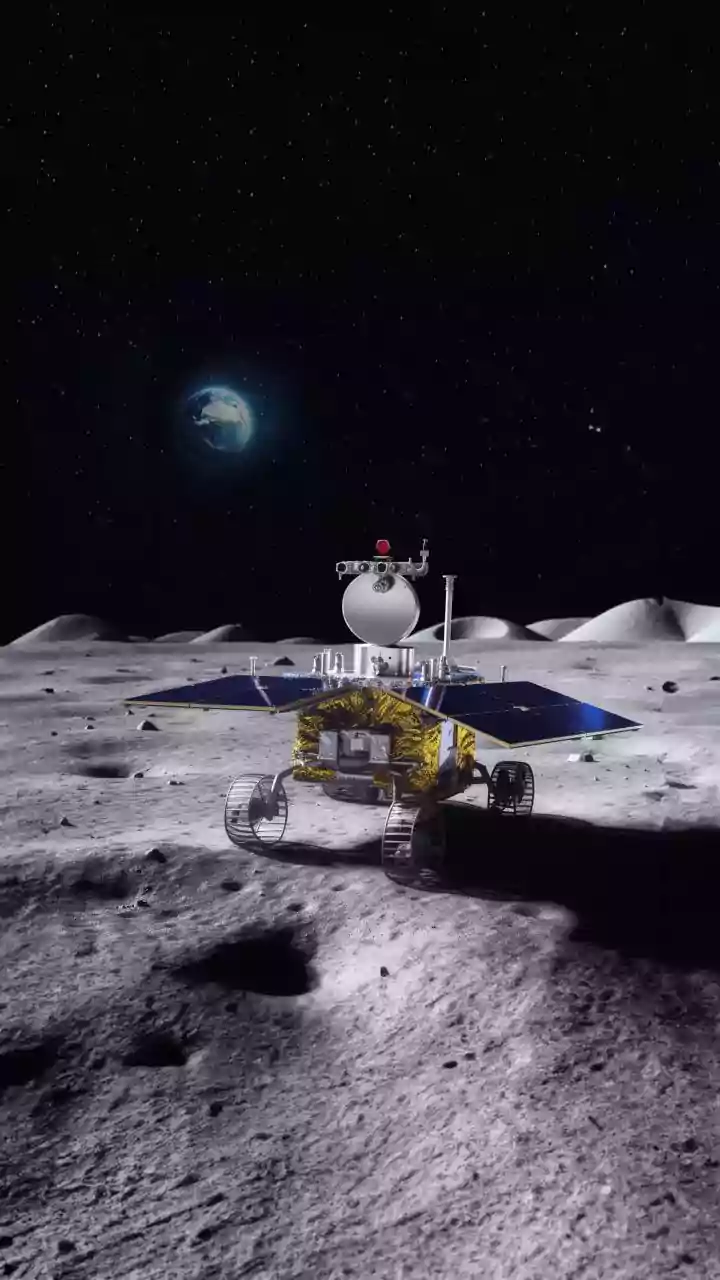
Much of the work on the Moon will be geology and resource prospecting. Two astronauts might spend their morning on an Extravehicular Activity (EVA), or 'moonwalk'. After donning their advanced spacesuits, they'd exit the habitat and board the Lunar Terrain Vehicle (LTV), an unpressurized rover designed for trips around the base camp. Their primary goal, especially near the South Pole, is to search for water ice in permanently shadowed craters. This involves collecting soil and rock samples, drilling cores, and deploying scientific instruments to analyze the lunar regolith. This isn't just a rock-collecting trip; finding accessible water ice is crucial for future long-duration missions, as it can be converted into breathable air and rocket fuel.
Surviving the Lunar Environment
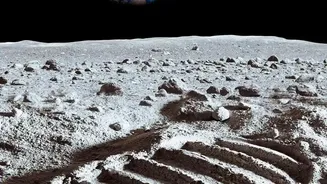
Life on the Moon is a constant battle against a hostile environment. One of the biggest threats is lunar dust, or regolith. These microscopic, razor-sharp particles are electrostatically charged, clinging to everything and posing a severe risk to both equipment and human health. Apollo astronauts reported 'lunar hay fever' from dust that made its way into the module, causing irritation to their eyes and lungs. Future missions will require advanced dust mitigation strategies. Radiation is another invisible danger. Without Earth's protective magnetic field and thick atmosphere, astronauts are exposed to high levels of cosmic and solar radiation, increasing long-term health risks. Habitats will need significant shielding, and astronauts will rely on forecasts to warn of dangerous solar storms.
Afternoon: Lab Work and System Checks
While one pair of astronauts is outside, the other two crew members work inside the habitat. Their afternoon could be spent in the lab, analyzing the samples brought back from the surface. The habitat functions as a research outpost, where they can study the unique properties of lunar materials and the effects of the environment on biological samples. A significant part of any day is dedicated to maintenance. Keeping the life support systems, power generators, and recycling equipment running is a matter of survival. This includes checking seals, cleaning filters clogged with abrasive dust, and ensuring the habitat's solar arrays or fission power systems are functioning optimally.
Mandatory Exercise and Downtime
Living in just one-sixth of Earth's gravity sounds fun, but it takes a heavy toll on the human body, leading to muscle atrophy and bone density loss. To counteract this, every astronaut must spend about two hours a day exercising. They use specialized equipment, like treadmills with harnesses and advanced resistance machines that create artificial loads to keep their bodies strong enough for an eventual return to Earth. After the day's tasks are complete, the crew has a few hours of personal time. This is crucial for psychological well-being. They might eat their evening meal together, read, watch movies, or spend time in the habitat's cupola, gazing at the distant, rotating Earth. High-speed communication links allow for regular video calls with family, helping to combat the profound sense of isolation.