



Fasting Flours and Grains
Many devotees observe a fast (vrat) on Janmashtami, abstaining from regular grains like wheat and rice. Your festive pantry should therefore include fasting-friendly flours. Look for Singhare ka Atta (water chestnut flour) and Kuttu ka Atta (buckwheat
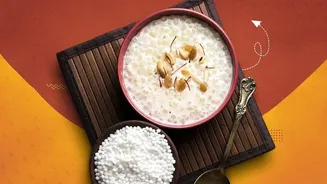
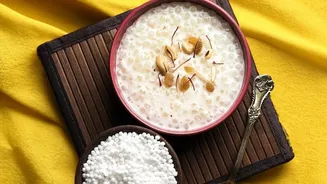
flour), which are perfect for making puris, chapatis, and pakoras. Rajgira ka Atta (amaranth flour) is another excellent option for making soft rotis or a nutritious sheera (halwa). For dishes that require a rice-like texture, stock up on Samak ke Chawal (barnyard millet). And no Janmashtami shopping list is complete without Sabudana (tapioca pearls), the versatile ingredient used to make everything from creamy kheer to savoury khichdi.
Essential Dairy and Sweeteners
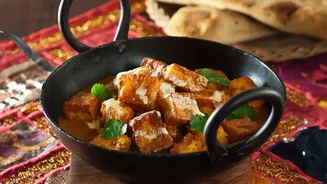
Lord Krishna’s stories are deeply intertwined with milk, butter, and other dairy products. Ghee is non-negotiable for frying puris and preparing most sweets and savoury dishes. Fresh milk is essential for making sweets like kheer and the sacred offering of Panchamrit. Be sure to have a good supply of plain yogurt (dahi) for making raita or a cooling beverage like lassi. Paneer is another staple you can use to prepare a simple, no-onion-no-garlic curry to accompany your puris. For sweeteners, you’ll need sugar or jaggery. It is also traditional to use Mishri (rock sugar) for preparing Makhan Mishri, a simple and beloved offering of fresh white butter mixed with sugar crystals.
Fresh Fruits and Vegetables
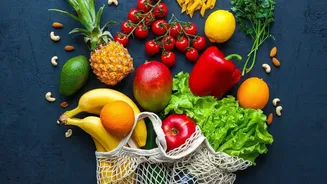
Fruits are a significant part of the Janmashtami bhog (offering). Bananas, apples, pomegranates, and seasonal fruits are commonly offered and consumed. For your savoury preparations, stock up on fasting-friendly vegetables. Potatoes are incredibly versatile and can be used to make a simple vrat-wale aloo sabzi, tikkis, or chaat (with vrat-friendly spices). Other vegetables to add to your cart include lauki (bottle gourd), arbi (colocasia), and sweet potatoes. A simple pumpkin (kaddu) sabzi is also a popular and delicious choice for a festive thali.
Spices, Nuts, and Herbs
During fasting, regular table salt is avoided. Make sure you have Sendha Namak (rock salt) for seasoning all your dishes. The key spices for vrat cooking are fairly minimal: stock up on jeera (cumin seeds), kali mirch (black peppercorns), and hari mirch (green chillies) for flavour. Ginger is also widely used. For sweets and prasad, you will need a few fragrant additions. Cardamom powder and saffron strands are used to flavour kheer and other milk-based desserts. No festive sweet is complete without a garnish of nuts, so pick up packets of almonds, cashews, and pistachios. Makhana (fox nuts) are a must-have for making a simple kheer or just roasting them in ghee for a light snack. Finally, don't forget fresh Tulsi leaves, as they are considered essential for any offering made to Lord Krishna.
Putting It All Together: A Simple Menu Idea
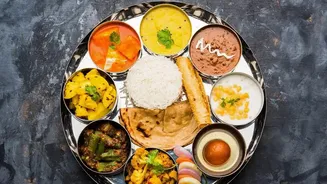
With a well-stocked pantry, you can easily put together a simple yet delightful Janmashtami thali. For your main meal, consider a combination of Kuttu ki Puri served with a comforting Aloo Tamatar Sabzi made with sendha namak. Alongside, you can have a bowl of cooling cucumber raita. For a sweet dish, a simple Sabudana Kheer or Makhane ki Kheer is both traditional and easy to prepare. And of course, small portions of Dhaniya Panjiri and Makhan Mishri can be prepared as the special prasad for the midnight puja. This menu is balanced, festive, and relies entirely on the ingredients listed, ensuring your celebration is both devotional and stress-free.