


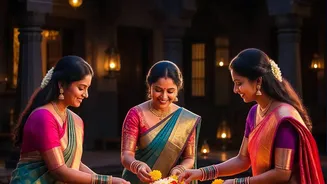
For over a billion people, Diwali represents the triumph of light over darkness. But 'Diwali' isn't one single festival; it's a rich tapestry of regional traditions. Away from home, Indian diaspora communities creatively adapt these unique customs.
Beyond a Monolithic Festival
When
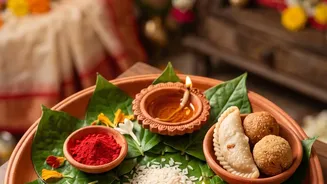
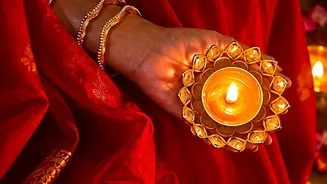
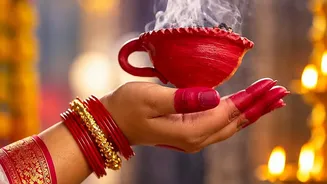
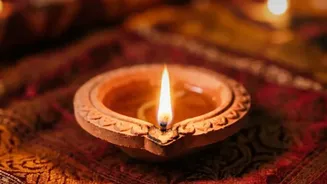
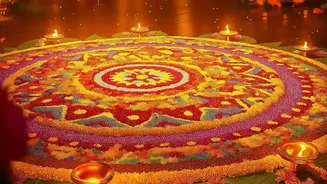
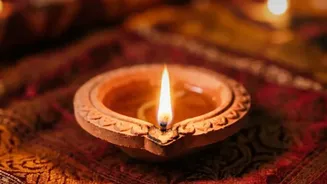
we think of Diwali, we often picture rows of glittering diyas and the worship of Goddess Lakshmi, traditions widely practiced in North India to welcome wealth and prosperity. This image, however, only scratches the surface. In reality, India celebrates the festival of lights in myriad ways, with each region having its own distinct stories, rituals, and significance. For example, while North India celebrates Lord Rama's return to Ayodhya, Southern India focuses on Lord Krishna's victory over the demon Narakasura. In West Bengal, the fierce Goddess Kali is the center of worship, not Lakshmi. For Sikhs, it coincides with Bandi Chhor Divas, celebrating Guru Hargobind's freedom. For Jains, it marks the day Lord Mahavira attained nirvana. For the diaspora, holding onto these specific regional identities while living thousands of miles from home becomes an act of cultural preservation and innovation.
From Bengali Pandals to Canadian Community Halls
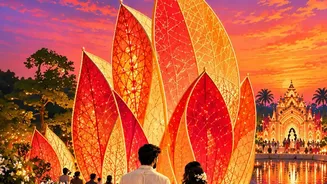
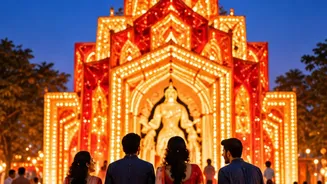
In West Bengal, the highlight of 'Deepabali' is Kali Puja, where communities erect elaborate temporary shrines, or pandals, to the powerful goddess. Worshippers offer red hibiscus flowers and meditate through the night. For Bengali communities in places like Toronto or London, recreating a massive pandal on a public street is often impractical. Instead, the spirit of the pandal is adapted. Community halls, temple basements, and even private homes are transformed with clay idols of Kali, often sourced from local artisans or shipped from India. The focus shifts from public spectacle to intimate community gathering, where families come together for prayers, share traditional foods, and ensure the next generation witnesses the fierce, feminine divine energy central to their heritage.
Southern Traditions: Oil Baths and Lehiyam
In Tamil Nadu and other parts of South India, Deepavali begins at dawn with a ritual oil bath, symbolizing a holy purification. A special medicinal concoction called 'Deepavali Marundhu' or 'Lehiyam' is consumed to aid digestion ahead of the feasting. For families in the US or UK, these traditions connect them directly to their roots. While sourcing the dozens of herbs for authentic lehiyam might be a challenge, many families create simplified versions using available ingredients or rely on recipes passed down and adapted. The oil bath remains a poignant, personal ritual performed within the family, a quiet moment of continuity that feels just as it would in Chennai or Madurai, linking generations across continents.
Maharashtrian Rituals Go Global
In Maharashtra, Diwali celebrations include unique traditions like Vasu Baras, where cows are worshipped, and the preparation of 'faral,' an assortment of sweet and savory snacks like chakli and karanji. For the Maharashtrian diaspora in Australia or the US, worshipping a cow may not be feasible. This ritual is often adapted symbolically. Families might visit a local farm, make a donation to a goshala (cow sanctuary) back in India, or create beautiful cow-themed rangoli art. The tradition of making faral, however, thrives. It becomes a major community activity, with families gathering for potlucks where everyone brings their specialty, creating a massive, diverse spread that celebrates their shared culture.
The Universal Language of Food and Fusion
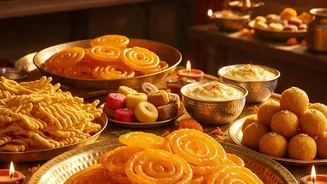
Across all regions, food is central to Diwali. But what happens when traditional ingredients are unavailable? Innovation is born. In the UK, mithai might get a modern twist with pistachio rose truffles or mango kulfi cheesecakes. In the US, you might find vegan gulab jamun or chai_spiced cookies. Gujarati farsan (savory snacks) like chakri and mathri are made in large batches and shared, but the recipes may be adjusted based on locally available flours. These adaptations are not a sign of dilution but of a living, breathing culture. They reflect the dual identity of diaspora members, who are adept at blending their Indian heritage with their new homes, creating new traditions that are both authentic and contemporary.