




The Foundation: Aromatic Scrap Stock
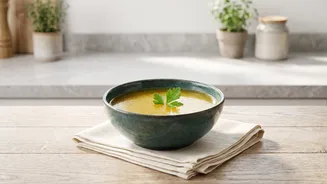
One of the easiest ways to use vegetable scraps is to make a flavourful stock. Keep a large bag or container in your freezer and add clean scraps as you cook. Good additions include onion ends and outer layers, carrot peels, celery ends, mushroom stems,
and leek tops. When your bag is full, empty the frozen scraps into a large pot, cover with water, and add aromatics like bay leaves or peppercorns. Bring to a boil, then simmer for at least 45 to 60 minutes. The longer it simmers, the richer the flavour will be. Once done, strain the liquid, and you'll have a delicious, homemade stock for soups, risottos, or sauces, all while controlling the salt content yourself.
The Snack: Crispy Vegetable Peel Chips
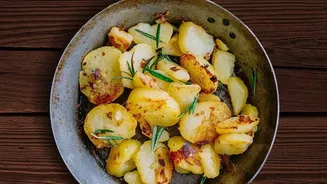
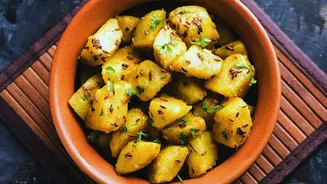
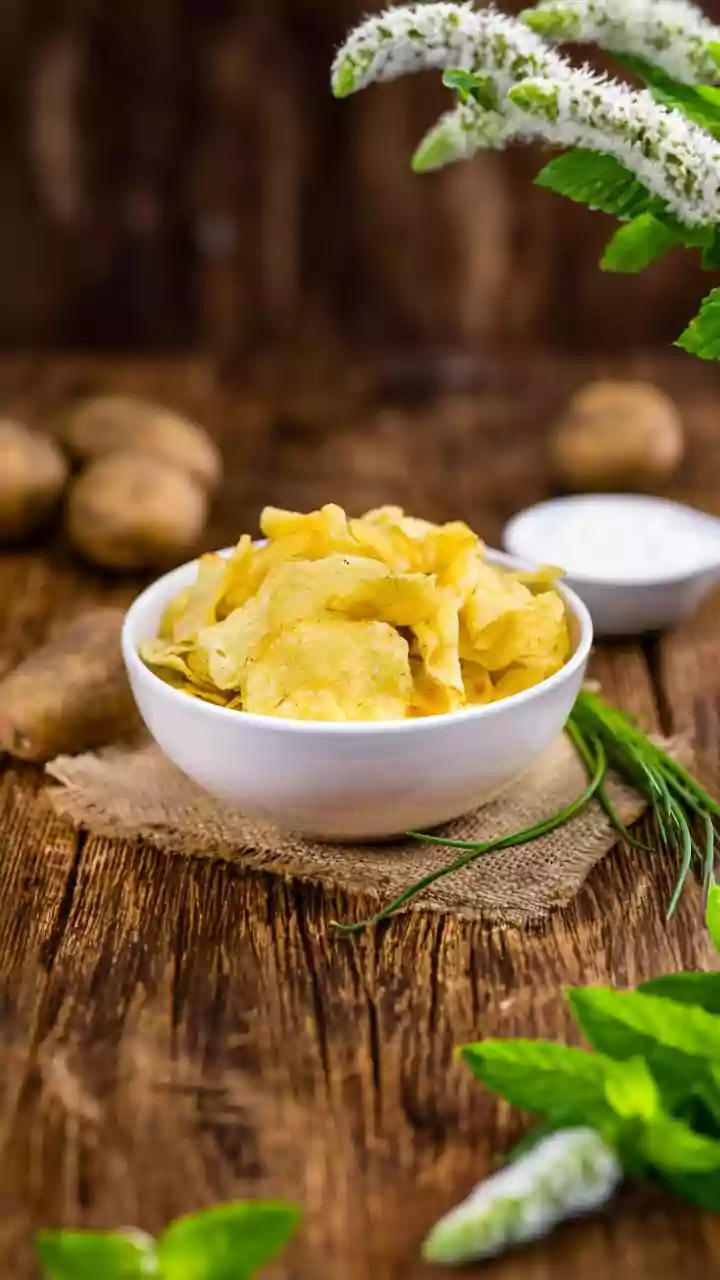
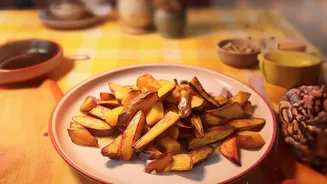
Don't throw away the skins from your potatoes, sweet potatoes, carrots, or parsnips. Instead, turn them into a crunchy snack. The key is to ensure the peels are thoroughly washed and dried. Toss them in a bowl with a light drizzle of olive oil and your favourite seasonings—smoked paprika, garlic powder, or just salt and pepper work wonderfully. Spread the seasoned peels in a single layer on a baking sheet or in an air fryer basket, being careful not to overcrowd them. Bake at around 200°C, checking frequently until they are golden and crisp. They will get even crunchier as they cool. Serve these addictive chips as a pre-dinner snack or use them as a crunchy topping for salads and soups.
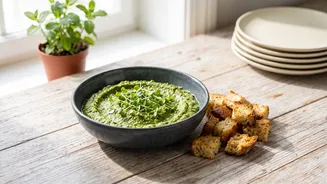
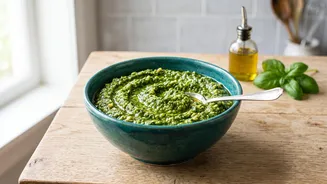
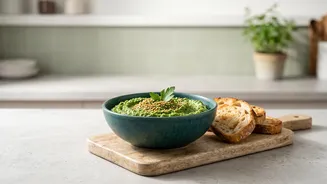
The Dip: Flavour-Packed Herb Stem Pesto
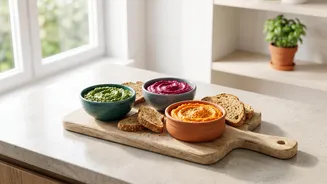
Tender herb stems, like those from parsley, coriander, and basil, are packed with just as much flavour as the leaves and are perfect for making dips and pestos. For tougher stems, blanching them for a minute in boiling water before shocking them in an ice bath can help soften their texture. To make a simple stem pesto, finely chop the stems and blend them in a food processor with garlic, nuts like walnuts or pine nuts, Parmesan cheese, and lemon juice. Slowly drizzle in olive oil while blending until you reach your desired consistency. This versatile pesto can be used as a dip, a sandwich spread, or a vibrant sauce for pasta.
The Flavour Boost: Infused Oils and Vinegars
Another fantastic way to use both herb stems and citrus peels is by infusing them into oils and vinegars. For herb oils, gently heat herb stems like rosemary or thyme in a neutral oil for about 15-20 minutes to extract their essence. For citrus-infused oils, simply place clean citrus zest strips into a jar, cover with a neutral oil, and let it steep in a cool, dark place for at least a week. The same process works for vinegars; add herb stems or citrus peels to a sterilised jar, cover with vinegar, and let it infuse. These flavour-packed liquids are perfect for making salad dressings or adding a finishing touch to roasted vegetables and meats.
The Garnish: Dehydrated Herb and Citrus Powders
Extend the life of your scraps by turning them into potent seasonings. You can dry leftover herb stems by hanging them in small bunches or arranging them on a tray in a warm oven. Once completely dry, grind them into a fine powder. This also works for citrus peels; simply dry them until brittle and then blend them into a zesty powder. You can combine these powders with salt to create unique finishing salts. A sprinkle of this homemade seasoning can add a burst of fresh, concentrated flavour to almost any dish, from roasted meats to simple pastas.