




A Sky Full of Wonder
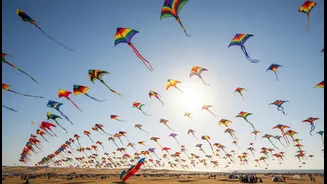
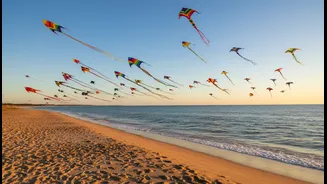
Each year, typically around the Independence Day weekend in August, the Tamil Nadu International Kite Festival (TNIKF) transforms the shoreline along the East Coast Road into a global stage. The event, first launched in 2022, brings professional kite
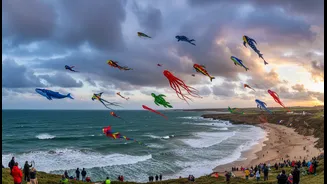
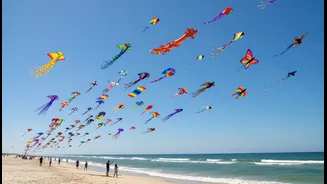
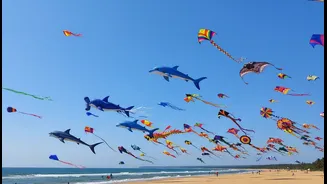
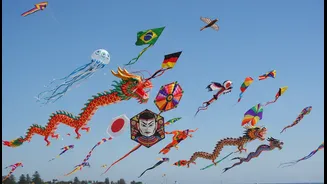
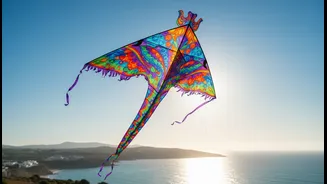
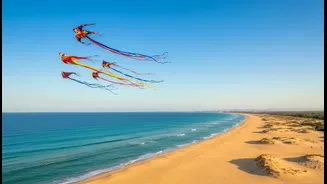
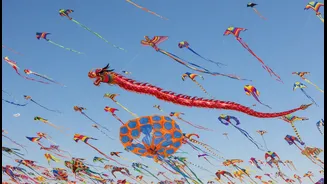
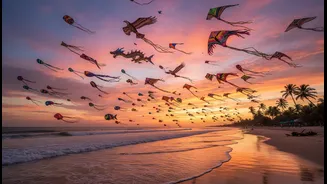
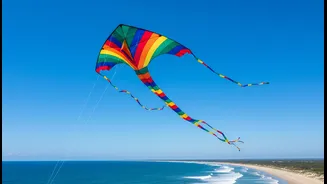
flyers from countries like France, Germany, Thailand, and Singapore to Mahabalipuram. They fill the sky with over 200 spectacular kites, ranging from giant 3D creations to those designed for acrobatic displays. These aren't just simple diamond shapes; past festivals have featured massive kites resembling dolphins and octopuses, flying under themes like marine conservation. For attendees, it is a breathtaking spectacle of colour and creativity against the backdrop of the Bay of Bengal.
More Than Just Kites
While the kites are the main attraction, the festival's success lies in its positioning as a complete family carnival. The organizers, Global Media Box, in partnership with the state's Department of Tourism, have designed an event that offers something for everyone. By day, families can explore numerous food stalls, and children can participate in kite-making workshops or enjoy a dedicated kids' carnival. As the sun sets, the focus shifts to live entertainment. The evenings are packed with performances from popular music acts and DJs, and the spectacle continues with mesmerizing LED night kite shows that illuminate the dark sky. This multi-faceted approach ensures that the event draws crowds long after the daytime kite flying has ended, making it an all-day affair.
A New Wave for Coastal Tourism
The kite festival is a cornerstone of a larger strategic vision for Tamil Nadu. For years, the state's tourism identity has been anchored by its magnificent temples and rich spiritual heritage. While immensely valuable, officials recognized that the state's 1,076-kilometre coastline remained a largely untapped asset. Events like the TNIKF are part of a deliberate push to diversify, creating new reasons for tourists to visit. According to tourism officials, the goal is to develop and promote lesser-known destinations and create new experiences beyond the conventional heritage circuits. By establishing a signature international event on the coast, Tamil Nadu is signaling its ambition to become a year-round destination for a wider variety of travelers, including families and adventure seekers.
The Mahabalipuram Model
The choice of Mahabalipuram, a UNESCO World Heritage Site, as the primary venue is a masterstroke. It creates a unique synergy, allowing visitors to experience a vibrant, modern festival while being surrounded by ancient rock-cut monuments and temples from the Pallava dynasty. This blend of old and new is a powerful draw for both domestic and international tourists. The festival's success provides a blueprint for how other coastal towns can be developed. The economic benefits are clear, with thousands of visitors flocking to the area, filling hotels and supporting local restaurants, artisans, and businesses. This model demonstrates that with strategic event planning, Tamil Nadu can leverage its existing cultural capital to build new, sustainable tourism economies along its coast.