


What Are Sodium-Ion Batteries?
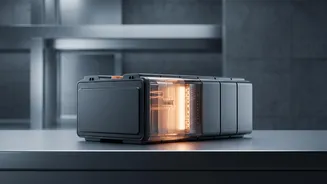
At its core, a sodium-ion battery works much like the lithium-ion batteries that power our phones and current EVs. It stores and releases energy by moving ions between a positive and negative electrode. The crucial difference, however, lies in the raw
materials. Instead of using lithium, which is relatively scarce and geographically concentrated, this technology uses sodium—an element abundantly available across the globe, including in common salt. This simple substitution has profound implications, moving the technology from the lab to the forefront of commercial interest. Companies can even use much of the same manufacturing equipment for lithium-ion batteries to produce sodium-ion cells, simplifying the industrial transition.
The Cost Advantage for India
The single biggest benefit for the Indian market is the potential for significant cost reduction. Lithium, nickel, and cobalt are expensive and their prices are volatile, making EV batteries the most expensive component of the vehicle. Sodium, on the other hand, is one of the most abundant elements on Earth, making it inherently cheaper. Pune-based tech firm KPIT, a key player in this space, estimates that its sodium-ion technology could lower battery costs by 25-30% compared to equivalent lithium-ion packs. This cost reduction is vital for a price-sensitive market like India, making it possible to produce more affordable electric two-wheelers, three-wheelers, and entry-level cars that a larger segment of the population can afford.
Securing the Supply Chain
India's heavy reliance on imported lithium-ion cells and raw materials, primarily from China, creates significant economic and geopolitical risks. Developing a domestic sodium-ion battery ecosystem aligns perfectly with national initiatives like 'Make in India' and Atmanirbhar Bharat (self-reliant India). By leveraging locally abundant sodium, India can dramatically reduce its import dependency, insulate itself from global supply chain disruptions, and build a resilient domestic manufacturing base. This strategic shift not only strengthens energy security but also creates a massive opportunity for Indian industries to become global suppliers in a new energy economy.
Performance and Safety Suited for India
Early concerns about the performance of sodium-ion batteries are quickly being addressed by innovators. While their energy density (the amount of energy stored per kilogram) is currently slightly lower than high-end lithium-ion batteries, it is already comparable to the widely used Lithium Iron Phosphate (LFP) batteries. Furthermore, sodium-ion technology excels in other key areas. It boasts faster charging capabilities, with some prototypes charging significantly in minutes. These batteries also have a longer lifespan, with some demonstrating capacity for 3,000 to 6,000 charge cycles. Crucially for India's diverse climate, they perform exceptionally well across a wide temperature range, from sub-zero conditions to extreme heat, and are inherently safer with a lower risk of thermal runaway or fire.
Who Is Leading the Charge?
Several Indian companies and research institutions are at the forefront of this revolution. Reliance Industries made a significant move by acquiring UK-based sodium-ion pioneer Faradion for GBP 100 million, with plans to use the technology in its battery giga-factory in Jamnagar. KPIT Technologies, in collaboration with the Indian Institute of Science Education and Research (IISER) Pune, has developed its own proprietary sodium-ion technology and is seeking partners for mass production. Startups like Indi Energy are also making strides by creating anodes from agricultural waste, tackling both energy and pollution challenges simultaneously. Other companies like Sodion Energy have also unveiled products targeting both vehicles and stationary storage.
The Road Ahead
Despite the immense promise, challenges remain. The primary hurdle is scaling up manufacturing to achieve the cost benefits that make the technology so attractive. While sodium as a raw material is cheap, establishing a complete domestic ecosystem—from processing hard carbon for anodes to manufacturing electrolytes—requires significant investment and policy support. The energy density, while improving, may still not be suitable for long-range, high-performance luxury EVs, but it is more than adequate for the mass-market segments of city cars, scooters, and commercial vehicles that form the backbone of Indian mobility.