







The Downside of the Desk Job
A sedentary routine, where you spend most of your waking hours sitting, is associated with a higher risk of chronic health issues. This prolonged sitting can lead to poor circulation, back pain, and a slower metabolism. The human body is designed for
movement, and when it remains still for extended periods, both physical and mental performance can decline. Many office workers experience this as mid-day fatigue, trouble focusing, and a general feeling of sluggishness. The challenge is finding sustainable ways to counteract these effects without disrupting a demanding work schedule.
Why Gentle Movement Is So Powerful
The idea that exercise must be punishing to be effective is a common misconception. Low-intensity steady-state (LISS) exercise, like brisk walking and light cycling, provides significant health benefits. This type of activity improves cardiovascular health, helps manage blood sugar, and boosts circulation. Research shows that replacing even small amounts of sitting time with light-intensity activity can lower health risks, especially for those who are largely sedentary. The goal is consistency over intensity. These gentle activities are easier on the joints and more sustainable in the long run, making them a perfect starting point for office workers.
Brisk Walking: The Ultimate Accessible Workout
Walking is perhaps the most underrated form of exercise. A brisk walk—fast enough to raise your heart rate but still able to hold a conversation—is a powerful tool for fitness. Regular walking helps burn calories, improve posture, and reduce back and neck pain by keeping your spine mobile. It also strengthens bones and muscles and enhances circulation. Beyond the physical, walking is a proven mood booster, releasing endorphins that help reduce stress and improve mental clarity. Studies have found that even a five-minute walk every hour can significantly improve mood, reduce fatigue, and sharpen focus.
Low-Intensity Cycling: Gentle on Joints
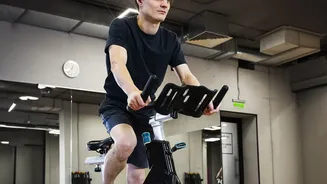
Cycling is another excellent low-impact option. Whether on a stationary bike at home or commuting to the office, it provides a great cardiovascular workout without stressing the joints, making it ideal for people of all fitness levels. Low-intensity cycling engages major muscle groups in the legs and core, improves blood flow, and can contribute to weight management over time. Using an under-desk bike can be a game-changer, allowing you to pedal gently while you work, turning idle time into productive movement that boosts energy and focus.
Making It a Habit in Your Workday
The key to success is integrating these activities into your existing routine. Consider a brisk walk during your lunch break or pacing while on a phone call. If possible, cycling to work is a fantastic way to combine your commute with exercise. A recent study highlighted that taking a five-minute walking break every hour offers a great balance of movement without interrupting workflow. You can also break up your activity into smaller, more frequent bursts. The cumulative effect of these 'movement snacks' throughout the day is significant and can help you feel more energised and focused from morning to evening.