


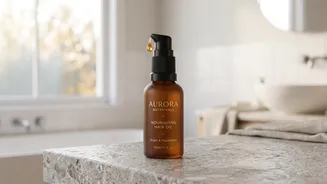
As temperatures drop, you might notice your skin feeling tight and dry. Your scalp is no exception. The cold, crisp air and indoor heating can strip its natural moisture, leaving it unbalanced, itchy, and in need of some extra care.
The Winter Effect on Your Scalp
The shift to colder
weather brings a double threat to your scalp's health: cold, dry air outside and warm, dry air inside. Low humidity in the atmosphere pulls moisture from your skin, including your scalp, through a process called transepidermal water loss. This weakens the skin's protective barrier, leading to tightness and irritation. Central heating systems make matters worse by further reducing the humidity indoors, creating an environment where your scalp constantly loses moisture. This can lead to a familiar cycle of itchiness, flaking, and general discomfort that many people mistake for simple dandruff.
Why Your Natural Oils Struggle
Your scalp produces a natural oil called sebum, a complex mixture of fats and waxes that moisturizes the skin and protects the hair follicle. Sebum is your body’s built-in conditioner. However, its effectiveness is temperature-dependent. At normal body temperature, sebum is a fluid that travels easily from the follicle down the hair shaft. But as the surface temperature of your scalp drops in the cold, sebum can become more viscous and waxy. This 'candle wax' effect means the oil can solidify near the pore, failing to moisturize the rest of your scalp and hair, leading to the paradox of congested roots and dry, brittle ends.
Start with a Gentle Routine
Replenishing your scalp’s moisture barrier doesn't always mean adding more product; often, it starts with taking less away. Over-washing, especially with harsh, sulfate-based shampoos, can strip the scalp of its essential sebum. Similarly, very hot showers might feel comforting, but they also strip natural oils from your skin and hair. During colder months, consider washing your hair slightly less often and switch to a gentler, sulfate-free cleanser. Use lukewarm water instead of hot, and make sure to fully rinse out all product to prevent buildup that can cause further irritation.
The Power of Scalp Massage
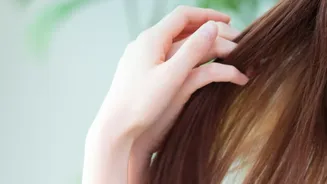
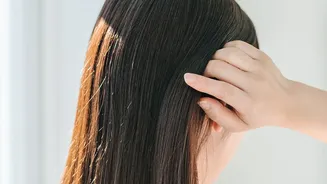
One of the most effective ways to help your scalp is entirely free: massage. Gently using your fingertips to massage your scalp in small, circular motions does two critical things. First, it boosts blood circulation, which delivers more oxygen and nutrients to the hair follicles. Second, the physical motion helps to manually distribute your scalp’s natural oils, moving that thickened sebum away from the roots and down the hair shaft where it's needed most. This simple act can relieve tightness, reduce flakiness by loosening dead skin cells, and restore a healthy balance without making hair greasy.
Choosing the Right Replenishing Oils
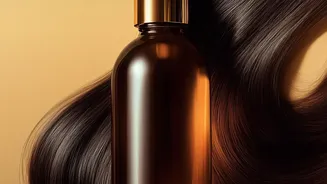
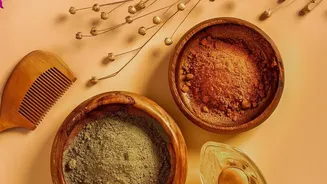
When your natural oils aren't enough, adding an external oil can provide significant relief. The key is to choose one that works with your scalp, not against it. Jojoba oil is a popular choice because its molecular structure is remarkably similar to human sebum, allowing it to absorb easily and help balance oil production. Argan oil is another lightweight option rich in antioxidants that provides deep hydration without a heavy residue. For more intense dryness, almond or avocado oils can offer deeper moisturization. These oils help seal the hair cuticle and form a protective barrier on the scalp to lock moisture in.
How to Apply Oils for Best Results
A little goes a long way when it comes to scalp oiling. Using too much can attract dirt and cause buildup. For most people, a pre-shampoo treatment is ideal. Apply a few drops of your chosen oil directly to the scalp and massage it in for several minutes. Let it sit for at least 20–30 minutes (or even overnight for very dry scalps) before shampooing and conditioning as usual. This gives the oil enough time to nourish the skin and loosen any dry flakes. If you have very fine hair, focus the oil primarily on the scalp to avoid weighing your strands down.