








The Cabin Is a Community, Not Your Cubicle
An airplane is a temporary, high-density community. We sit shoulder-to-shoulder with strangers for hours, bound by an unspoken social contract to make the shared experience as pleasant as possible. We keep our voices down, respect armrest boundaries,
and try not to recline into someone's lunch. The arrival of Wi-Fi has introduced a digital layer to this contract. Suddenly, the cabin isn't just a physical space but a shared digital one, too. Using that connection without considering your neighbours is the modern equivalent of blasting music without headphones. It transforms a tool of convenience into a source of collective annoyance and disruption, fundamentally misunderstanding the environment you're in. The core of in-flight etiquette is awareness, and that now extends to our online behaviour.
The Bandwidth Battle at Cruising Altitude
Before we even get to social rules, there's a technical reality to consider: airplane Wi-Fi is a finite and fragile resource. Whether it's a ground-based system or a satellite connection, the total available bandwidth for the entire plane is limited and must be shared among all connected passengers. Even with newer, faster systems like LEO satellites becoming more common, the connection can be inconsistent. When one person decides to stream a 4K movie or upload a massive presentation, they are effectively taking a disproportionate slice of the digital pie. This can slow the connection to a crawl for everyone else, preventing them from sending a simple text message or loading a critical email. Being a good digital citizen in the air means treating the bandwidth like a shared utility, not an all-you-can-eat buffet.
Keep These Tasks Grounded
With the principles of shared space and limited bandwidth in mind, some activities are simply not meant for the air. The most egregious offender is the voice or video call. Many airlines and government regulations outright prohibit VoIP services like Zoom, FaceTime, or Teams calls during flight for good reason. Hearing one side of a business negotiation or a loud family chat shatters the relative quiet of the cabin. It’s invasive and inconsiderate to those around you. Beyond calls, high-bandwidth activities should be avoided. This includes streaming high-definition video and initiating large file downloads or uploads. Most streaming services allow you to download content before you fly; this is the perfect time to use that feature. Save that massive file sync for the hotel Wi-Fi.
The Over-the-Shoulder Problem
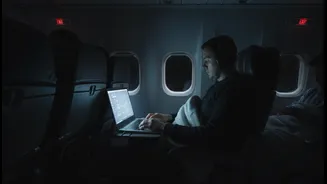
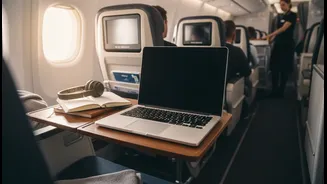
Another crucial aspect of in-flight digital etiquette is visual privacy—for both you and your seatmates. The person sitting next to you, and potentially the people behind you, can see your screen. Working on a confidential business proposal, reviewing sensitive HR documents, or scrolling through personal photos is a risky proposition. Likewise, no one wants an unwilling front-row seat to gory video game scenes or other potentially disturbing content. This extends to the security of your data. Public Wi-Fi networks are notoriously insecure, and in-flight networks are no exception. Hackers can set up rogue networks or exploit unsecured connections to access your data. It's wise to avoid logging into bank accounts or handling any highly sensitive information unless you are using a reliable VPN.
The Smart In-Flight Workflow
So, what is in-flight Wi-Fi good for? Plenty. It’s ideal for low-bandwidth, asynchronous tasks. Catching up on emails, sending messages via apps like WhatsApp, and light web browsing are perfect uses. You can read the news, scroll through social media, or plan your activities for when you land. A great strategy for productivity is to do the bulk of your work offline. Write your reports, edit your presentations, and compose your lengthy emails in an offline document editor. Then, once you're ready, connect to the Wi-Fi for the brief period needed to send your messages and sync your files. This approach minimizes your impact on the shared network while still allowing you to be productive. It respects the technology's limitations and, more importantly, respects your fellow passengers.