





The Endless Digital Aisle
Social media is no longer just for connecting with friends; it has become a sprawling digital marketplace where entertainment and e-commerce merge. Platforms like Instagram, TikTok, and Pinterest have evolved into powerful discovery engines for fashion,
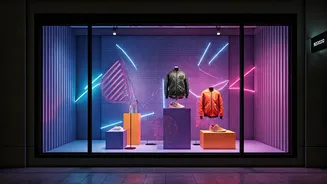
effectively replacing the traditional mall crawl. Instead of walking past a few dozen storefronts, consumers now scroll through a virtually infinite aisle of clothing, accessories, and trends curated by algorithms and influencers. This shift from physical browsing to digital discovery is redefining the retail landscape, creating a new normal where your feed is the ultimate window display. The convenience is unparalleled: users can discover, evaluate, and purchase items without ever leaving the app. This seamless integration has blurred the lines between content and commerce, turning passive scrolling into active shopping.
Your Algorithmic Personal Shopper
At the heart of this new shopping experience are sophisticated AI algorithms that act as personal stylists. These systems analyse your browsing history, likes, follows, and even how long you linger on a video to build a hyper-personalised shopping feed. The result is an experience far more tailored than any human sales assistant could offer. This 'discovery commerce' model, as TikTok calls it, shows you products you might like before you even know you're looking for them. This level of personalisation boosts purchasing confidence and can increase revenue for brands significantly. Furthermore, the rise of the creator economy in India and globally has added a human layer to this technology. Fashion influencers and creators act as trusted guides, demonstrating how clothes fit and feel in real-time, effectively becoming the new sales associates. A 2026 report by Google and Deloitte projects that by 2030, one in three retail purchases in India will be influenced by a creator.
From 'Like' to 'Buy' in Seconds
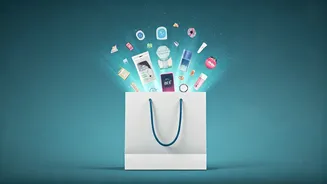
The genius of the social media mall is its reduction of friction between inspiration and transaction. Features like Instagram Shops, TikTok Shop, and shoppable pins allow for in-app checkout, meaning a purchase can be completed with just a few taps. This streamlined process capitalises on the impulse nature of fashion buying, which is often driven by seeing a trend or a styled outfit. Another major driver is livestream shopping, which blends the real-time engagement of a QVC-style broadcast with the community feel of social media. During these live events, hosts can try on outfits, answer questions from the audience, and offer limited-time discounts, creating a sense of urgency and excitement. The global live commerce market is projected to exceed $1 trillion by 2026, with fashion and apparel being the top category.
More Than a Store: The Community Factor
Shopping has always been a social activity, and digital malls are no different. Viral trends and hashtag challenges like #TikTokMadeMeBuyIt turn shopping into a participatory cultural event. Users don't just buy products; they share their hauls, style their looks, and become part of a global conversation. This user-generated content feels more authentic and relatable than traditional advertising, building trust and driving sales. In India, the creator economy is a significant force, with an estimated 2 to 2.5 million monetized creators influencing over 30% of consumer purchase decisions. This community-driven model is especially powerful in bringing new shoppers from Tier-2 and Tier-3 cities into the world of e-commerce, as recommendations from trusted regional creators often carry more weight than big-brand marketing.