




A New Era for Indian Space
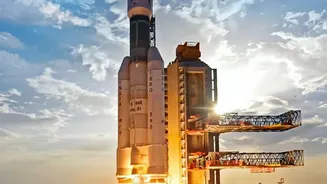
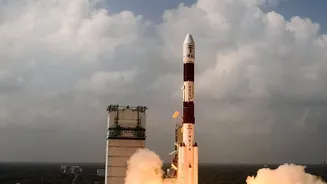
For decades, the Indian Space Research Organisation (ISRO) was the sole custodian of India's space ambitions. With triumphs like the incredibly cost-effective Mars Orbiter Mission and the successful Chandrayaan-3 lunar landing, ISRO established India as a major
spacefaring nation. Now, the landscape is dramatically changing. The Indian government has opened the doors to private enterprise, fostering a vibrant ecosystem of over 300 space-tech startups. This policy shift, spearheaded by agencies like IN-SPACe, aims to transition ISRO’s focus towards deep-space R&D while allowing private firms to handle commercial activities like building rockets and satellites. This move is designed to unleash innovation and attract significant private investment, positioning India as a global hub for commercial space ventures.
The Rise of the Budget Rover
At the heart of this new commercial push is the development of lunar rovers. While NASA's rovers can cost hundreds of millions of dollars, Indian startups are pioneering a frugal engineering approach. This isn't a new concept for India; the Chandrayaan-3 mission itself cost an estimated $74 million, less than many Hollywood blockbusters. The philosophy is about simplification, using commercially available components where possible, in-house design of critical systems, and a relentless focus on avoiding waste. Startups are leveraging India's strengths in software and precision engineering to build capable, lightweight rovers at a fraction of the traditional cost. For example, Noida-based Omnipresent Robot Technologies developed the advanced navigation software for ISRO's own Pragyan rover, demonstrating the crucial role startups already play.
Meet the Lunar Pioneers
While many Indian startups focus on launch vehicles and satellites, a few are setting their sights directly on the Moon. A notable early pioneer was TeamIndus, which competed for the Google Lunar XPRIZE and developed its own spacecraft and rover. Though the mission did not launch, it proved that a private Indian entity could design a complex lunar mission, attracting investment from luminaries like Ratan Tata and Nandan Nilekani. Today, other companies are carrying the torch. ORBITBeyond, a US-based company with a major presence in Odisha, is actively designing lunar landers and rovers in India, drawing on talent from past ISRO and international moon missions. Similarly, Kepler Aerospace, founded by ISRO veterans, has a co-founder with experience developing a lunar nano-rover, showcasing the depth of talent entering the private sector.
Finding a Ride to the Moon
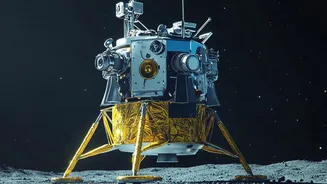
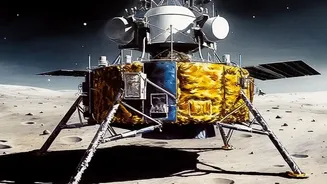
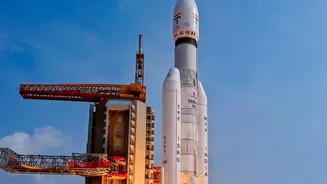
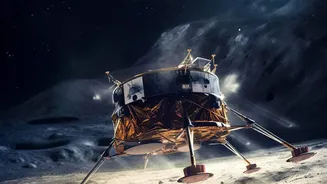
Building a rover is only half the challenge; it needs a ride on a lunar lander. This is where the commercial ecosystem truly comes alive. Indian startups are not just developing rovers for potential national missions but are targeting a global market. NASA’s Commercial Lunar Payload Services (CLPS) program, which pays private companies to ferry scientific instruments to the moon, represents a massive opportunity. Companies like ORBITBeyond are already certified CLPS providers, creating a direct pathway for Indian-built hardware to reach the lunar surface. Furthermore, as Indian startups like Skyroot Aerospace and Agnikul Cosmos develop their own private launch vehicles, the possibility of an entirely private, end-to-end Indian moon mission—from rocket to lander to rover—moves closer to reality.
India's Role in the Cislunar Economy
The development of budget rovers is more than just a technological feat; it is a strategic play for a dominant role in the emerging cislunar economy—the sphere of economic activity between Earth and the Moon. With over 90 lunar missions planned globally in the next decade, there is a burgeoning market for reliable, low-cost hardware and services. By becoming a supplier of key components like rovers, India can transform its space sector from a national program into a major export industry. This creates high-tech jobs, spurs related industries in robotics and AI, and solidifies India's reputation as the go-to destination for frugal yet sophisticated engineering. The global space economy is projected to be worth over a trillion dollars in the coming years, and these startups are ensuring India gets a significant share of the pie.