





The Science of Steam: A Double-Edged Sword
During the first few minutes of baking, steam is your best friend. In bread making, for instance, steam keeps the surface of the dough moist and flexible. This delays the formation of a hard crust, allowing the bread to expand fully in the oven's heat—a
process known as "oven spring." This initial burst of steam is crucial for achieving a light, open crumb and a beautifully risen loaf. However, the moment your creation comes out of the oven, that same helpful steam becomes a liability. As the bread, pie, or pizza begins to cool, the moisture still inside it needs to escape. If this water vapour gets trapped, it will migrate outwards and rehydrate the very crust you worked so hard to make crisp, turning it soft and sometimes even gummy.
Why Cooling on a Wire Rack Is Non-Negotiable
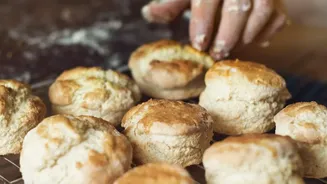
The single most important step to prevent a soft crust is proper cooling. Placing a hot loaf of bread or a freshly baked pie directly on a solid surface like a countertop or a cutting board traps heat and moisture underneath it. This is where the dreaded sogginess begins. A wire cooling rack is an essential tool because it allows air to circulate freely around the entire surface of your baked good. This circulation wicks away the escaping steam, allowing the crust to dry out and remain firm and crispy. For breads, you should hear a distinct crackle as it cools on the rack—a sure sign that moisture is escaping and the crust is setting perfectly. Never wrap or cover a loaf while it's still warm; this traps steam and is a guaranteed way to soften the crust.
Tips for Breads, From Crusty to Sandwich
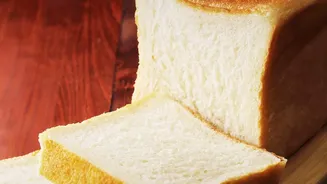
For artisan-style loaves with a thick, shattering crust, ensuring the bread is baked long enough is key. An underbaked loaf will retain too much internal moisture, which will inevitably soften the crust as it cools. Some bakers even recommend turning off the oven after the bread is done, cracking the door open, and letting the loaf cool slowly inside the residual dry heat to help draw out more moisture. For softer sandwich breads, where you might actually want a less formidable crust, some of the same principles apply in reverse. Intentionally trapping some steam by covering the loaf with a towel as it cools can help soften the exterior.
Preventing Soggy Bottoms on Pizzas and Pies
Pies and pizzas present a unique challenge because their wet fillings or toppings are a constant source of moisture. The key here is to create a barrier and ensure the bottom crust cooks quickly. For pies with very wet fillings, like fruit or custard, a technique called "blind baking" is highly effective. This involves pre-baking the empty pie shell so it has a chance to set and brown before the filling is added. You can also create a moisture-proof seal by brushing the bottom of the crust with a beaten egg white before filling it. For pizzas, a very hot baking surface is your best defence. Preheating a pizza stone or steel to a high temperature helps cook the dough from the bottom up almost instantly, setting the crust before it has a chance to become saturated by the sauce and toppings.
The Right Way to Store for Lasting Crispness
Once your baked goods have cooled completely—and this can take several hours for a large loaf of bread—storage becomes the next frontier in the battle against softness. Storing crusty bread in plastic is a mistake, as it traps any residual moisture and will soften the crust. A paper bag or a bread box is a much better option, allowing the bread to breathe while still offering protection. For leftover pie, especially fruit pies, storing it in the refrigerator can help. The cold temperature slows down the migration of moisture from the filling into the crust. If you plan to keep bread for more than a few days, freezing is the best method. Wrap it tightly in foil or a freezer-safe bag once it has fully cooled. When you're ready to eat it, a few minutes in a hot oven will bring its crispy crust right back to life.