


Why Smoke Point Matters
Before we compare, let's talk heat. The 'smoke point' is the temperature at which a fat stops shimmering and starts smoking. When an oil or fat is heated past this point, it begins to break down, losing nutritional benefits and creating harmful compounds
that you don't want in your food. Given that Indian cooking often involves high-heat techniques like tadka (tempering), stir-frying, and deep-frying, choosing a fat with a stable, high smoke point is crucial for both taste and health.
The Case for Ghee: Tradition Meets High Heat
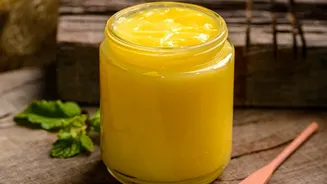
Ghee, or clarified butter, is a cornerstone of Indian cuisine for a reason. By removing the milk solids and water from butter, the clarification process creates a fat with an impressively high smoke point of around 250°C (482°F). This makes it exceptionally stable for high-heat cooking, from searing paneer to deep-frying samosas. Nutritionally, ghee is a source of fat-soluble vitamins like A, D, E, and K. Ayurvedic tradition values it as a food that supports digestion and vitality. The modern trend of infusing ghee with herbs or garlic adds a flavour dimension but doesn't significantly alter its core cooking properties, making it a versatile and rich choice.
The Power of Cold-Pressed Oils
Cold-pressed oils are extracted from seeds or nuts using a mechanical press without high heat or chemical solvents. This gentle process helps retain more of the oil's natural flavour, antioxidants, and nutrients. Popular choices in India include mustard, coconut, groundnut (peanut), and sesame oil. However, their smoke points vary. While cold-pressed mustard oil can have a relatively high smoke point (around 190-210°C), others like extra virgin olive oil are lower and best suited for low-to-medium heat cooking or dressings. The main advantage of these oils is their fatty acid profile, often rich in heart-friendly monounsaturated and polyunsaturated fats.
Head-to-Head: Ghee vs. Oils
So which should you choose? For very high-heat cooking like deep-frying, ghee is often the winner due to its superior stability at high temperatures. Cold-pressed oils, while nutritious, can break down and lose their health benefits if heated beyond their specific smoke points. In terms of nutrition, it's a tie with different strengths. Ghee offers butyric acid and fat-soluble vitamins, while cold-pressed oils provide different antioxidants and beneficial fatty acids like Omega-3s in mustard oil. Flavour-wise, ghee imparts a rich, nutty taste, whereas oils like mustard or coconut bring their own distinct character to a dish. For vegan diets, cold-pressed oils are the clear choice.
The Best Approach: A Balanced Kitchen
Ultimately, the healthiest and most practical approach is not to pick one winner but to use both. There is no single healthiest oil or fat. Many nutrition experts and doctors now recommend rotating your cooking oils to get a wide range of nutrients. A smart strategy for the modern Indian kitchen is to have a versatile arsenal of fats. Use ghee for high-heat applications, preparing sweets, or adding richness to dal and rotis. Use robust cold-pressed oils like mustard or groundnut for everyday sabzis and tadkas, being mindful of their heat limits. Reserve delicate oils for dressings and drizzling. By matching the fat to the food and the cooking method, you get the best of both worlds: flavour and nutrition.