


From Kitchen Scrap to Liquid Gold
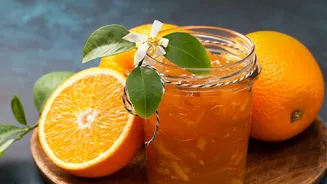
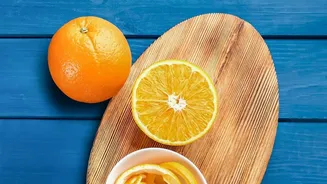
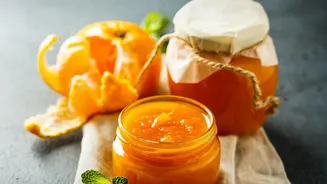
Embracing a zero-waste kitchen is less about grand gestures and more about small, impactful habits. Turning leftover orange peels into marmalade is a perfect example. Not only does it reduce food waste, but it also taps into the natural genius of the fruit
itself. The peel, pith, and membranes of citrus fruits are naturally rich in pectin, the gelling agent that makes jams and jellies set. This means you can create a beautifully textured marmalade without needing to add commercial pectin. The entire process celebrates using the whole fruit, transforming what is often considered trash into a delicious, tangy treasure that holds nutritional benefits often discarded.
Gathering Your Simple Ingredients
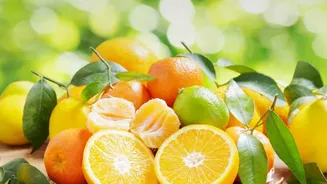
The beauty of this recipe lies in its simplicity. You don't need a long list of specialty items, just the basics that are likely already in your kitchen. For a small batch, you will need the peels from about four to six large oranges, granulated sugar, water, and the juice of one lemon. The lemon juice is crucial as it helps the natural pectin to set properly by creating the right acidic environment. While any orange variety works, navel or Valencia oranges are popular choices. If you can, opt for organic oranges since you will be using the entire peel. For equipment, you'll want a sturdy, heavy-bottomed pot, a sharp knife for slicing, a measuring cup, and clean glass jars with lids for storage.
The Key Step: Preparing the Peels
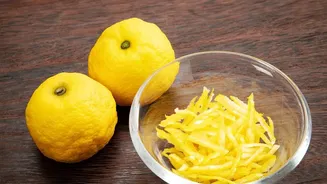
Proper preparation is the most hands-on part of the process, but it’s what ensures your marmalade has the perfect texture. First, thoroughly wash the orange rinds. Then, with a sharp knife, slice the peels into thin, uniform strips. The thickness is a matter of preference; some prefer chunky, robust pieces, while others like delicate, thin slivers. A common issue with homemade marmalade is excessive bitterness from the white pith. To mellow this out, many recipes recommend a pre-boiling step. Place your sliced peels in the pot, cover them with water, bring to a boil, and let them simmer for about 10-15 minutes. Drain the water and repeat the process. This blanching technique softens the peels and removes much of the bitterness, resulting in a more balanced flavour.
Simmering to the Setting Point
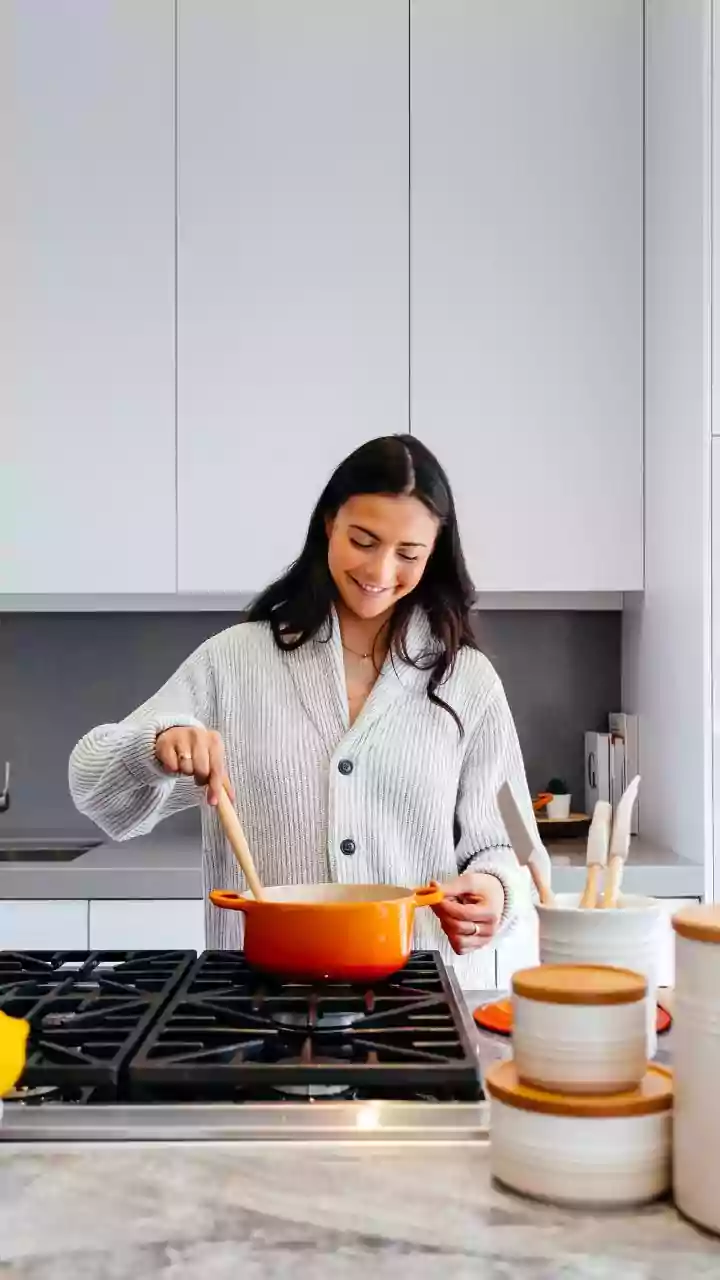
After preparing the peels, return them to the pot. Add fresh water, the sugar, and the lemon juice. Bring the mixture to a simmer over medium heat, stirring until the sugar completely dissolves. Once the sugar is dissolved, increase the heat and bring it to a rolling boil. Let it cook rapidly, stirring occasionally to prevent it from sticking or scorching. The mixture needs to reach its setting point, which typically occurs around 105°C (220°F). If you don't have a candy thermometer, you can use the classic freezer test. Before you start boiling, place a small plate in the freezer. To check for a set, spoon a small amount of the marmalade onto the cold plate, let it sit for a minute, and then gently nudge it with your finger. If it wrinkles, it’s ready. If it’s still runny, continue boiling and test again in a few minutes.
Jarring and Storing Your Marmalade
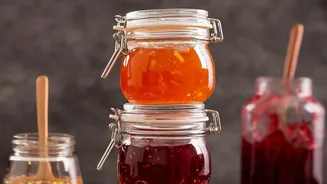
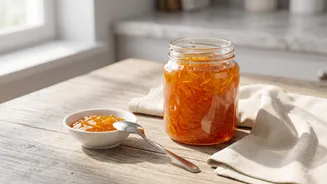
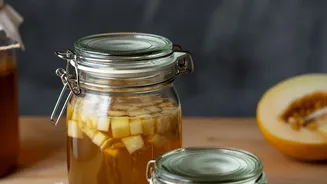
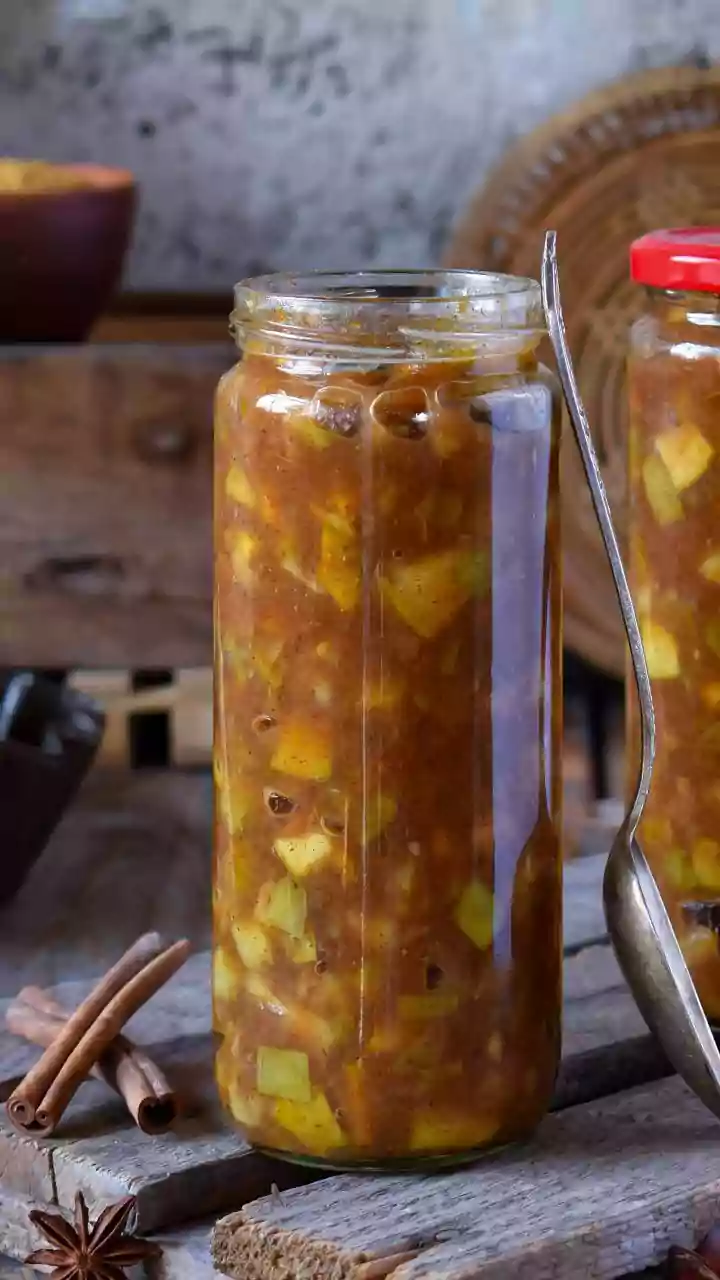
While the marmalade is in its final minutes of boiling, you should ensure your jars are ready. It's crucial to use sterilized jars to prevent bacteria and ensure your preserves last. A simple way to do this is to wash the jars and lids in hot, soapy water, rinse them well, and then place the jars on a baking sheet in an oven set to around 130-140°C for at least 10 minutes. Lids with rubber seals should be boiled separately. Carefully ladle the hot marmalade into the hot, sterilized jars, leaving a small amount of headspace at the top. Wipe any drips from the rims, seal tightly, and let them cool completely on the counter. Once opened, the marmalade should be stored in the refrigerator.
More Than Just Toast Topping
While slathering your homemade marmalade on a warm piece of toast is a classic delight, its uses extend far beyond breakfast. The tangy, sweet, and slightly bitter profile makes it an incredibly versatile ingredient in both sweet and savoury cooking. Use it as a glaze for chicken, pork, or fish, adding a bright, caramelized finish. Whisk it into a vinaigrette for a complex salad dressing, or spoon it over a block of cream cheese to serve with crackers. For bakers, it can be swirled into yogurts, used as a filling for tarts and thumbprint cookies, or even incorporated into marinades to tenderize and flavour meat.