







An Unprecedented Price Surge
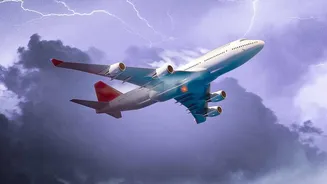
Across India's busiest air corridors, travelers are facing a severe case of sticker shock. Ahead of the Diwali and Chhath Puja festivals, domestic airfares have skyrocketed, with prices on some popular routes jumping by more than 50% compared to last
year. For instance, routes like Delhi-Hyderabad have seen fares climb by as much as 68%, while Mumbai-Kolkata is up 51%. Travelers heading from major cities like Bengaluru and Mumbai to destinations in Bihar and Uttar Pradesh are seeing one-way tickets cross the ₹25,000 mark for pre-Diwali travel. This surge means a round-trip ticket between Delhi and Bengaluru, which might have cost around ₹13,000 two years ago, is now easily topping ₹20,000.
A Perfect Storm for Fares
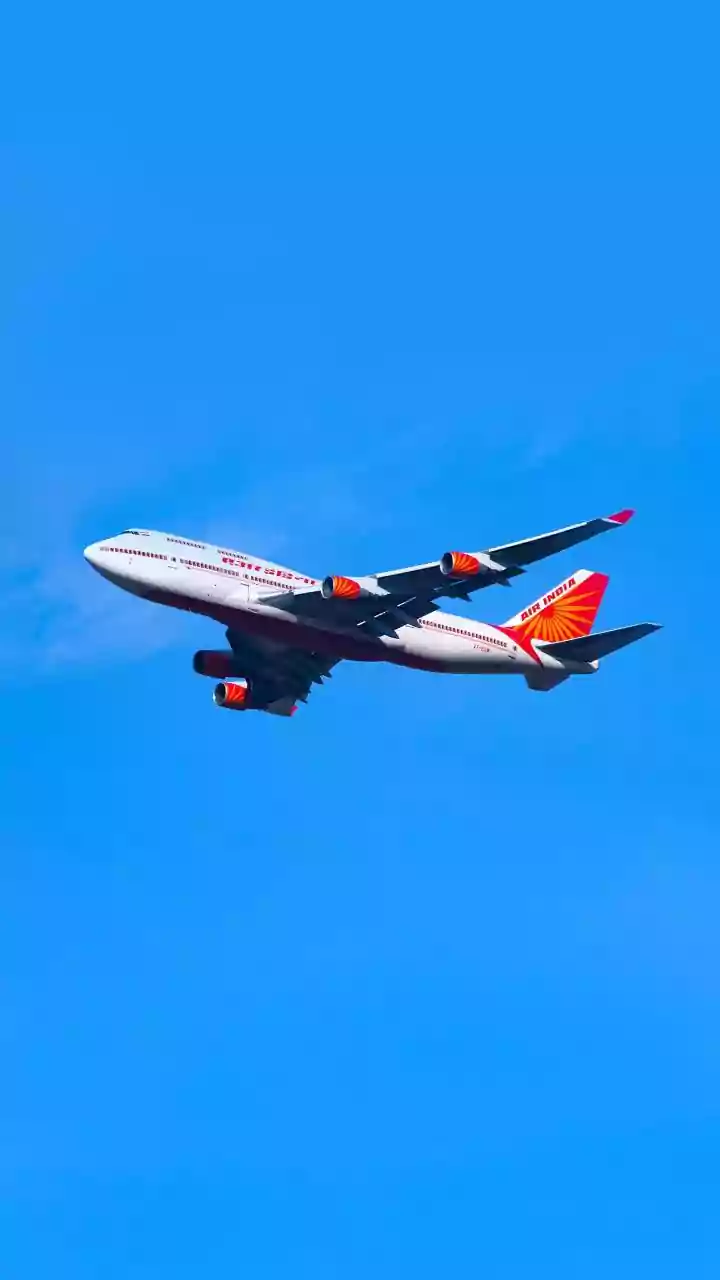
The dramatic rise in ticket prices is not just a simple case of festive demand. It is the result of a 'perfect storm' of economic and operational pressures. A significant factor is the sharp increase in Aviation Turbine Fuel (ATF) prices, which can constitute up to 40% of an airline's operating costs. International volatility has pushed fuel prices to new highs, and airlines are passing this burden on to consumers through fuel surcharges. Compounding the issue is a surprising reduction in capacity. Instead of adding more flights to meet the festive rush, major carriers like IndiGo and Air India have scheduled fewer domestic flights for the October-December quarter compared to last year, citing operational issues and aircraft constraints. With fewer seats available and relentless demand, dynamic pricing models automatically push fares higher.
Why Tradition Outweighs Turbulence
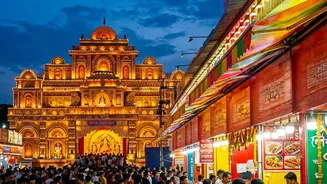
So, if flying home costs a small fortune, why are airports still expected to be packed? The answer lies in the powerful, non-negotiable pull of tradition and family. For millions of Indians, celebrating Diwali at home is an annual ritual that transcends financial calculations. After years of pandemic-related restrictions and isolation, the desire to reconnect with loved ones is stronger than ever. The festive season is not just a holiday; it is a fundamental part of the cultural fabric, and for many, missing it is simply not an option. This sentiment is the primary driver behind what experts call resilient domestic demand, where emotional and cultural priorities are proving to be more powerful than economic deterrents.
Travelers Adapt, But Don't Cancel
While the determination to travel is clear, holiday seekers are not entirely immune to the financial pinch. Many are adapting their plans to manage the costs. According to travel platforms, there is a significant uptick in bookings for trains and buses, as travelers seek more affordable alternatives. Indian Railways, for its part, has announced thousands of special trains to accommodate the festive rush. Among air travelers, booking well in advance has become crucial. Some are shifting travel dates to fly on less popular days, such as on Diwali day itself, which can be significantly cheaper than the days leading up to it. Others are exploring 'drive-to' holidays to nearby destinations, taking advantage of improved highway connectivity. These adjustments show that while the destination remains fixed—home—the journey is becoming a strategic financial decision.
An Unsustainable Trend?
The current scenario raises a critical question for the future of travel in India: is this combination of high fares and high demand sustainable? Industry analysts note that while the market is rebounding, its growth is heavily influenced by these inflated airfares. The government has so far resisted calls to cap fares, preferring to let market forces dictate prices while urging airlines to maintain reasonable tariffs. However, with a near duopoly emerging in the Indian aviation market, concerns about pricing power are growing. For now, the deep-seated need for festive connection is keeping planes full. But as travel budgets get squeezed tighter each year, the tension between what the heart wants and what the wallet can afford will undoubtedly shape the future of holiday travel for millions.