





The Old Cycle of Feast and Famine
For many, the soundtrack of Diwali, Dussehra, and the wedding season is accompanied by the internal monologue of 'I'll start my diet tomorrow.' This all-or-nothing approach paints festive food as the enemy. We feast without thought, consuming countless
mithais and fried snacks, only to follow it with periods of extreme restriction, punishing workouts, or skipping meals entirely. This pattern, often called compensatory or yo-yo dieting, is not just psychologically exhausting; it's also detrimental to our physical health. The belief that we can 'undo' days of indulgence with a few days of harsh dieting is a myth that leaves us feeling frustrated and trapped in a cycle of guilt.
Why Compensatory Dieting Fails
When you drastically cut calories after a period of feasting, your body can enter a state of stress. This can slow down your metabolism as your body tries to conserve energy, making future weight management more difficult. This cycle is linked to a higher risk of regaining weight, often with a higher body fat percentage than before. Furthermore, crash diets can lead to nutrient deficiencies, muscle loss, mood swings, and an unhealthy relationship with food. Experts advise against skipping meals to make up for indulgence, as it often backfires, leading to overeating later and digestive discomfort. The constant fluctuation is hard on the body and can increase the risk for health issues like heart disease and diabetes.
The Shift Towards Everyday Consistency
The new approach to festive eating isn't a diet at all; it's a lifestyle shift rooted in consistency and mindfulness. The goal is not perfection but balance. It acknowledges that what you do year-round matters more than what you do for a few festive days. Instead of forbidding favourite foods, this philosophy encourages enjoying them mindfully and in moderation. Nutritionists are increasingly advocating for this balanced approach, which prevents guilt and supports long-term wellness. The focus shifts from short-term fixes to creating sustainable habits that make navigating social gatherings and celebrations feel natural and stress-free. It’s about returning to your regular, healthy routine the next day, not punishing yourself.
How to Practice Consistency This Festive Season
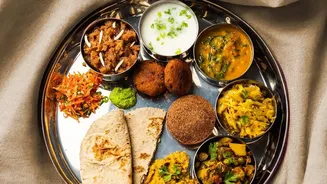
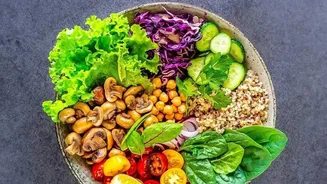
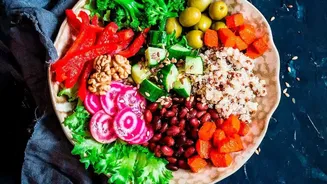
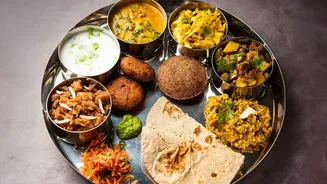
Adopting a consistent approach is about making small, smart choices. A key strategy is to never arrive at a party ravenous; having a small, protein-rich snack beforehand can prevent overeating. When you're at an event, practice mindful portion control. Using a smaller plate can be a helpful visual cue. A balanced festive plate should ideally be half-filled with vegetables or salad, a quarter with protein like dal or paneer, and the final quarter with grains. Prioritising protein and fibre-rich foods first can help you feel full and reduce the desire to overindulge in sweets and fried items. Staying hydrated with water is also crucial, as thirst can often be mistaken for hunger.
Mindful Indulgence, Not Deprivation
This balanced mindset allows you to truly enjoy the special foods that make festivals memorable. The key is to be selective. Instead of trying a bit of everything, choose the treats you truly love and savour them. Eating slowly and paying attention to your body’s fullness signals can help you stop when you are satisfied, not stuffed. Many nutrition experts suggest opting for homemade sweets where possible, as you can control the ingredients. The idea is to give up the all-or-nothing mentality; occasional indulgence is a normal and enjoyable part of celebrations. It’s about making conscious decisions that allow you to partake in the joy without the subsequent guilt.