






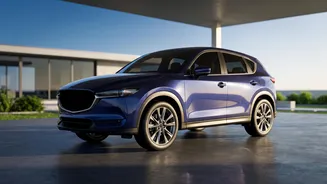
Why Car Prices Are on the Rise
Multiple automakers, including Tata Motors and Hyundai, have confirmed they will increase prices from September 1, 2026. This isn't an isolated event; it follows a trend of steady price revisions throughout the year from major players like Maruti Suzuki
as well. The primary reasons cited are consistent across the industry: rising input and commodity costs, sustained inflationary pressures, and challenging macroeconomic conditions. Automakers state that while they have been absorbing a significant portion of these increased costs, they are now compelled to pass a part of the burden onto customers. For instance, Tata Motors specifically pointed to inflationary pressures for its decision to raise prices by up to ₹25,000 on its passenger vehicles, including both petrol/diesel and electric models. Similarly, Hyundai is implementing a hike of up to 1% for the third time this year, citing similar cost-related pressures.
Which Brands Are Getting More Expensive?
The September price adjustments are not a blanket increase across all models but will vary. Tata Motors has announced a hike of up to ₹25,000 across its entire portfolio, including popular models like the Nexon, Punch, and Harrier, as well as their EV counterparts. The exact amount will differ based on the specific model and variant. Hyundai Motor India will also raise prices by up to 1% across its range, which includes the Creta, Venue, i20, and Exter. For a car priced at ₹10 lakh, this could mean an increase of around ₹10,000. These two follow Maruti Suzuki, which already increased prices on models like the Baleno and Brezza by up to ₹30,000 in August. More manufacturers are expected to follow suit as the festive season approaches.
Strategy 1: Book Before the Deadline
The most straightforward way to avoid the upcoming price hike is to finalize your purchase before September 1. Most dealerships honour the price at the time of booking, even if delivery takes place after the price increase comes into effect. This is often referred to as 'price protection'. By paying the booking amount before the end of August, you can lock in the current, lower ex-showroom price. This strategy is effective if you have already decided on the car and variant you want to buy. Contact your local dealership to confirm their policy on price protection for August bookings, as terms can sometimes vary.
Strategy 2: Hunt for Year-End and Stock-Clearing Discounts
Timing your purchase strategically can lead to significant savings. Dealerships often offer attractive discounts at the end of a month or quarter to meet their sales targets. Furthermore, with new facelifted models or model-year updates on the horizon, dealers may be keen to clear out existing inventory. For example, a facelifted Maruti Suzuki Baleno is expected in early September, which could create discount opportunities on the outgoing version in some dealerships. Don't hesitate to negotiate. Focus on the final on-road price rather than just the ex-showroom cost, as dealers have room to offer deals on insurance, accessories, and handling charges.
Strategy 3: Broaden Your Research
If your preferred model is seeing a significant price jump, it might be the right time to re-evaluate your options. Consider cross-shopping with competitors whose prices might not be increasing as steeply or who may be offering better overall value. Look at different variants within the same model line; sometimes, a lower or mid-tier variant offers most of the essential features at a more palatable price point. It’s also wise to arrange your own financing and insurance. Get pre-approved for a car loan from your bank and compare insurance quotes online. Dealerships often have high markups on these services, and securing them independently can save you a substantial amount, offsetting some of the vehicle's price increase.