







The Global Connection to Your Wallet
Recent geopolitical tensions and supply chain disruptions have kept global crude oil prices volatile, with benchmarks like Brent crude trading near $92 per barrel and West Texas Intermediate (WTI) in the mid-$80s. For India, a country that relies heavily
on imported crude, these international price movements have a direct and significant impact on the domestic economy. When crude oil becomes more expensive, the cost of refining it into petrol, diesel, and Aviation Turbine Fuel (ATF) also rises, a cost that is eventually passed down to the end consumer. This means the price you pay at the petrol pump and for your flight ticket is intrinsically linked to these global events.
Why Your Flight Tickets Are Getting Costlier
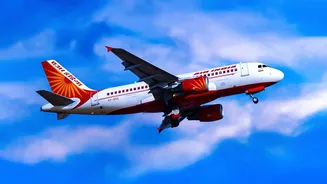
Aviation Turbine Fuel (ATF) is one of the biggest expenses for any airline, often accounting for 30-40% of its total operating costs. In times of high crude prices, this percentage can surge even higher, putting immense financial pressure on carriers. To manage these rising costs, airlines often have little choice but to pass them on to passengers. This is typically done through a direct hike in fares or by introducing or increasing fuel surcharges. For example, Air India has already implemented distance-based fuel surcharges on domestic routes to cope with the pressure. This means a flight from Delhi to Mumbai will see a higher surcharge than a shorter flight from Delhi to Jaipur, making long-distance domestic travel more expensive.
The Squeeze on Airlines and Passengers
The impact of high ATF prices goes beyond just more expensive tickets. Airlines, facing what they term "insurmountable losses," may be forced to rationalise their operations. This can include reducing the frequency of flights on certain routes or temporarily suspending services that are no longer commercially viable. Air India, for instance, has already announced a temporary reduction in some domestic and international services for the period between June and August 2026, citing high fuel prices as a key factor. For passengers, this translates to fewer flight options, potential schedule disruptions, and ultimately, higher prices due to constrained capacity.
Road Trips Feel the Pinch at the Pump
The effect of rising crude oil is perhaps most visible at the petrol pump. As of August 21, 2026, petrol prices have remained high across major Indian cities, costing ₹102.12 per litre in Delhi and ₹111.21 in Mumbai. Diesel prices stood at ₹95.20 and ₹97.83 in the respective cities. These high prices are a combination of the base cost of crude oil and the various central and state taxes, such as excise duty and VAT, that are levied on fuel. Fuel accounts for more than half of the operating cost for commercial transport, and the same logic applies to personal vehicles. A higher fuel price directly increases the cost of any journey, whether it's the daily commute or a long-distance road trip.
Budgeting for Your Next Journey
The tangible impact on your travel budget is significant. Consider a 500-kilometre road trip. A car with an average mileage of 15 km per litre would require approximately 33.3 litres of petrol. An increase of just ₹5 per litre in the price of petrol would raise the total fuel cost for this trip by about ₹167. Over a longer journey, these incremental costs add up substantially. Similarly, for air travel, the addition of fuel surcharges, which can range from ₹299 to ₹899 on domestic flights depending on the distance, will noticeably inflate the final ticket price you pay. This has led many consumers to reconsider non-essential travel to manage their household budgets.