




The Hidden Enemy in Your Pots
Root rot is a common and often fatal condition for container plants. It occurs when soil becomes waterlogged, cutting off the oxygen supply to the roots. This oxygen-deprived environment is the perfect breeding ground for fungi and bacteria that cause
roots to decay. The most frequent cause is simply overwatering—an easy mistake when you're trying to care for your green companions. Signs of trouble include yellowing leaves, wilting despite moist soil, and a generally unhealthy appearance. By the time these symptoms appear, the damage below the surface can be severe. For balcony gardeners, where pots and containers have limited drainage, the risk is even higher.
What Are IoT Soil Moisture Sensors?
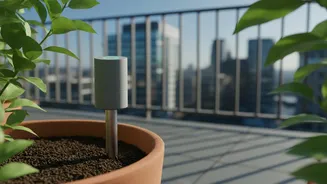
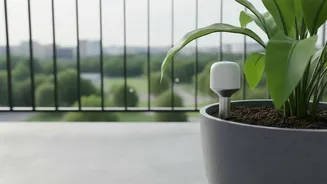
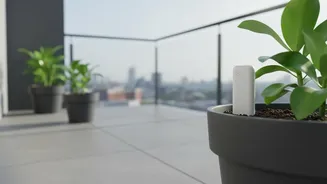
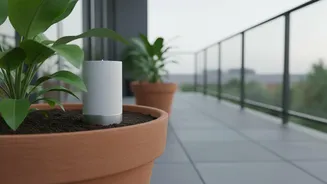
Enter the Internet of Things (IoT). An IoT soil moisture sensor is a small, typically inexpensive device that you insert into the soil of your plant pot. It has a probe that measures the moisture content by gauging the electrical conductivity or capacitance of the soil. As the water content changes, so does the electrical reading. What makes it “smart” is the IoT connectivity. The sensor wirelessly sends this data to an app on your smartphone via Wi-Fi or Bluetooth. This gives you real-time information about what’s happening at the root level, turning your guesswork into data-driven knowledge.
Data-Driven Watering to Beat Root Rot
The primary benefit of these sensors is preventing overwatering, the main cause of root rot. Instead of relying on a fixed schedule or the feel of the topsoil, you water only when the sensor indicates it's necessary. The companion app displays the current moisture level, often on a simple scale from 'dry' to 'wet'. You can receive alerts on your phone when the soil moisture drops below a certain threshold, prompting you to water. This ensures your plants get the hydration they need precisely when they need it, without being drowned. This precise irrigation helps maintain healthy roots that can properly absorb oxygen and nutrients, leading to more robust plant growth.
Choosing Your Smart Garden Helper
The market for these devices is growing, with many affordable options available for home gardeners. When choosing a sensor, consider a few key factors. First, decide between Wi-Fi and Bluetooth. Wi-Fi models connect directly to your home network, allowing you to check on your plants from anywhere. Bluetooth models have a shorter range and require you to be near the plant to sync data. Also, look at the power source and battery life, as some can last over a year on a single battery. Many modern sensors also measure other useful metrics like soil temperature, nutrient levels (EC), and ambient light, giving you a more complete picture of your plant’s environment. Prices vary, but many reliable models are available for a modest investment.
Getting Started Is Simple
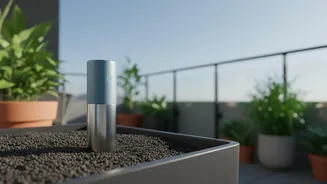
Setting up your first soil sensor is straightforward. The process usually involves inserting the probe into the soil next to your plant, being careful to place it within the root zone for accurate readings. Next, you'll download the device's companion app and follow the instructions to connect the sensor to your phone. Some apps allow you to select the type of plant you are monitoring, providing customised recommendations for ideal moisture levels. Once connected, you can start monitoring the data immediately. It’s a simple setup that removes one of the biggest anxieties of plant care and empowers you to keep your balcony garden thriving.