



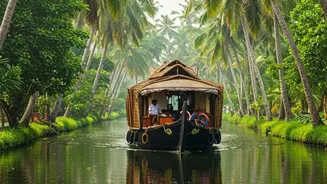

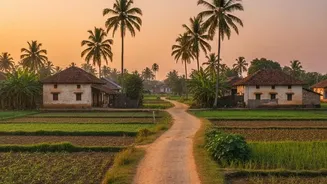
The dream of a forest getaway often involves serene landscapes. But the rise of large, concrete hotels in these fragile areas carries a hidden ecological price. A more harmonious alternative is emerging: community-led eco-stays.
The Heavy Footprint of Concrete Resorts
Large-scale hotels, while
offering luxury, have a significant environmental impact, especially in sensitive ecosystems like forests. The construction process itself can lead to deforestation and land degradation. Once operational, these establishments are resource-intensive. They consume vast amounts of energy for heating, cooling, and lighting, and use significantly more water per guest than local residents—in some cases, up to eight times more. This strains local water supplies and infrastructure. Furthermore, the waste generated, from single-use plastics to food, creates pollution challenges that fragile environments are ill-equipped to handle. Collectively, the hospitality industry is a notable contributor to global carbon emissions, with conventional hotels playing a major part.
A Radically Different, People-Powered Model
In stark contrast, community-led eco-stays operate on a different philosophy. These are typically small-scale accommodations, such as homestays or modest lodges, owned and managed by local residents. Their design often uses locally sourced and sustainable materials like wood, stone, and mud, blending into the landscape rather than dominating it. The core principle is not just to host visitors, but to do so in a way that respects and integrates with the natural and cultural environment. This model decentralises the tourism economy, empowering local people to have control over how tourism develops in their own backyards. It's a shift from tourism that extracts value to one that creates shared, sustainable benefits.
Guardians of the Forest
The key to why this model works so well for conservation lies in a simple economic and social truth: when local communities directly benefit from the health of their environment, they become its most dedicated protectors. Ecotourism provides alternative livelihoods that reduce dependence on unsustainable practices like poaching or logging for income. In Arunachal Pradesh, for instance, former poachers have become guardians of hornbill nests through conservation-based tourism. In this model, a living forest is more valuable than a depleted one. This sense of ownership fosters a powerful incentive for conservation that top-down regulation or corporate social responsibility initiatives from large hotel chains often struggle to replicate.
Success Stories Across India
From the Himalayas to the Western Ghats, examples of this model's success are growing. In states like Kerala and Uttarakhand, community-run homestays and eco-lodges are thriving. In places like Thekkady, resorts work with local communities to source ingredients and conserve resources. In Maharashtra, villages engaged in ecotourism have not only improved ecosystem conservation but also created new income from it. Similarly, village homestays run by the Bishnoi community in Rajasthan help promote conservation awareness among visitors. These initiatives show that it is possible to create authentic travel experiences that directly fund the protection of biodiversity and support the people who live alongside it.
More Than Just a Bed for the Night
The benefits extend beyond ecological preservation. By staying in a community-led eco-stay, travellers contribute directly to the local economy. Money spent on accommodation, food, and guided tours stays within the community, fostering job creation and economic resilience. This prevents 'economic leakage', where profits are channelled away to corporate headquarters outside the region. This model also helps preserve local culture, as communities are empowered to share their traditions and stories with visitors in an authentic way. Travellers, in turn, get a much richer, more immersive experience, connecting with the place on a deeper level. It transforms a simple vacation into a meaningful exchange that supports both people and the planet.