

Why You Should Try Oats Dosa
Traditional dosas, made from fermented rice and lentil batter, are a beloved staple. However, the process can be time-consuming. Oats dosa offers a fantastic shortcut without compromising on taste or texture. Often prepared as an 'instant' dish, it brings
the goodness of oats to your plate in a new and exciting form. Oats are rich in soluble fibres, which are known to help lower cholesterol and stabilise blood sugar levels by slowing glucose absorption. This makes oats dosa not just a convenient meal, but also a nutritious one that can keep you feeling full and energised. It’s a wonderful way to incorporate the health benefits of this super-grain into your diet, especially if you’re looking for a change from your usual bowl of oatmeal.
The Essential Ingredients
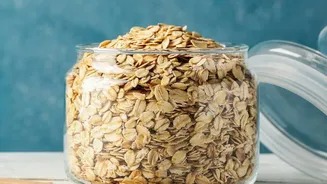
The beauty of this recipe lies in its simplicity and the use of common pantry items. While there are several variations, the core components for a quick, crispy oats dosa are consistent. You will need: 1 cup of rolled or instant oats, ¼ cup of rice flour, and ¼ cup of sooji (semolina/rava). These dry ingredients form the base of your batter. The rice flour provides crispiness, while the sooji adds a delightful texture reminiscent of rava dosa. To bring it all together, you’ll need about ¼ cup of curd (yoghurt) for a slight tang, water to adjust the batter’s consistency, and salt to taste. For added flavour, you can include finely chopped onions, green chillies, grated ginger, and fresh coriander leaves.
Step-by-Step to the Perfect Dosa
Making oats dosa is incredibly straightforward. First, grind the oats into a fine powder using a blender. In a large mixing bowl, combine this oat powder with the rice flour, sooji, and salt. Add the curd and any optional flavourings like chillies, ginger, and coriander. Gradually pour in water while mixing continuously to form a smooth, lump-free batter. The key to a crispy, lacy dosa is a thin, free-flowing batter, similar to the consistency of buttermilk or a thin milkshake. Once mixed, let the batter rest for about 15-20 minutes. This allows the sooji and oats to absorb the liquid and swell slightly, which is crucial for the final texture.
Cooking Tips for a Crispy Finish
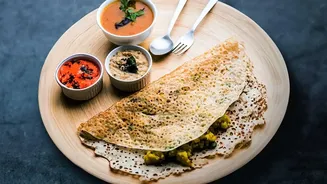
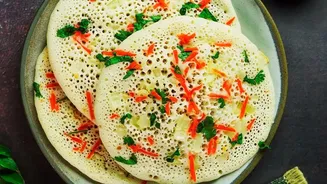
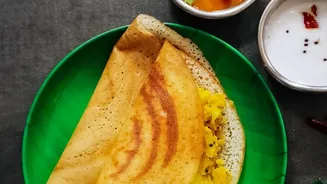
The secret to a perfectly crisp dosa lies in the pan and the technique. Heat a non-stick tawa or a well-seasoned cast-iron skillet over medium-high heat. The pan must be hot enough before you pour the batter. A simple test is to sprinkle a few drops of water; if they sizzle and evaporate immediately, your tawa is ready. Before making each dosa, it's a good practice to lightly grease the pan and then wipe it with a paper towel. Unlike traditional dosas, you don't spread this batter with the back of a ladle. Instead, pour the thin batter from a height, starting from the outer edges and moving towards the centre to create a lacy, net-like pattern. Fill in any large gaps, but avoid pouring batter over the same spot twice. Drizzle a little oil or ghee around the edges and cook on medium heat. This dosa takes a bit longer to cook than a regular one, so be patient. Wait until the top surface looks cooked and the edges start to lift and turn golden brown before flipping or folding.
Serving Suggestions and Variations
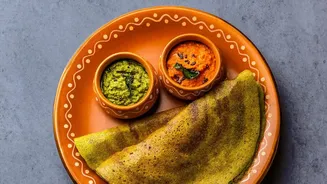
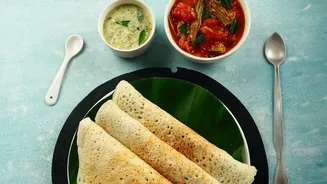
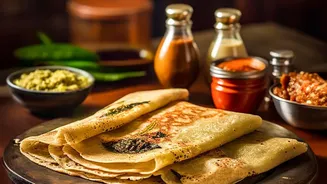
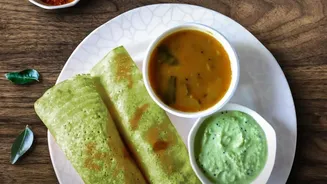
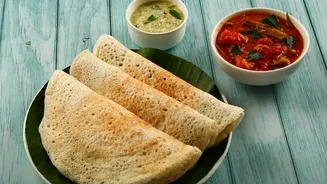
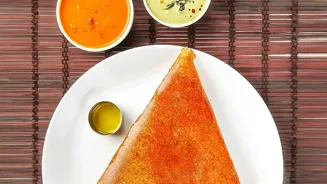
Oats dosa is best served hot, straight off the tawa, to enjoy its maximum crispiness. It pairs beautifully with a variety of classic South Indian accompaniments. Coconut chutney, tomato chutney, or a flavourful sambar are all excellent choices. You can also serve it with podi (gunpowder) mixed with a little ghee or oil. For a more wholesome meal, consider adding finely grated vegetables like carrots, cabbage, or chopped spinach directly into the batter. This not only boosts the nutritional value but also adds colour and flavour. Feel free to experiment with spices like cumin seeds or crushed black pepper in the batter to customise it to your liking.