
More Than Just a Workout
Surya Namaskar translates to 'sun salutation', and it's traditionally performed in the morning to greet the new day and express gratitude to the sun, the source of all life and energy on Earth. This practice is unique because it integrates physical postures
(asanas), controlled breathing (pranayama), and a meditative flow. It’s not just about stretching; it’s a dynamic sequence that warms up the entire body, boosts circulation, and strengthens major muscle groups, making it a complete exercise. When practiced at a quick pace, it offers a great cardiovascular workout, while a slower pace helps tone muscles and increase flexibility.
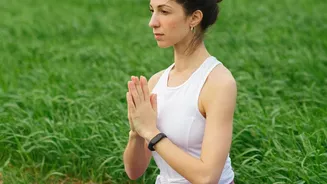
Step 1: Pranamasana (Prayer Pose)
Begin by standing at the front of your mat with your feet together, distributing your weight evenly. As you exhale, bring your palms together in a prayer position at your chest. This initial pose helps to center your mind and ground your body, setting a calm and focused intention for the practice ahead.
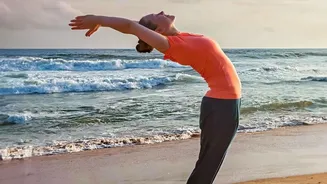
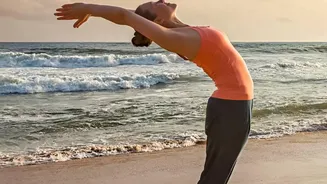
Step 2: Hasta Uttanasana (Raised Arms Pose)
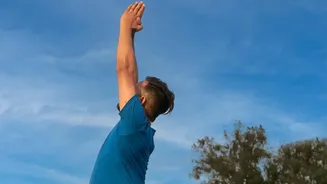
Inhale deeply as you lift your arms up and back, keeping them close to your ears. Gently arch your spine, pushing your hips slightly forward. The goal is to stretch the entire body from your heels to the tips of your fingers. This pose opens the chest and stretches the abdomen.
Step 3: Hastapadasana (Hand to Foot Pose)
Exhale and bend forward from the waist, keeping your spine straight. Bring your hands down to the floor beside your feet. If you're a beginner, it's okay to bend your knees slightly to allow your palms to touch the mat. This pose provides a deep stretch for the hamstrings and spine.
Step 4: Ashwa Sanchalanasana (Equestrian Pose)
Inhaling, push your right leg back as far as you can. Bring your right knee to the floor and look up, lifting your chest. Your left knee should be bent at a 90-degree angle between your hands. This lunge stretches the hip flexors, groin, and leg muscles while strengthening them.
Step 5: Dandasana (Plank Pose)
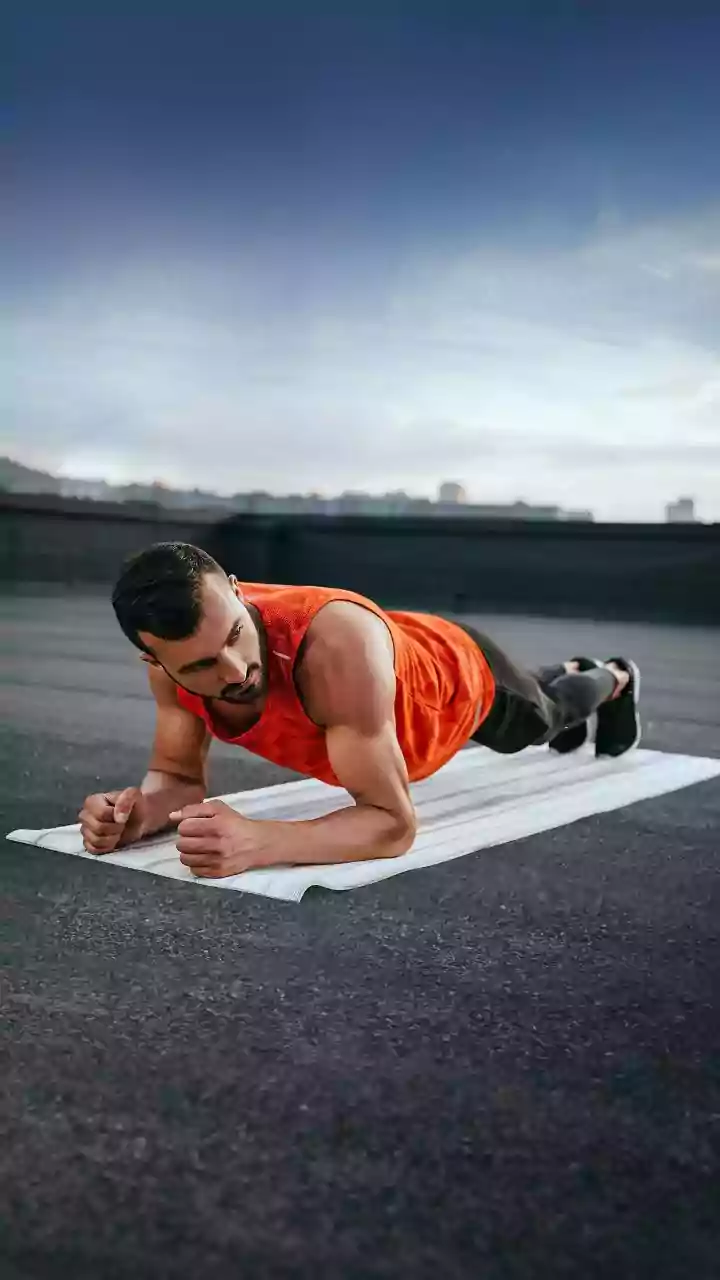
Holding your breath, step your left leg back to align with your right. Your body should form a straight line from your head to your heels, with your arms perpendicular to the floor. Engage your core to support your back. This pose is excellent for building arm, shoulder, and core strength.
Step 6: Ashtanga Namaskara (Eight-Limbed Pose)
Gently exhale as you lower your knees, chest, and chin (or forehead) to the floor. Your hips will remain slightly elevated. This unique posture gets its name from the eight body parts touching the mat: two feet, two knees, two hands, chest, and chin.
Step 7: Bhujangasana (Cobra Pose)
Inhale and slide your body forward, raising your chest into Cobra Pose. Keep your elbows slightly bent and close to your body, with your shoulders relaxed and away from your ears. This backbend strengthens the spine, increases flexibility, and opens the chest and shoulders.
Step 8: Adho Mukha Svanasana (Downward-Facing Dog)
Exhaling, lift your hips and tailbone up towards the ceiling, forming an inverted 'V' shape with your body. Press your heels towards the floor and lengthen your spine. This is a rejuvenating pose that stretches the hamstrings, calves, and shoulders while strengthening the arms and legs.
Step 9: Ashwa Sanchalanasana (Equestrian Pose)
As you inhale, bring your right foot forward between your hands, mirroring Step 4. Lower your left knee to the floor and look up, feeling the stretch in your left hip flexor. This step continues to build balance and flexibility.
Step 10: Hastapadasana (Hand to Foot Pose)
Exhale and bring your left foot forward to meet your right. Fold your torso over your legs, returning to the Hand to Foot Pose from Step 3. Keep your hands on the floor and your spine elongated.
Step 11: Hasta Uttanasana (Raised Arms Pose)
Inhale and slowly roll your spine up. Raise your arms overhead and arch back gently, mirroring Step 2. Feel the full-body stretch as you open your chest to the sky.
Step 12: Pranamasana (Prayer Pose)
Finally, exhale and bring your palms back together at your chest, returning to the starting position. This completes one full round. One set of Surya Namaskar consists of two rounds, leading with the right leg in the first round and the left leg in the second to ensure muscular balance.