
The Backlash Against Imported 'Superfoods'
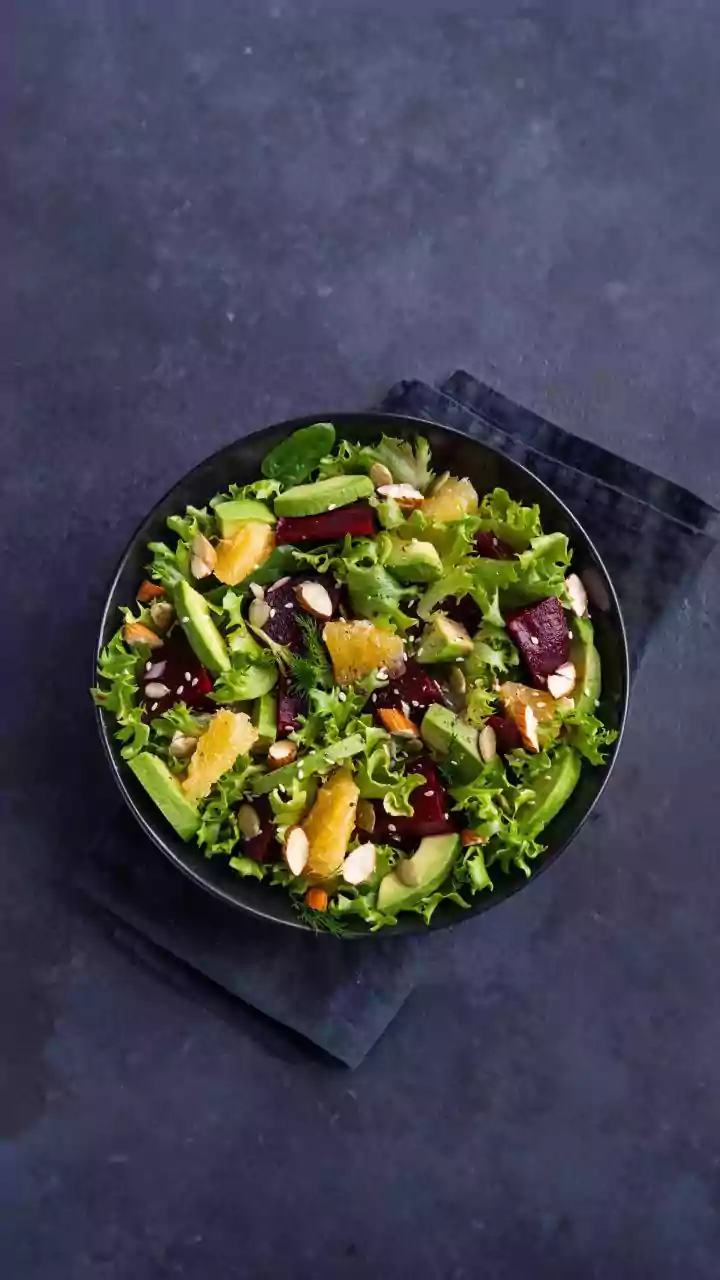
Not long ago, urban grocery carts were often filled with quinoa, kale, and chia seeds—foods marketed as the pinnacle of healthy eating. While these items have nutritional merit, a sense of fatigue has set in. Consumers are questioning the high cost, significant
food miles, and cultural disconnect of relying on imported goods. Experts and home cooks alike are pointing out that India has its own array of powerful 'superfoods' that are more affordable, sustainable, and better suited to local palates. This has sparked a conversation comparing the real-world benefits of a grain like quinoa to native powerhouses like millets (ragi, bajra, jowar) and amaranth (rajgira), with local options often coming out on top in terms of specific nutritional needs, like calcium.
Redefining Health with Traditional Wisdom
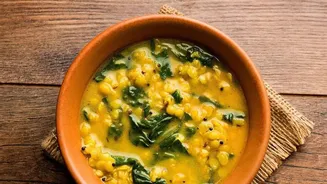
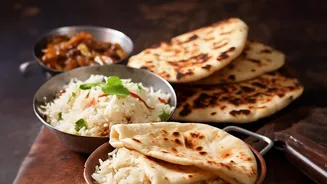
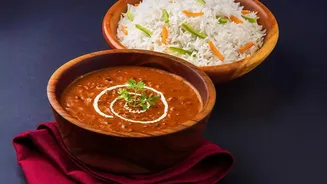
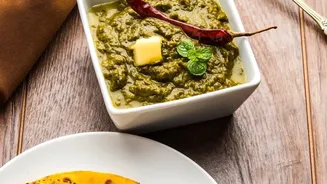
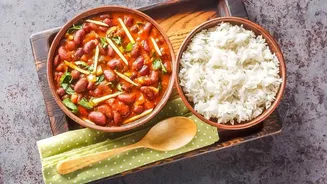
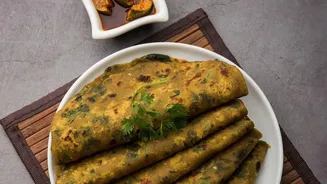
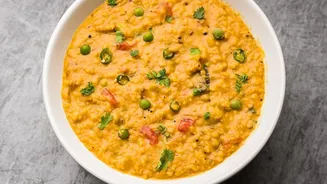
The post-pandemic era has intensified the focus on immunity and holistic health, leading many to reconsider what 'healthy' truly means. Rather than just counting calories, the emphasis is now on nutrient density, gut health, and balanced meals. Nutritionists and dieticians are increasingly championing traditional Indian dietary patterns for this very reason. A typical Indian meal of dal, rice, sabzi, and roti is praised for being a nutritionally complete plate, offering a balanced mix of protein, carbohydrates, fibre, and essential micronutrients from spices like turmeric and ginger. The combination of a grain with a pulse, a cornerstone of Indian cuisine, creates a complete protein profile, making it a scientifically sound approach to plant-based nutrition.
The Enduring Comfort of 'Ghar Ka Khana'
Beyond the nutritional science, the return to simple home food is deeply emotional. For many, 'ghar ka khana' is synonymous with comfort, safety, and the taste of home. In a fast-paced world, the act of cooking and eating simple, familiar meals provides a sense of grounding and connection to one's roots. This trend has been amplified by a growing appreciation for mindful eating and the therapeutic nature of the cooking process itself. It represents a move away from convenience-at-all-costs and towards authenticity and nourishment for both the body and soul. This sentiment is so strong that even a viral video questioning the 'hidden costs' of time and labour in home cooking sparked a wide debate, reinforcing the deep-seated value people place on it.
From Family Kitchens to Social Media Feeds
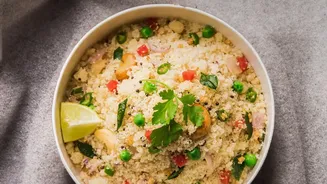
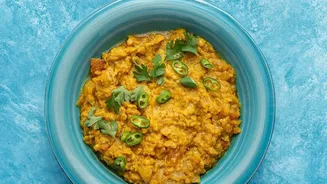
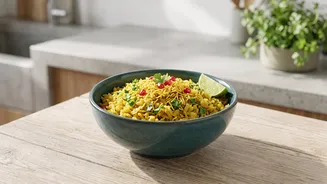
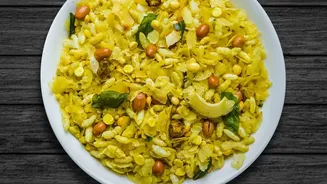
The celebration of simple Indian food is no longer confined to family dining tables. It has found a vibrant new life on social media. Food bloggers and wellness influencers are increasingly showcasing everyday meals like poha, khichdi, and dal-chawal, presenting them not as mundane, but as aspirational and healthy. This digital movement is making traditional food cool again for younger generations, who are discovering the wisdom in their culinary heritage. By styling and photographing these simple dishes beautifully, creators are challenging the notion that only restaurant-style or exotic foods are worthy of attention. They are effectively rebranding 'ghar ka khana' as a smart, conscious, and delicious lifestyle choice.