




Why Mahabaleshwar in the Monsoon?
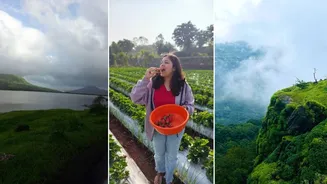
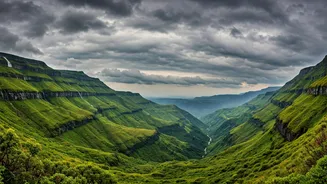
Mahabaleshwar transforms during the monsoon months (June to September). The dry, dusty hills of summer give way to vibrant shades of green. Waterfalls that are mere trickles for most of the year, like the magnificent Lingmala Falls, become powerful cascades.
The air is cool and crisp, and the clouds often descend upon the viewpoints, creating a surreal, foggy atmosphere. While some viewpoints may offer limited visibility due to fog, the experience of being amidst the clouds is an attraction in itself. This season offers a more peaceful and less crowded version of the popular hill station, making it ideal for those seeking tranquility and natural beauty.
Choosing Your Route
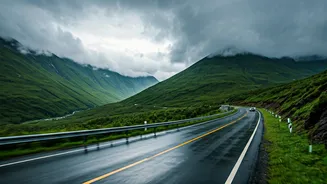
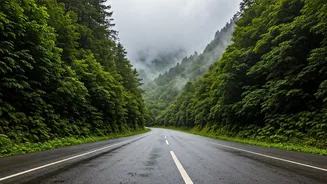
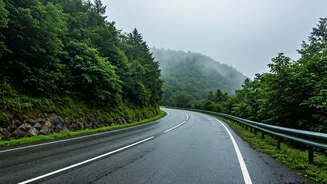
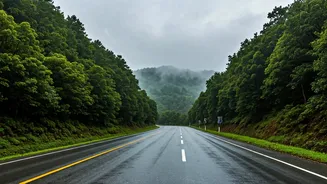
Your starting point largely determines your route. The two primary access cities are Mumbai and Pune.From Pune: The journey is approximately 120 km and takes about 3.5 to 4 hours during the monsoon. The most reliable route is via NH48 towards Satara, turning off at Surur for Wai, and then ascending the ghats through Panchgani. This final leg requires careful driving due to sharp bends and potential fog.From Mumbai: The drive is around 260-290 km and takes 5-7 hours. The most common route is the Mumbai-Pune Expressway (NH48) towards Satara, following a similar path as the Pune route via Wai. An alternative, more scenic monsoon route is via NH66 (Mumbai-Goa highway) to Poladpur, then ascending the Ambenali Ghat. This route is narrower and more challenging but offers stunning landscapes with numerous waterfalls.
Monsoon Driving and Safety
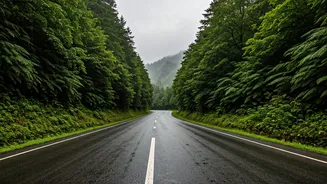
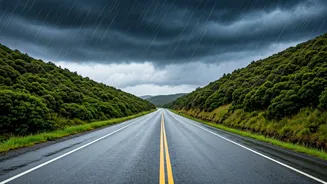
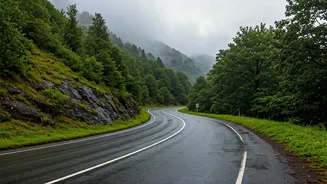
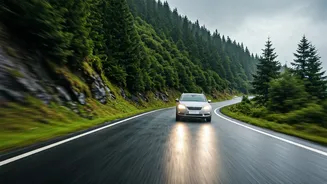
Driving in the ghats during monsoon requires utmost caution. Mahabaleshwar and its surrounding ghats are known to receive extremely heavy rainfall and are prone to landslides. Always check the weather forecast and local advisories before you start.Vehicle Check: Ensure your car's tyres, brakes, wipers, and headlights are in perfect condition.Drive Slowly: Wet roads, sharp bends, and sudden fog patches can drastically reduce visibility and grip. Maintain a slow, steady speed.Be Wary of Landslides: The region has a history of landslides, especially during heavy downpours in July and August. Avoid stopping in areas with loose soil or overhanging rocks. If conditions seem unsafe, it's better to wait or turn back.Daylight Driving: Plan your journey to reach your destination before dark. Navigating unfamiliar ghat roads at night in the rain is hazardous.Keep Essentials Handy: Pack a first-aid kit, a torch, a power bank, and some snacks and water.
Monsoon Must-Visit Spots
While some viewpoints might be shrouded in mist, many of Mahabaleshwar's attractions are at their best during the monsoon.Lingmala Waterfall: This is the star attraction of the season. The Venna River feeds this multi-tiered waterfall, which roars down from a height of about 500 feet. The sight and sound are spectacular.Venna Lake: Boating on Venna Lake during a light drizzle can be a magical experience. While operations might halt during heavy rain, the lake surrounded by green hills is a beautiful sight.Mapro Garden: Famous for its strawberry products, Mapro Garden remains open and is less crowded during the monsoon. It's a great place to enjoy warm snacks and their signature strawberry cream.Viewpoints: Arthur's Seat, Elephant's Head Point, and Wilson Point offer dramatic views of valleys filled with floating clouds. Even if the panoramic vistas are hidden, the misty atmosphere is a unique experience.Krishnabai Temple: This ancient temple, considered the source of the Krishna River, has a unique charm in the monsoon, with water trickling down its stone structure amidst lush surroundings.
What to Pack
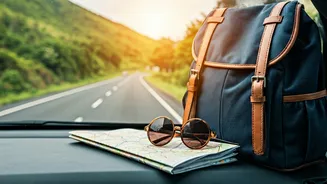
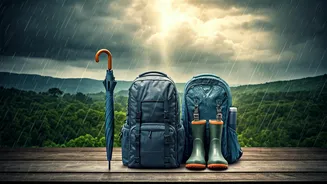
Packing correctly can make your monsoon trip much more comfortable. Include a sturdy umbrella and a reliable raincoat. Waterproof footwear with good grip is non-negotiable for walking on slippery paths. Carry extra pairs of socks and a separate bag for wet clothes. Quick-dry clothing is a practical choice. Since the weather can get chilly, especially in the evenings, packing a light jacket or fleece is advisable. And of course, don't forget your camera to capture the dramatic monsoon landscapes.