







The Scale of the Digital Boom
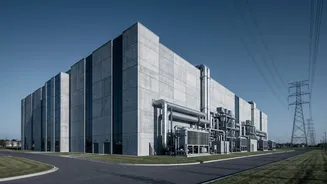
India is in the midst of an unprecedented data centre expansion, solidifying its role as a critical digital infrastructure hub. The country’s data centre capacity, which stood at just 375 MW in 2020, has surged to over 1.5 GW and is on track to reach
2 GW by the end of 2026. Projections suggest this capacity could explode to between 9 and 12 GW by 2030. This growth is fuelled by a perfect storm of factors: the rapid adoption of cloud computing, the rollout of 5G, government data localisation policies, and the explosive demand for Artificial Intelligence (AI), which requires immense computing power. Investment is pouring in, with cumulative commitments since 2021 nearing USD 173 billion, highlighting immense confidence in the sector's future.
The Unseen Environmental Price
This digital revolution comes with a significant environmental cost. Data centres are incredibly power-intensive, consuming 10 to 50 times more electricity per square foot than a typical commercial building. This voracious appetite for energy is a major concern in a country where the power grid, despite a growing share of renewables, still relies heavily on fossil fuels. As a result, the sector’s electricity consumption is projected to leap from less than 1% of India’s total demand today to as much as 7% by 2040. This directly translates to a larger carbon footprint, putting India’s net-zero 2070 target at risk. An average facility can consume as much power as 100,000 homes, turning each new campus into a significant source of energy demand and potential emissions.
More Than Just Carbon
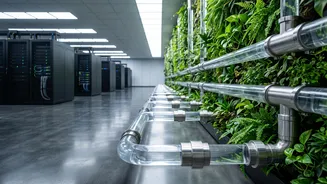
The environmental strain extends beyond just electricity. Cooling the thousands of servers that run 24/7 requires enormous amounts of water. A typical 100 MW hyperscale facility can consume up to 2 million litres of water per day. With total consumption by Indian data centres estimated to hit nearly 360 billion litres by 2030, this places immense pressure on local water resources, particularly in already water-stressed cities like Chennai, Mumbai, and Bengaluru. Furthermore, the constant operation of cooling systems and backup diesel generators creates noise pollution, a growing concern as these industrial facilities are increasingly built closer to residential areas.
The Push for a Green Transition
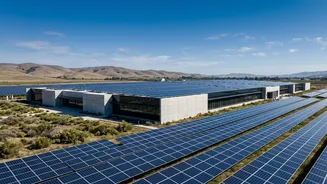
Recognising the challenge, both industry and government are beginning to pivot towards sustainability. The solution isn't to halt growth but to power it cleanly. Many states, including Tamil Nadu, Uttar Pradesh, and Maharashtra, have rolled out policies offering incentives like electricity duty exemptions and streamlined approvals for data centres that use renewable energy. Companies are increasingly signing long-term Power Purchase Agreements (PPAs) to source solar and wind energy directly from developers. Tech giants like Google, Amazon, and Meta are among the largest corporate buyers of renewable power in India. Innovations in cooling, such as liquid immersion cooling, are also being adopted to reduce energy and water use, with some Indian operators achieving better energy efficiency than the global average.
Aligning Growth with Responsibility
The path forward involves a concerted effort to decouple digital growth from environmental harm. While a national data centre policy is still in draft form, its focus on green certifications and incentives is a clear signal of intent. The industry is also exploring group-captive models, where multiple companies jointly invest in renewable energy projects to power their operations. Ultimately, the future competitiveness of India's data centre market will depend not just on attracting investment but on ensuring the underlying energy infrastructure is resilient and sustainable. The challenge is to ensure that every new megawatt of data capacity is matched with a commitment to clean energy, turning a potential climate risk into a powerful driver for India’s green transition.