




The Double Squeeze: Fuel for the Stove and the Nation
The phrase 'rising oil prices' often brings to mind the cost of petrol and diesel, but its impact travels right into the heart of the home: the kitchen. This happens in two significant ways. The first and most direct is the price of Liquefied Petroleum
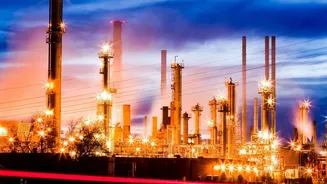
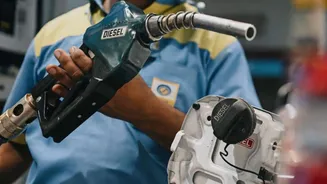
Gas (LPG). As of September 2026, the price for a 14.2 kg domestic LPG cylinder has remained stable for a few months but saw a significant yearly increase. For example, in New Delhi, the price holds around ₹942, but this is after an ₹89 increase over the past year. While the government has often held domestic prices steady to shield consumers, the underlying cost pressures from global energy markets, where crude oil has topped $100 per barrel, are immense. The second, more subtle impact comes from transportation. India imports over 88% of its crude oil, making the economy highly sensitive to global price shocks. When crude oil becomes more expensive, the diesel that powers trucks and trains costs more. This inflates the cost of transporting everything from raw agricultural produce to packaged goods, meaning the price of dals, spices, vegetables, and even the packaging they come in, goes up before they ever reach your local kirana store.
The High Price of Frying
Beyond the gas stove, the very medium of cooking—edible oil—is also feeling the heat. Prices for mustard, soy, palm, and groundnut oil have seen sharp increases. Over the past six months to a year, prices for major edible oils have risen between 7% and 10%. Vegetable oil prices in India have climbed by nearly 20% over the last year. This is partly due to the indirect effect of crude oil prices; higher energy costs raise the expense of processing and transporting vegetable oils. However, the edible oil market has its own complex dynamics. India relies on imports for nearly two-thirds of its demand, making it vulnerable to international factors. Weather concerns in major producing regions like Southeast Asia, global demand for biofuels which use vegetable oils, and shifting import duty structures all play a major role in the price you pay for a litre of cooking oil. With the festive season approaching, when consumption of fried snacks and sweets typically surges, the government is reportedly considering a cut in import duties to help manage the rising costs.
What It Means for Your Thali
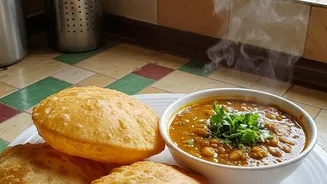
The combination of more expensive cooking gas and pricier ingredients means the real cost of every meal is rising. It's a gradual creep that erodes household budgets. Economists note that this acts like a tax on households, reducing their purchasing power. The impact is not felt evenly; lower and middle-income families, for whom food and energy constitute a larger portion of their monthly spending, are hit the hardest. This financial pressure forces families to make difficult choices. It might mean cutting back on certain vegetables, using oil more sparingly, or reducing the frequency of special or elaborate meals. While consumer spending in India has shown growth, this persistent inflation in essentials could force a shift in spending patterns, with more money allocated to basic needs and less available for discretionary purchases. Even eating out offers no escape, as restaurants facing higher costs for their commercial LPG cylinders pass those expenses on to customers.
Cooking Smarter in Expensive Times
While global economic forces are beyond individual control, Indian households have always been masters of adaptation and ingenuity in the kitchen. The current situation calls for reviving and adopting smarter cooking habits. Using a pressure cooker, for instance, can significantly cut down on LPG consumption compared to open-pot cooking. Planning meals for the week can reduce food waste and allow for more strategic grocery shopping, focusing on seasonal vegetables that are cheaper and require less long-distance transport. Some families may consider switching between different types of edible oils based on current market prices, or adopting cooking methods like steaming and baking that require less oil than deep-frying. Simple techniques, such as soaking legumes overnight to reduce cooking time or ensuring burners are clean for maximum efficiency, can also contribute to small but meaningful savings over time. It is about making conscious choices to stretch every rupee further without compromising on the nourishment and comfort that home-cooked food provides.