

A Green Awakening in the Desert State
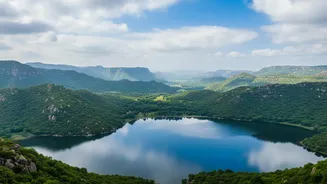
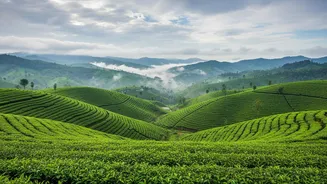
Rajasthan is experiencing a remarkable transformation, and travellers are taking notice. After months of intense summer heat, the annual monsoon rains have washed over the state, turning its famously arid landscapes into a panorama of lush greenery and overflowing
water bodies. This year, travel trends show a distinct pivot towards so-called 'green tourism,' with people specifically planning trips to witness this seasonal spectacle. This shift is reshaping the state's tourism calendar, which traditionally peaked in the cooler, drier winter months. Now, the period from July to September is seeing a significant surge in visitors who are choosing slower, more immersive journeys into Rajasthan's revitalised natural spaces. Improved connectivity via new highways has also made these monsoon getaways more accessible for spontaneous trips.
From Parched Earth to Thriving Oases
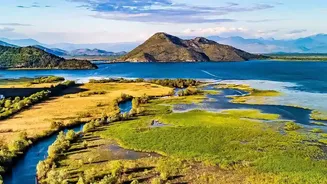
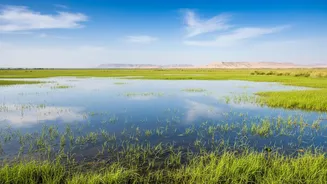
The magic of the monsoon is most evident in the emergence of temporary wetlands, which become hotspots for biodiversity. Keoladeo National Park, a UNESCO World Heritage Site near Bharatpur, is a prime example. During the monsoon, its man-made wetlands are rejuvenated, providing a crucial breeding ground for resident birds like herons, egrets, and storks. The park, which can appear quiet in the summer, comes alive with vibrant flora, active wildlife, and the noisy chatter of new life at its spectacular heronries. Similarly, Sambhar Lake, India's largest inland salt lake, transforms. The rains fill the vast salt pans, attracting birds like coots, sandpipers, and even early flocks of flamingos, offering a different spectacle from the massive winter migration it's famous for. This seasonal abundance of water and life is creating a new category of travel destinations within the state.
The New Wetland Hotspots
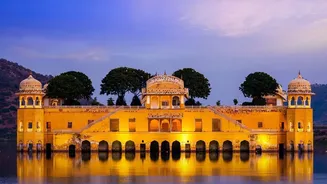
While Udaipur, the 'City of Lakes,' remains a perennial monsoon favorite with its brimming lakes and cloud-kissed palaces, travellers are increasingly venturing beyond the obvious choices. Eco-tourism destinations are gaining significant traction. Sariska and Ranthambore, famed for their tiger reserves, offer a different kind of charm during the rains. While core safari zones are often closed, buffer-zone safaris provide rewarding experiences amidst the verdant landscapes, where wildlife is abundant near replenished water sources. Lesser-known sanctuaries and newly designated Ramsar sites, such as Menar in Udaipur, are also emerging on the eco-tourist's map. Destinations like Jawai, known for its leopard sightings against dramatic granite hills, and the Kumbhalgarh and Ranakpur belt, offer a mix of wildlife and heritage set against stunning green backdrops.
What This Means for Rajasthan Tourism
This monsoon travel surge marks a significant diversification of Rajasthan's tourism portfolio. For decades, the state's identity has been tied to its royal heritage and desert culture. The growing interest in its seasonal ecology provides a powerful new narrative. It offers a solution to the traditional 'off-season' slump, giving a boost to the hospitality industry and creating opportunities for smaller, emerging destinations. This trend also aligns with a broader shift in traveller preferences towards experience-led stays and nature-based tourism. However, this popularity brings challenges. For sensitive ecosystems like Sambhar Lake, a designated wetland of international importance, an influx of unregulated tourism can cause stress. Balancing visitor excitement with conservation is becoming a critical priority to ensure the long-term sustainability of these fragile, temporary paradises.