

The Drivers of a Healthier Habit
This transformation isn't happening by accident. A confluence of factors is nudging consumers towards healthier choices. Increased awareness around lifestyle diseases like diabetes and obesity is a major catalyst, pushing people to scrutinise ingredients
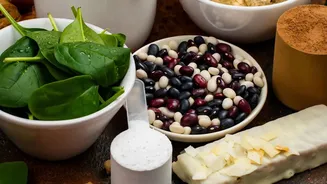
and nutritional labels. Urbanisation and faster-paced lives have also created a demand for convenient, on-the-go snacks that do more than just satisfy a craving; they need to provide functional benefits like sustained energy. Add to this the growing influence of social media, fitness experts, and a general wellness trend, and you have a consumer base actively seeking out snacks with more protein, fibre, and natural ingredients. According to a recent consumer study, a staggering 86% of respondents now consider protein important when choosing a snack.
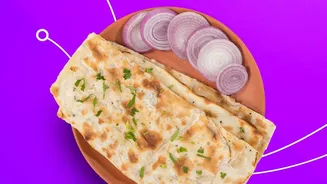
From Samosa to Protein Bar
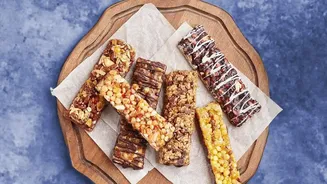
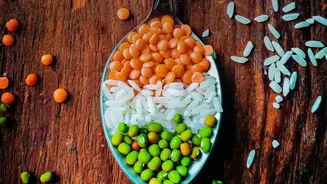
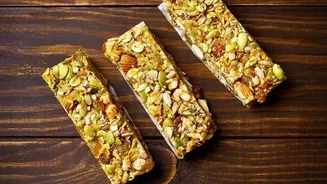
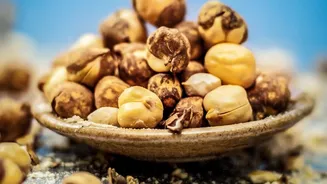
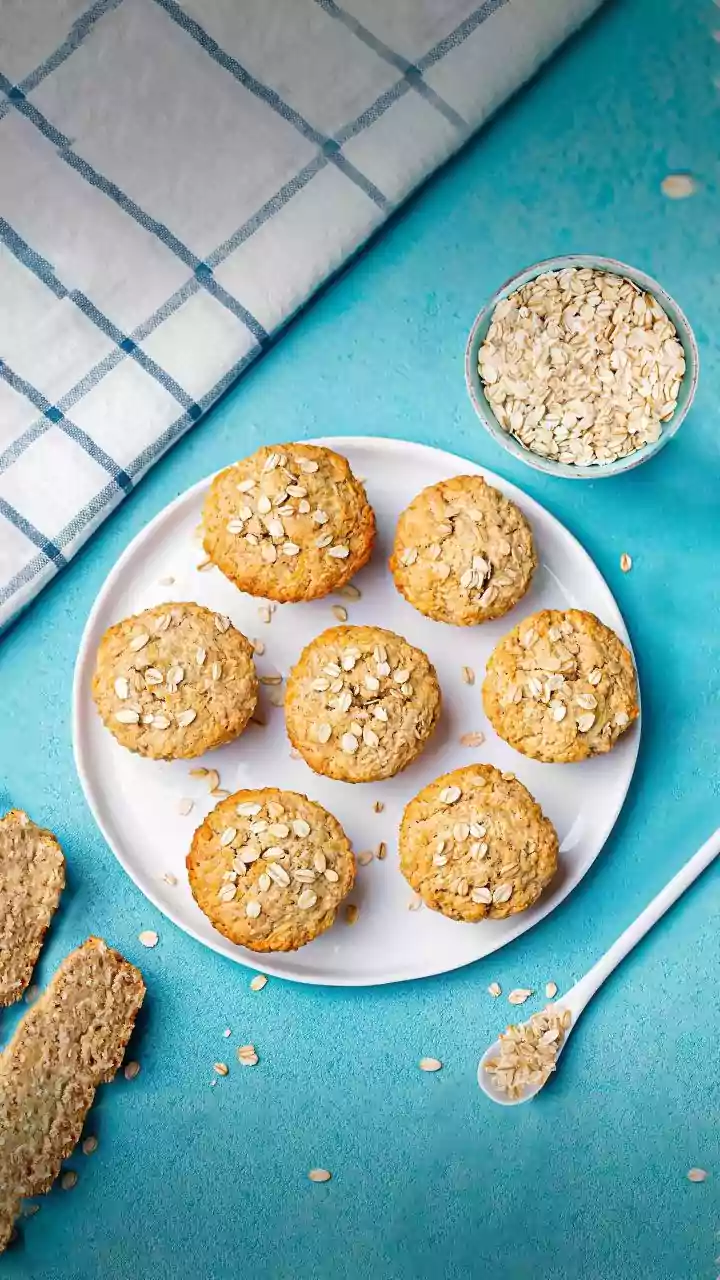
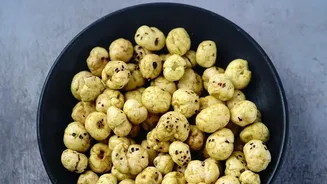
The market is responding with a wave of innovation that is reshaping what a snack can be. While protein bars were once confined to the niche world of gyms and athletes, they are now a mainstream product. But the trend goes far beyond bars. Companies are embedding protein into a vast array of familiar formats. You can now find protein-fortified chips, wafers, biscuits, dosa batter, and even ice cream. Traditional snacks are also getting a modern, healthier makeover. Makhana (fox nuts), once a simple fasting food, is now a booming category, available roasted and in various flavours as a high-fibre alternative to potato chips. Even global giants are reformulating products for the Indian market, such as PepsiCo's protein-enriched Doritos. This signals a clear move to add nutritional value without drastically changing consumer habits.
Startups and Giants Chase the Protein Rupee
The opportunity has not gone unnoticed. The Indian healthy snacks market is projected to grow significantly, with some estimates suggesting it could become an opportunity worth thousands of crores by 2030. This has sparked a gold rush, with both nimble startups and established FMCG behemoths vying for a piece of the pie. Startups like The Whole Truth, Yoga Bar, and SuperYou (co-founded by actor Ranveer Singh) have made a mark with clean-label products and direct-to-consumer strategies. At the same time, legacy players like Amul, ITC, and Parag Milk Foods are aggressively launching their own protein-enriched lines, from high-protein paneer and yoghurt to fortified atta and biscuits. This flood of new products is making protein more accessible and mainstream than ever before.
Beyond the Gym-Goer
Crucially, the target audience for these products has expanded dramatically. A decade ago, protein-rich foods were primarily marketed to bodybuilders and serious athletes. Today, the consumer is just as likely to be a busy working professional, a health-conscious parent packing a tiffin box, or someone simply looking for a guilt-free indulgence. Brands are successfully repositioning protein not as a niche supplement for building muscle, but as an essential component of everyday wellness for the entire family. This shift in marketing, from performance-based to lifestyle-oriented, has been key to unlocking a much larger addressable market.
Challenges on the Road Ahead
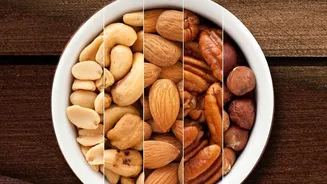
Despite the explosive growth, challenges remain. One of the biggest hurdles is price. Healthy snacks made with premium ingredients like nuts, seeds, and protein isolates are inherently more expensive than their traditional counterparts, which can limit adoption among a price-sensitive population. Taste is another non-negotiable factor in India; a recent survey showed 94% of consumers want nutritious snacks without compromising on flavour. Furthermore, despite the boom in products, a significant portion of the Indian population remains protein-deficient, indicating a persistent gap between product availability and widespread nutritional literacy. The brands that will win in the long run will be those that can successfully balance nutrition, taste, and affordability, effectively convincing a nation of snack lovers to make a permanent, healthier switch.