


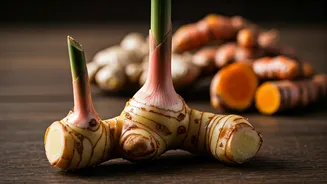


What is Galangal?
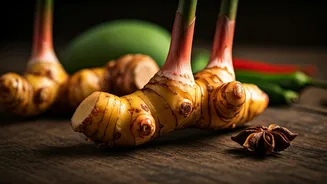
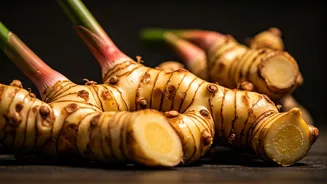
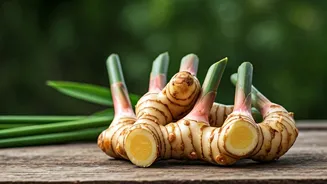
Galangal is a rhizome, or underground stem, from the same family as ginger and turmeric. Often called 'Siamese ginger' or 'Thai ginger', it's a cornerstone of Southeast Asian cooking, especially in Thai, Indonesian, and Malaysian cuisines. While it might
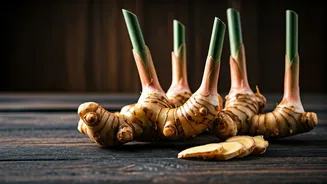
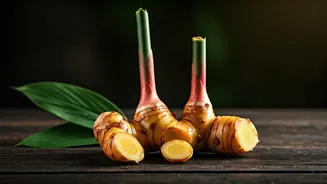
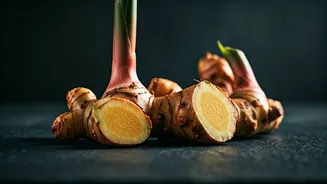
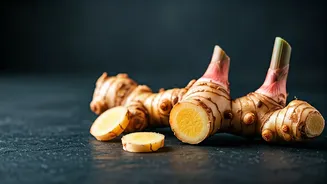
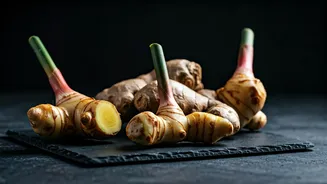
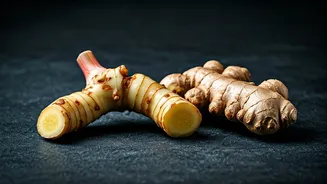
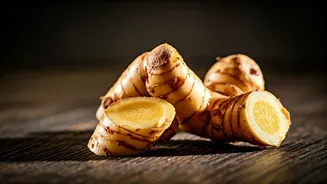
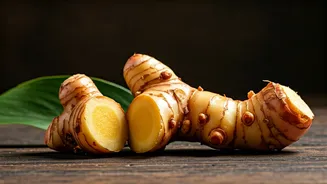
be tempting to see it as just another type of ginger, doing so would be a disservice to its unique character. There are a few varieties, but the one you're most likely to encounter is greater galangal, which is larger and has a milder flavour profile than its 'lesser' counterpart. Visually, fresh galangal is smoother and paler than ginger, with a firm, almost woody flesh that requires a sharp knife to slice.
Ginger's Cousin, Not Its Twin
The most important question for any home cook is: what does it taste like? While ginger offers a pungent, spicy warmth, galangal's profile is entirely different. Imagine a sharp, peppery flavour with distinct citrusy and pine-like notes. Some describe its aroma as earthy and almost floral. This is why you cannot simply substitute one for the other; they play fundamentally different roles. Using galangal where a recipe calls for ginger will result in a more astringent, less sweet dish. Conversely, using ginger in place of galangal means you'll miss out on that signature cooling, refreshing aroma that defines dishes like Thai Tom Kha Gai soup.
The 'Energy' Boost: Flavour and Wellness
The "energy" in the headline isn't just about its vibrant taste. For centuries, galangal has been a staple in traditional Chinese and Ayurvedic medicine. It's packed with antioxidants, particularly a group called polyphenols, which help protect the body's cells. Traditional uses often center on aiding digestion, reducing inflammation, and improving circulation. While modern science is still exploring these benefits, the root has long been appreciated for its perceived ability to soothe coughs and fight infections. Its anti-inflammatory properties have made it a traditional remedy for aches and pains. This combination of a bright, zesty flavour and a history of wellness applications gives galangal a unique kind of vitality.
Bringing Galangal into Your Kitchen
Ready to experiment? Look for fresh galangal at Asian markets or specialty grocers. Choose firm, smooth rhizomes, avoiding any that are soft or shrivelled. If you can't find it fresh, dried slices and powders are also available, though fresh is preferred for its vibrant flavour. To prepare fresh galangal, you don't need to peel its thin skin; simply wash it and slice or grate it. Because of its fibrous, woody texture, it's best to slice it thinly against the grain or pound it into a paste. If you add large slices to a soup or curry for infusion, remember to remove them before serving as they can be tough to chew.
A New Dimension for Your Curry
Incorporating galangal into your next curry is simple. It's a key ingredient in many Thai curry pastes, where it provides a fragrant, peppery base. You can make a simple galangal-forward curry by sautéing thinly sliced galangal with garlic, shallots, and your choice of red curry paste before adding coconut milk. It pairs beautifully with chicken, seafood, and vegetables. A good starting point is to substitute about a third of the ginger in your favourite curry recipe with finely grated galangal. This allows you to experience its unique flavour without it overpowering the dish. As you get more comfortable, you can create a spice paste focused on it, blending it with lemongrass, chillies, and shallots to create a truly aromatic and complex base for your dish.