




The Energy Experience: A Jolt vs. A Hum
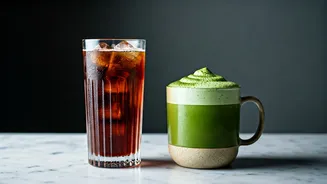
The first thing we seek from a morning drink is energy, and this is where cold brew and matcha differ most profoundly. Cold brew, with its high caffeine concentration, delivers a powerful and immediate jolt. It’s the 'get up and go' fuel for a demanding
day, sharpening your focus within minutes. However, for some, this intense spike can be followed by a jittery feeling and the dreaded afternoon crash. Matcha offers a different kind of energy. While it does contain a significant amount of caffeine, it’s paired with an amino acid called L-theanine. This unique combination is known to promote a state of 'calm alertness.' The caffeine is released into your bloodstream more slowly, providing a sustained energy hum that can last for hours, without the sharp peak and subsequent crash. Instead of a jolt, think of it as a gentle, steady lift that enhances focus while keeping you relaxed.
The Health Halo: Antioxidants vs. Acidity
Both beverages come with their own set of health credentials. Cold brew’s main advantage is its lower acidity compared to hot-brewed coffee. This makes it a gentler option for those with sensitive stomachs, reducing the risk of acid reflux or digestive discomfort.
Matcha, on the other hand, is an antioxidant powerhouse. Because you are consuming the entire ground tea leaf, you get a concentrated dose of catechins, particularly epigallocatechin gallate (EGCG), which has been studied for its potential to boost metabolism and protect against cellular damage. While coffee also contains antioxidants, the concentration and specific types found in high-grade matcha are often lauded in wellness circles as superior. It’s not about one being 'healthy' and the other 'unhealthy,' but rather choosing the benefits that align with your personal wellness goals.
The Morning Ritual: Grab-and-Go vs. Mindful Prep
How you make your morning drink can set the tone for your entire day. Cold brew excels in convenience. You can brew a large batch that lasts the entire week, making your morning routine as simple as opening the fridge and pouring a glass. It’s the perfect beverage for a fast-paced, efficiency-focused lifestyle.
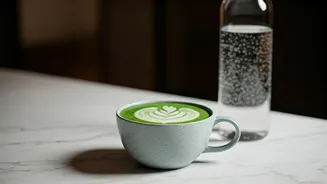
The preparation of matcha is a ritual in itself. The traditional method involves sifting the fine green powder into a bowl, adding hot (not boiling) water, and whisking it with a bamboo whisk, or 'chasen,' until a frothy layer forms on top. This process is inherently mindful. It forces you to slow down for a few minutes, focus on the task at hand, and create something beautiful. For many, this simple act of preparation is a form of meditation that helps ease them into the day with intention and calm.
The Flavour Profile: Smooth vs. Umami
Ultimately, your preference might just come down to taste. Cold brew is beloved for its smooth, rich, and low-bitterness flavour. The cold-water extraction process mutes the acidity and brings out the naturally sweet, chocolatey, and nutty notes of the coffee beans. It’s an easy-to-drink, refreshing beverage that pairs well with milk and sweeteners.
Matcha’s flavour is more complex and can be an acquired taste. A good quality matcha is not bitter; instead, it has a rich, vegetal, and slightly sweet taste with a distinct 'umami' or savoury depth. It’s often described as creamy and grassy. While it can be made into a latte, many purists enjoy it with just water to appreciate its nuanced flavour. If your palate leans towards earthy, green, and complex tastes, matcha might be a delightful discovery.
The Vibe & Cost in India
In the urban Indian landscape, cold brew has cemented its place as a staple in third-wave cafes. It's cool, accessible, and relatively affordable. Matcha is still carving out its niche. It's often positioned as a premium, wellness-focused product, found in high-end cafes and health food stores. Consequently, both a cafe-bought and a home-prepared matcha are typically more expensive than their cold brew counterparts. The 'shift' is not just about taste but also reflects a move towards a more boutique, wellness-conscious consumer identity.